THE ADVENTURE COLLECTIVE® · Independent discovery and booking for outdoor travel

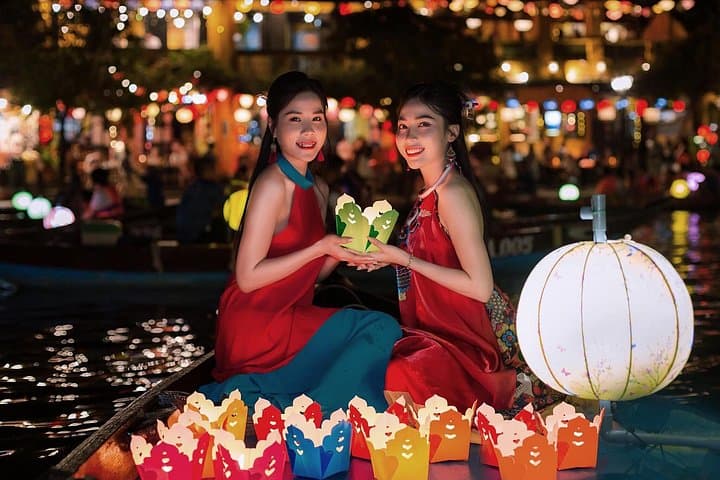
Spend a full day moving from the mossed red towers of My Son to Hoi An’s lantern-lit riverfront. This guided tour mixes Champa history, village cooking, a basket-boat ride, and an evening lantern release on the Hoai River.
Spend a full day moving from the mossed red towers of My Son to Hoi An’s lantern-lit riverfront. This guided tour mixes Champa history, village cooking, a basket-boat ride, and an evening lantern release on the Hoai River.
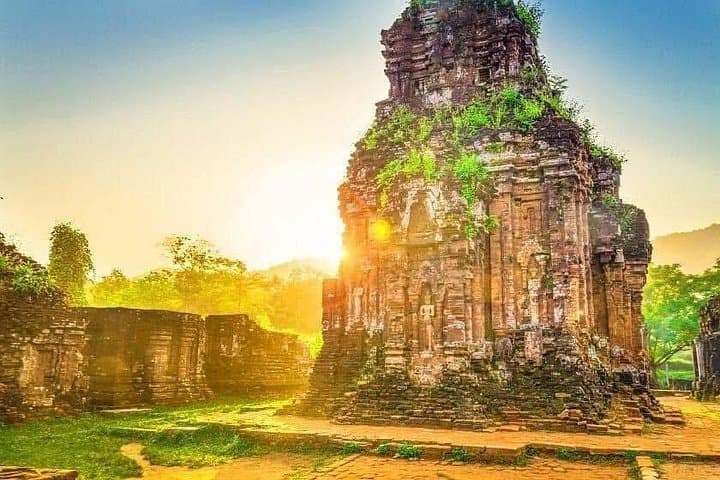
You step off the van into a clearing where cracked red brick towers press up against a humid green shoulder of jungle; moss creeps through carved lintels and cicadas punctuate the hush. Later, the Thu Bon River takes over — a slow, reflective ribbon that carries you back toward lantern-lit alleys and the wooden arc of the Japanese Bridge.
Verified experiences and guided adventures in the surrounding area.
Operated by Vietnam - Danang Package Tours · Hoi An, Quang Nam
You step off the van into a clearing where cracked red brick towers press up against a humid green shoulder of jungle; moss creeps through carved lintels and cicadas punctuate the hush. Later, the Thu Bon River takes over — a slow, reflective ribbon that carries you back toward lantern-lit alleys and the wooden arc of the Japanese Bridge.
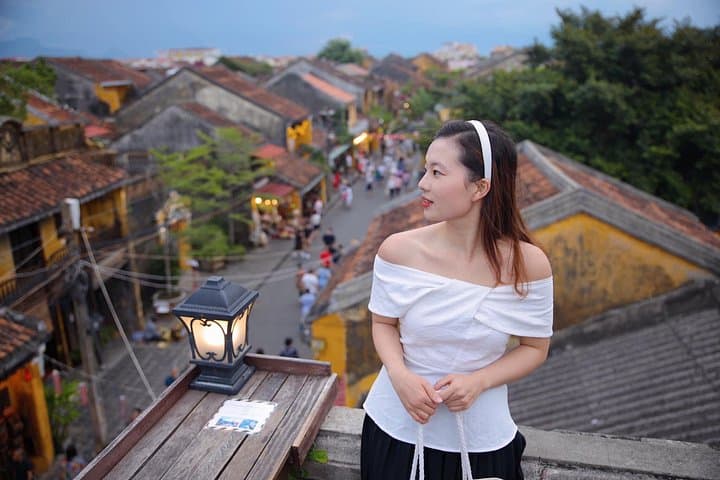
My Son was the heart of the Champa kingdom from the 4th to 13th centuries; its temple clusters were built from sandstone and fired brick and bore Hindu iconography adapted to local beliefs. Geologically the site sits on low, volcanic-era hills that trap humidity and moss, which has softened many of the finer carvings. Hoi An, by contrast, shows layers of trade: Chinese shop-houses, Japanese rooflines, French-era facades, all arranged along a tidal river that once funneled merchants inland.
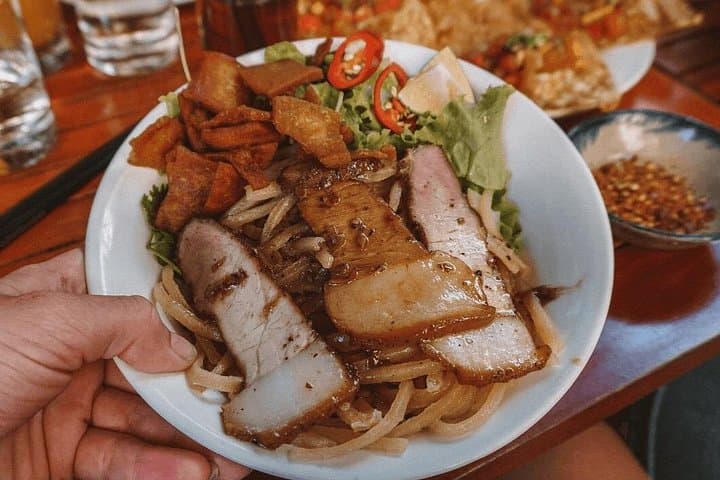
Expect a day that blends archaeology, hands-on craft, and calm waterways. A basket-boat spin in Cam Thanh’s water coconut channels is lively and quick; the afternoon river cruise is restorative and best timed for late-afternoon light. Practical notes: wear grippy walking shoes for uneven temple terraces, carry sunscreen and a hat for open sections, and bring insect repellent for the jungle stretches. Hydrate early — the humidity builds midmorning — and leave room to taste cao lầu and white rose dumplings in Hoi An.
Respect the ruins: do not climb fragile towers, and support local guides who can translate the layers of meaning in carvings and communal life. The tour is an accessible full-day route that rewards steady pacing and curiosity.
This is a full-day (about 8 hours) private tour that typically includes entrance to My Son, a boat cruise, village lunch, local demonstrations, and transfers from Đà Nẵng or Hội An.
Yes; the itinerary is rated easy with short walks, though some uneven ground and short staircases at My Son may be challenging—ask for a gentler pace if needed.
Yes; the operator can accommodate vegetarian and most common food allergies if notified in advance.
Bring a photocopy or photo of your passport for booking and local ticketing; originals are not usually required during the day but keep ID handy for hotel transfers.
Vietnam - Danang Package Tours operates guided outdoor trips and adventures with an emphasis on safety, stewardship, and memorable experiences.
You step off the van into a clearing where cracked red brick towers press up against a humid green shoulder of jungle; moss creeps through carved lintels and cicadas punctuate the hush. Later, the Thu Bon River takes over — a slow, reflective ribbon that carries you back toward lantern-lit alleys and the wooden arc of the Japanese Bridge.
You step off the van into a clearing where cracked red brick towers press up against a humid green shoulder of jungle; moss creeps through carved lintels and cicadas punctuate the hush. Later, the Thu Bon River takes over — a slow, reflective ribbon that carries you back toward lantern-lit alleys and the wooden arc of the Japanese Bridge.
My Son was the heart of the Champa kingdom from the 4th to 13th centuries; its temple clusters were built from sandstone and fired brick and bore Hindu iconography adapted to local beliefs. Geologically the site sits on low, volcanic-era hills that trap humidity and moss, which has softened many of the finer carvings. Hoi An, by contrast, shows layers of trade: Chinese shop-houses, Japanese rooflines, French-era facades, all arranged along a tidal river that once funneled merchants inland.
Expect a day that blends archaeology, hands-on craft, and calm waterways. A basket-boat spin in Cam Thanh’s water coconut channels is lively and quick; the afternoon river cruise is restorative and best timed for late-afternoon light. Practical notes: wear grippy walking shoes for uneven temple terraces, carry sunscreen and a hat for open sections, and bring insect repellent for the jungle stretches. Hydrate early — the humidity builds midmorning — and leave room to taste cao lầu and white rose dumplings in Hoi An.
Respect the ruins: do not climb fragile towers, and support local guides who can translate the layers of meaning in carvings and communal life. The tour is an accessible full-day route that rewards steady pacing and curiosity.