THE ADVENTURE COLLECTIVE® · Independent discovery and booking for outdoor travel

Visit Champa-era temples at My Son before swapping a car for a bicycle to ride Hoi An’s living countryside—rice paddies, herb gardens and coconut creeks. This one-day trip combines archaeological context with hands-on village experiences.
Visit Champa-era temples at My Son before swapping a car for a bicycle to ride Hoi An’s living countryside—rice paddies, herb gardens and coconut creeks. This one-day trip combines archaeological context with hands-on village experiences.
Morning light filters through the low valley as the minivan climbs toward My Son, a cluster of red-brick tower-temples that rise like weathered sentinels from the jungle.
Verified experiences and guided adventures in the surrounding area.
Operated by Da Nang Hoi An Private Tours & Shore Excursion · Hoi An, Quang Nam
Morning light filters through the low valley as the minivan climbs toward My Son, a cluster of red-brick tower-temples that rise like weathered sentinels from the jungle.
Visitors begin with an easy walk around the UNESCO-listed sanctuary, where carved lintels and collapsed sanctuaries tell the story of the Champa kingdom. The river that skirts the valley seems to push visitors toward the ruins, and the surrounding trees press close, muffling the modern world.
After a guided tour that traces the site’s development from the 4th to the 13th century, the day shifts gear: a short drive to Hoi An and bicycles await. The countryside opens into rice paddies, herb gardens and coconut groves. Cyclists can expect roughly 8–12 km of mostly flat roads and compacted dirt, with minimal elevation gain—an accessible ride that places you amid working farms and shrimp ponds.
Cultural notes: Tra Que village still follows traditional organic farming techniques, and Cam Thanh’s woven basket boats reveal centuries-old methods of navigating tidal creeks. Geologically, the area sits on lowland alluvium with rich, irrigated soils that sustain the market gardens; historically, My Son was the religious heart of Champa, constructed without mortar.
Practical guidance: start early to avoid the heat, carry a sun hat and at least 1–2 liters of water, and wear closed-toe shoes for temple paths. Helmets are provided for the ride; expect simple local meals for lunch and opportunities to try farming tasks, a buffalo photo moment and a basket-boat crab catch. Be respectful at sacred sites—no climbing on ruins—and leave no trace in the fragile valley.
The bike portion typically covers about 8–12 km on mostly flat, low-traffic roads and compacted paths—suitable for casual cyclists with basic stamina.
This tour includes entrance tickets to My Son and village sites plus a local restaurant lunch, as noted in the inclusions.
Yes—infants can use strollers and special seats are available; however participants should have moderate mobility for walking at the ruins and getting on/off bicycles.
Expect common lowland species such as waterbirds (egrets, kingfishers) around rice paddies and water buffalo working or resting near fields.
Da Nang Hoi An Private Tours & Shore Excursion operates guided outdoor trips and adventures with an emphasis on safety, stewardship, and memorable experiences.
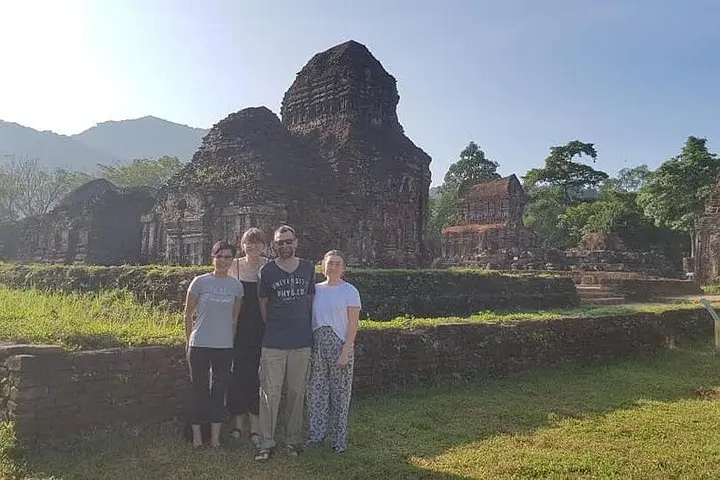
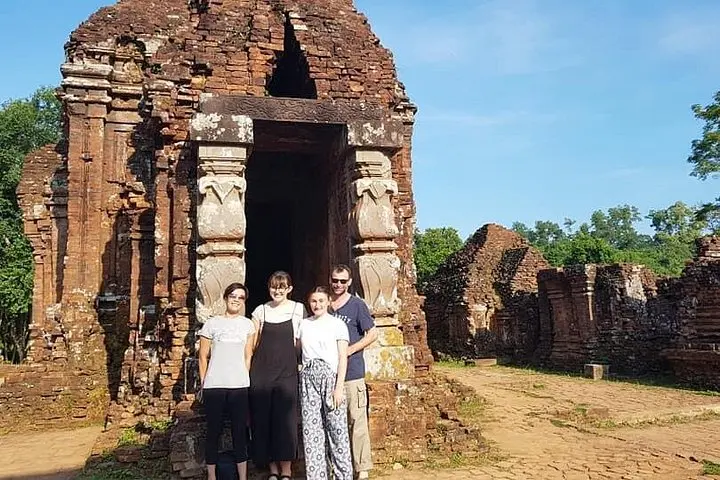
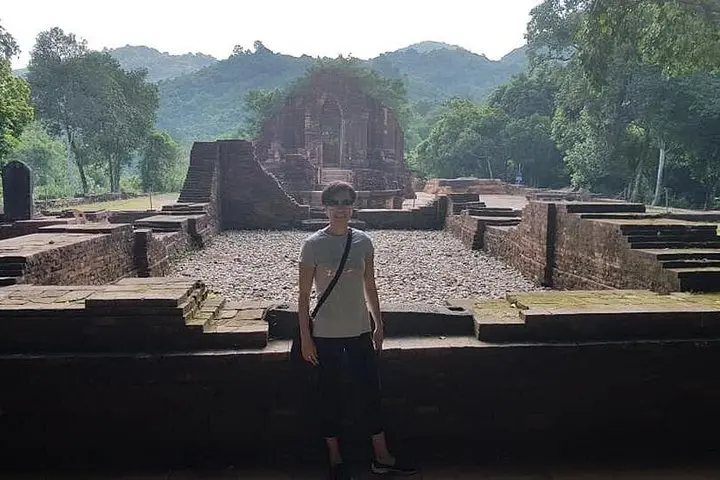
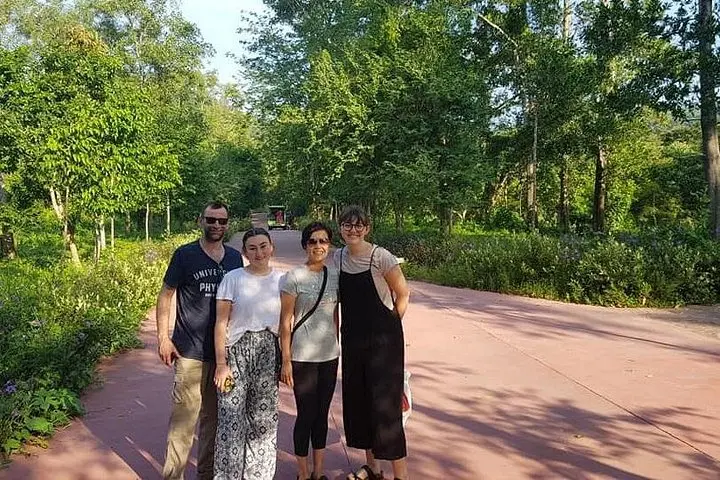
Morning light filters through the low valley as the minivan climbs toward My Son, a cluster of red-brick tower-temples that rise like weathered sentinels from the jungle.
Morning light filters through the low valley as the minivan climbs toward My Son, a cluster of red-brick tower-temples that rise like weathered sentinels from the jungle.
Visitors begin with an easy walk around the UNESCO-listed sanctuary, where carved lintels and collapsed sanctuaries tell the story of the Champa kingdom. The river that skirts the valley seems to push visitors toward the ruins, and the surrounding trees press close, muffling the modern world.
After a guided tour that traces the site’s development from the 4th to the 13th century, the day shifts gear: a short drive to Hoi An and bicycles await. The countryside opens into rice paddies, herb gardens and coconut groves. Cyclists can expect roughly 8–12 km of mostly flat roads and compacted dirt, with minimal elevation gain—an accessible ride that places you amid working farms and shrimp ponds.
Cultural notes: Tra Que village still follows traditional organic farming techniques, and Cam Thanh’s woven basket boats reveal centuries-old methods of navigating tidal creeks. Geologically, the area sits on lowland alluvium with rich, irrigated soils that sustain the market gardens; historically, My Son was the religious heart of Champa, constructed without mortar.
Practical guidance: start early to avoid the heat, carry a sun hat and at least 1–2 liters of water, and wear closed-toe shoes for temple paths. Helmets are provided for the ride; expect simple local meals for lunch and opportunities to try farming tasks, a buffalo photo moment and a basket-boat crab catch. Be respectful at sacred sites—no climbing on ruins—and leave no trace in the fragile valley.