THE ADVENTURE COLLECTIVE® · Independent discovery and booking for outdoor travel

Spend a full day from Hoi An exploring My Son’s Champa temple ruins and the Marble Mountains’ caves and stone-carving villages. This guided tour blends history, geology and hands-on craft with easy walking and local flavors.
Spend a full day from Hoi An exploring My Son’s Champa temple ruins and the Marble Mountains’ caves and stone-carving villages. This guided tour blends history, geology and hands-on craft with easy walking and local flavors.
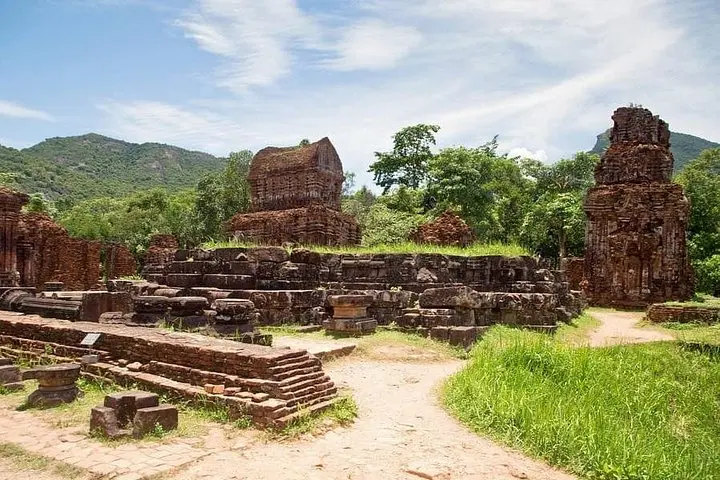
You step off the minivan into a valley where red-brick towers rise like old stories, and later climb limestone steps where sculptors have hacked marble into shape for generations. The day begins with the hush of My Son: temple ruins arranged along a narrow floodplain, flanked by low jungle-clad ridges that once framed the spiritual life of the Champa kingdom.
Verified experiences and guided adventures in the surrounding area.
Operated by Hoi an local tour · Hoi An, Quang Nam Province
You step off the minivan into a valley where red-brick towers rise like old stories, and later climb limestone steps where sculptors have hacked marble into shape for generations. The day begins with the hush of My Son: temple ruins arranged along a narrow floodplain, flanked by low jungle-clad ridges that once framed the spiritual life of the Champa kingdom.
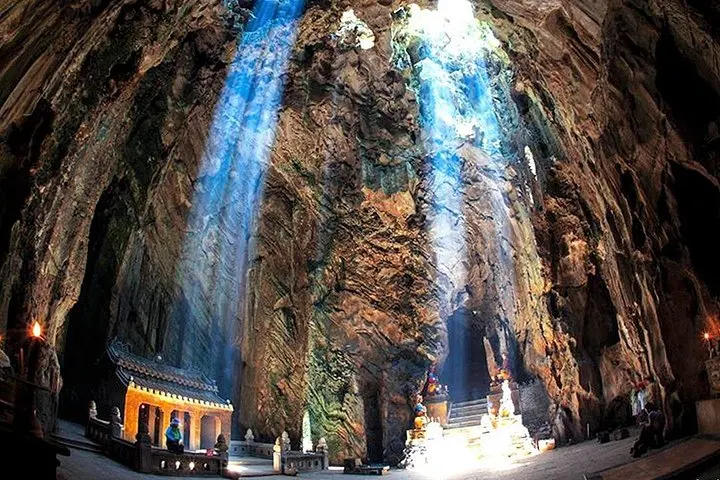
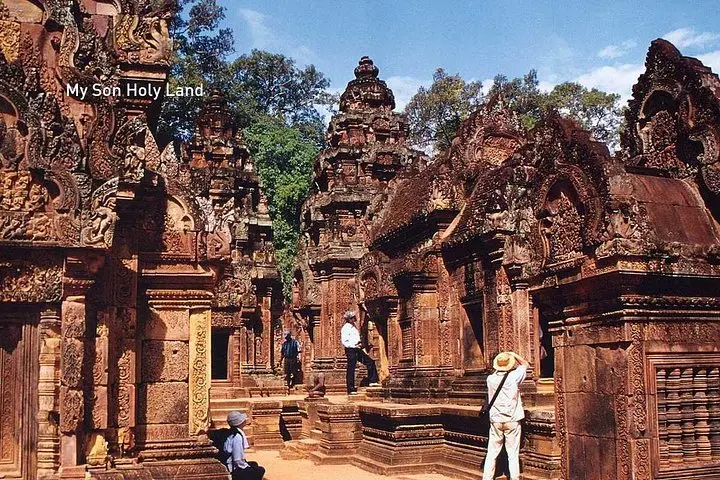
My Son served as a religious and royal necropolis for the Champa from the 4th to 13th centuries; its sandstone and brickwork speak to Indian-influenced Hindu architecture and centuries of repair and decay. Geologically the site sits on alluvial soil between karst ranges — the same tectonic forces that formed the Marble Mountains to the east, where limestone and marble outcrops create caves, shrines, and steep steps. Cultural life threads through both stops: Tra Kieu church on the return road reflects colonial-era shifts, while Dong Hai village near Thuy Son still crates marble into statuary and jewellery for export.
Practically, the tour is a full-day, guided outing with admission, bottled water and a light local lunch included. Expect uneven stonework and stairs at both sites; bring sun protection and comfortable shoes for walking 1–3 miles on uneven terrain. Photography windows are generous but shelter and shade are limited midday. Time your visit for morning light at My Son and late afternoon for softer views at Marble Mountain. Hydrate, wear layers for cool temple shade and humid valley air, and allow time to browse local workshops for handcrafted marble pieces.
Yes — private transportation from Hoi An is included in the day trip.
Admission to My Son and Marble Mountains is included in this tour.
The tour is generally suitable, but it involves uneven terrain and stairs; travelers with mobility issues should take care.
Yes — Dong Hai and Non Nuoc workshops sell locally carved pieces; bring cash for small purchases.
Hoi an local tour operates guided outdoor trips and adventures with an emphasis on safety, stewardship, and memorable experiences.
You step off the minivan into a valley where red-brick towers rise like old stories, and later climb limestone steps where sculptors have hacked marble into shape for generations. The day begins with the hush of My Son: temple ruins arranged along a narrow floodplain, flanked by low jungle-clad ridges that once framed the spiritual life of the Champa kingdom.
You step off the minivan into a valley where red-brick towers rise like old stories, and later climb limestone steps where sculptors have hacked marble into shape for generations. The day begins with the hush of My Son: temple ruins arranged along a narrow floodplain, flanked by low jungle-clad ridges that once framed the spiritual life of the Champa kingdom.
My Son served as a religious and royal necropolis for the Champa from the 4th to 13th centuries; its sandstone and brickwork speak to Indian-influenced Hindu architecture and centuries of repair and decay. Geologically the site sits on alluvial soil between karst ranges — the same tectonic forces that formed the Marble Mountains to the east, where limestone and marble outcrops create caves, shrines, and steep steps. Cultural life threads through both stops: Tra Kieu church on the return road reflects colonial-era shifts, while Dong Hai village near Thuy Son still crates marble into statuary and jewellery for export.
Practically, the tour is a full-day, guided outing with admission, bottled water and a light local lunch included. Expect uneven stonework and stairs at both sites; bring sun protection and comfortable shoes for walking 1–3 miles on uneven terrain. Photography windows are generous but shelter and shade are limited midday. Time your visit for morning light at My Son and late afternoon for softer views at Marble Mountain. Hydrate, wear layers for cool temple shade and humid valley air, and allow time to browse local workshops for handcrafted marble pieces.