THE ADVENTURE COLLECTIVE® · Independent discovery and booking for outdoor travel

Explore the ancient Champa temple cluster of My Son and glide the Thu Bon River on a small-group day tour from Hoi An. Early starts reward photographers, while village stops and a rice-paper demo add cultural context.
Explore the ancient Champa temple cluster of My Son and glide the Thu Bon River on a small-group day tour from Hoi An. Early starts reward photographers, while village stops and a rice-paper demo add cultural context.
Dawn cuts across a narrow valley as you step from the air-conditioned van into the shadow of brick towers—My Son’s red stones warming under the sun while the Thu Bon River waits to carry you back through village life.
Verified experiences and guided adventures in the surrounding area.
Operated by My Son Tour · Duy Xuyen, Quang Nam
Dawn cuts across a narrow valley as you step from the air-conditioned van into the shadow of brick towers—My Son’s red stones warming under the sun while the Thu Bon River waits to carry you back through village life.
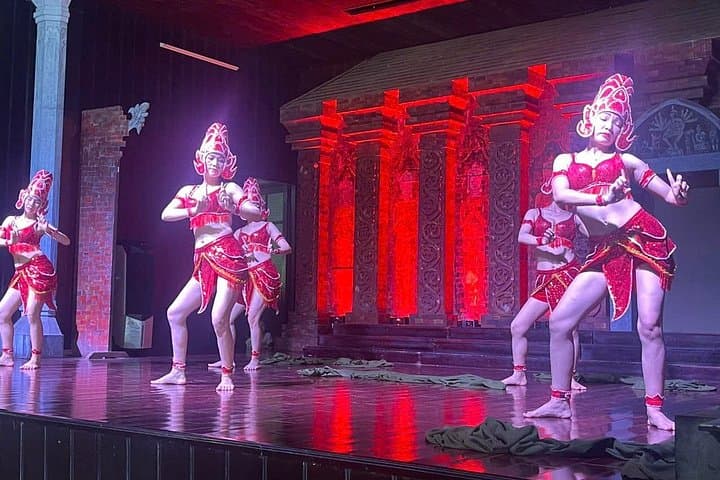
The temples at My Son were raised by the Champa between the 4th and 13th centuries; their sandstone and fired-brick towers once held Hindu shrines and now stand as weathered record-keepers of Central Vietnam’s past. Geologically the site sits in a fertile, river-cut basin where lateritic soils and alluvial deposits supported rice communities that sustained the kingdom. Cultural notes arrive as quickly as the guide’s stories: Champa art, local rice-paper craft demonstrations, and a short Champa dance in the visitor area that animate lives tied to these ruins.
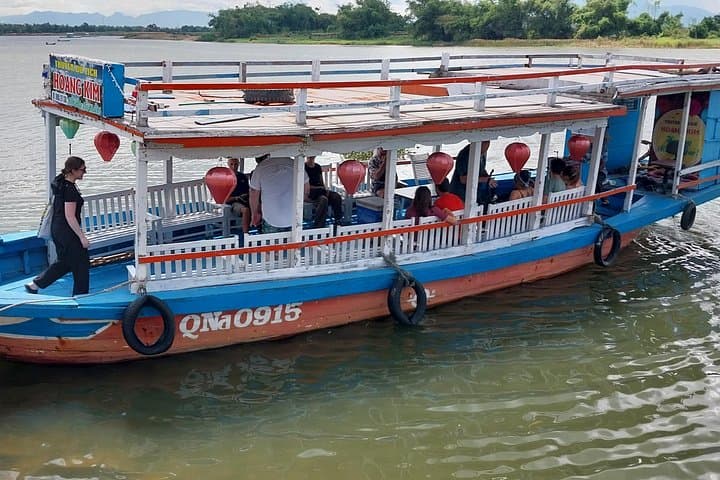
After the temple circuit a boat on the Thu Bon slides you past palm-thatched houses and morning fishermen—water that seems to nudge you along, shaping the tempo of local life. Birds and occasional muntjac appear in the scrub near the valley rim; bats roost in deeper ruins.
Practical guidance: arrive early if you can to avoid heat and crowds, carry VND for the site fee (150,000 VND typically), wear closed-toe shoes for uneven ground, and shade up—sun and sudden showers are both part of the day. The small-group format (max ~12–13) keeps the experience intimate and photography-friendly, while the included rice-paper demo and noodle breakfast add cultural context. Expect a full, 6–7 hour outing that mixes archaeology, riverside scenery, and hands-on village stops.
No—participants are usually asked to pay the My Son entrance fee (about 150,000 VND) in cash at the site; confirm details with the operator before departure.
Pickup from Hoi An hotels is included; pickup from Da Nang may be available with an earlier start—confirm your pickup point and time when booking.
Yes—the trip is rated easy and suitable for all fitness levels; infants must sit on an adult’s lap and strollers are usable for short transfers.
Photography is permitted in most outdoor areas; respect any restricted zones and avoid using flash on fragile structures or during cultural performances.
My Son Tour operates guided outdoor trips and adventures with an emphasis on safety, stewardship, and memorable experiences.


Dawn cuts across a narrow valley as you step from the air-conditioned van into the shadow of brick towers—My Son’s red stones warming under the sun while the Thu Bon River waits to carry you back through village life.
Dawn cuts across a narrow valley as you step from the air-conditioned van into the shadow of brick towers—My Son’s red stones warming under the sun while the Thu Bon River waits to carry you back through village life.
The temples at My Son were raised by the Champa between the 4th and 13th centuries; their sandstone and fired-brick towers once held Hindu shrines and now stand as weathered record-keepers of Central Vietnam’s past. Geologically the site sits in a fertile, river-cut basin where lateritic soils and alluvial deposits supported rice communities that sustained the kingdom. Cultural notes arrive as quickly as the guide’s stories: Champa art, local rice-paper craft demonstrations, and a short Champa dance in the visitor area that animate lives tied to these ruins.
After the temple circuit a boat on the Thu Bon slides you past palm-thatched houses and morning fishermen—water that seems to nudge you along, shaping the tempo of local life. Birds and occasional muntjac appear in the scrub near the valley rim; bats roost in deeper ruins.
Practical guidance: arrive early if you can to avoid heat and crowds, carry VND for the site fee (150,000 VND typically), wear closed-toe shoes for uneven ground, and shade up—sun and sudden showers are both part of the day. The small-group format (max ~12–13) keeps the experience intimate and photography-friendly, while the included rice-paper demo and noodle breakfast add cultural context. Expect a full, 6–7 hour outing that mixes archaeology, riverside scenery, and hands-on village stops.