THE ADVENTURE COLLECTIVE® · Independent discovery and booking for outdoor travel

Watch sunrise lift mist from the brick towers of My Son, then stroll Hoi An’s historic streets on a private morning tour. This early start gives you softer light, fewer crowds, and a focused look at Champa history before the town wakes.
Watch sunrise lift mist from the brick towers of My Son, then stroll Hoi An’s historic streets on a private morning tour. This early start gives you softer light, fewer crowds, and a focused look at Champa history before the town wakes.
Before dawn the valley exhales mist and the red laterite towers of My Son emerge like carved silhouettes against a pale sky. The tour moves quietly—electric carts across soft paths, then a short walk into a clutch of Cham towers where the first light loosens shadows from bas‑relief deities and worn brickwork.
Verified experiences and guided adventures in the surrounding area.
Operated by My Son Tours · Hoi An, Quang Nam
Before dawn the valley exhales mist and the red laterite towers of My Son emerge like carved silhouettes against a pale sky. The tour moves quietly—electric carts across soft paths, then a short walk into a clutch of Cham towers where the first light loosens shadows from bas‑relief deities and worn brickwork.
My Son is a cluster of Hindu temple-ruins built by the Champa kingdom between the 4th and 13th centuries. Geologically the site sits in a low limestone valley hemmed by jungle and lateritic soil that preserved the brick structures but also hid them until archaeologists began careful restoration. Hoi An, by contrast, is a riverside trading town whose wooden houses and covered Japanese bridge reflect centuries of maritime exchange with Chinese, Japanese and European merchants.
Your guide will bridge archaeology and living culture—explaining brick‑laying techniques without mortar, pointing out bas‑reliefs, then steering you into Hoi An’s lantern-lit lanes where tailors and tea shops open as the town wakes. The morning timing means softer light for photos and cooler walking temperatures.
Practical notes: expect uneven paths and short uphill sections; wear grippy shoes and bring a light rain shell in the wet season. Bring small bills for local noodle stops and souvenirs. Pickup is early (around 5:15), so plan breakfast and sleep accordingly. Hydrate before you arrive—water is provided, but the climb between viewpoints will make you notice the valley’s humidity. This private tour balances history, geology and culture into a compact, accessible morning excursion.
Pickup typically begins around 5:15 AM from hotels in Hoi An or Da Nang; confirm your exact pickup point when booking.
Yes—the tour includes admission to My Son Sanctuary and Hoi An City attractions as listed in the inclusions.
Short walks from drop-off points are manageable for families, but some paths and temple steps are uneven; infant seats and strollers are noted as usable in transport but terrain at sites may limit stroller use.
Dry season (February to April) offers cooler mornings and clearer skies for sunrise photography; morning visits are advantageous any season to avoid midday heat.
My Son Tours operates guided outdoor trips and adventures with an emphasis on safety, stewardship, and memorable experiences.
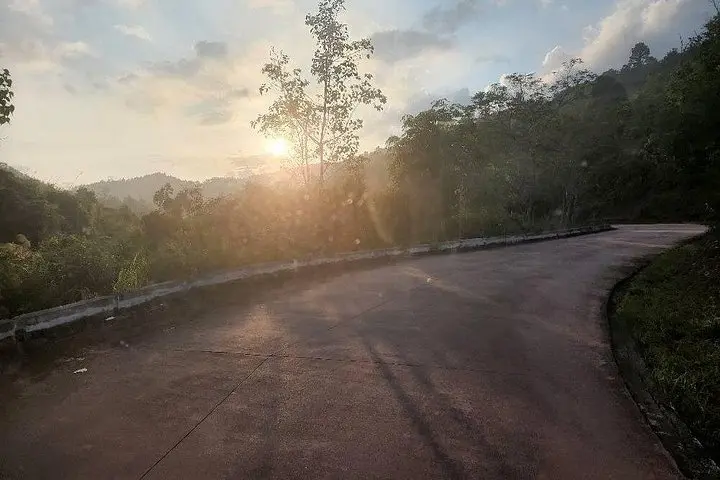
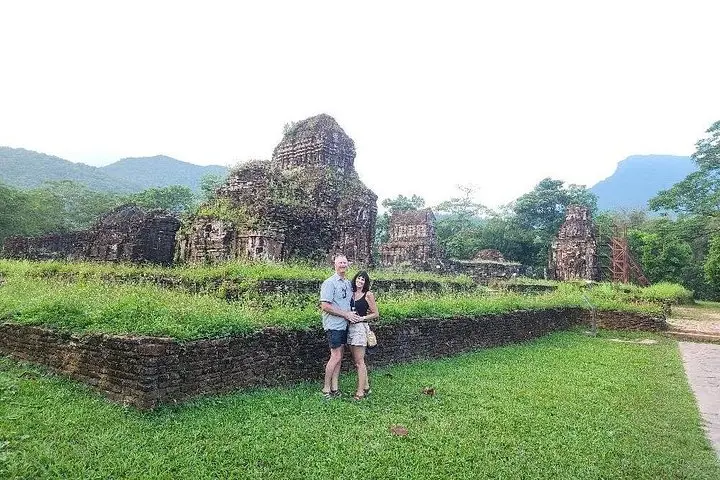
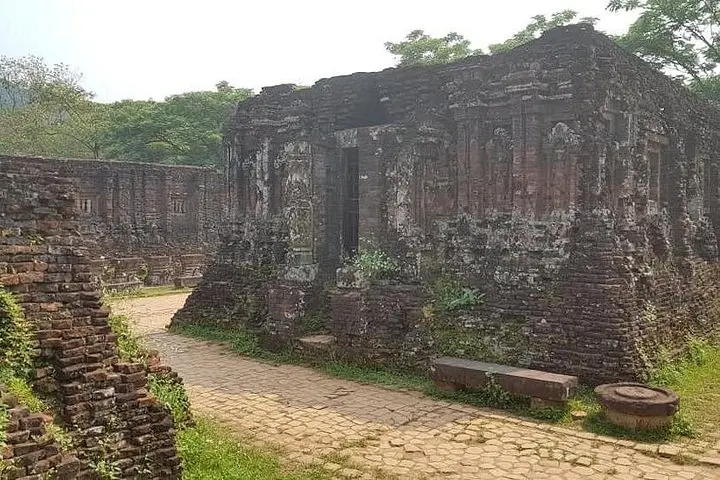
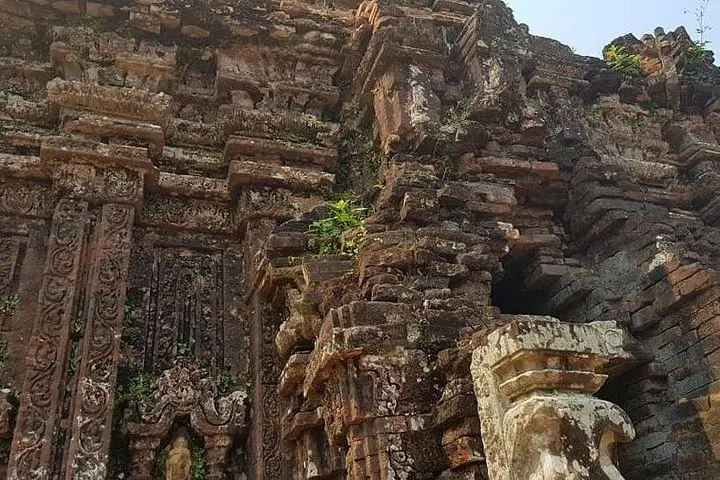
Before dawn the valley exhales mist and the red laterite towers of My Son emerge like carved silhouettes against a pale sky. The tour moves quietly—electric carts across soft paths, then a short walk into a clutch of Cham towers where the first light loosens shadows from bas‑relief deities and worn brickwork.
Before dawn the valley exhales mist and the red laterite towers of My Son emerge like carved silhouettes against a pale sky. The tour moves quietly—electric carts across soft paths, then a short walk into a clutch of Cham towers where the first light loosens shadows from bas‑relief deities and worn brickwork.
My Son is a cluster of Hindu temple-ruins built by the Champa kingdom between the 4th and 13th centuries. Geologically the site sits in a low limestone valley hemmed by jungle and lateritic soil that preserved the brick structures but also hid them until archaeologists began careful restoration. Hoi An, by contrast, is a riverside trading town whose wooden houses and covered Japanese bridge reflect centuries of maritime exchange with Chinese, Japanese and European merchants.
Your guide will bridge archaeology and living culture—explaining brick‑laying techniques without mortar, pointing out bas‑reliefs, then steering you into Hoi An’s lantern-lit lanes where tailors and tea shops open as the town wakes. The morning timing means softer light for photos and cooler walking temperatures.
Practical notes: expect uneven paths and short uphill sections; wear grippy shoes and bring a light rain shell in the wet season. Bring small bills for local noodle stops and souvenirs. Pickup is early (around 5:15), so plan breakfast and sleep accordingly. Hydrate before you arrive—water is provided, but the climb between viewpoints will make you notice the valley’s humidity. This private tour balances history, geology and culture into a compact, accessible morning excursion.