THE ADVENTURE COLLECTIVE® · Independent discovery and booking for outdoor travel

Walk through the Lion Gate and along Cyclopean walls on a five-hour excursion from Athens that pairs the dramatic Corinth Canal with the citadel of Mycenae. Perfect for history lovers who want a concentrated dose of Bronze Age Greece with practical touring tips.
Walk through the Lion Gate and along Cyclopean walls on a five-hour excursion from Athens that pairs the dramatic Corinth Canal with the citadel of Mycenae. Perfect for history lovers who want a concentrated dose of Bronze Age Greece with practical touring tips.
A hired minivan slides out of Athens as morning light skims the Argolid; the road opens, and the Corinth Canal appears like a precise incision in the landscape, daring ships to thread a shortcut once dreamed of in antiquity.
Verified experiences and guided adventures in the surrounding area.
Operated by Yomadic.Tours & Transfers · Mycenae, Peloponnese
A hired minivan slides out of Athens as morning light skims the Argolid; the road opens, and the Corinth Canal appears like a precise incision in the landscape, daring ships to thread a shortcut once dreamed of in antiquity.
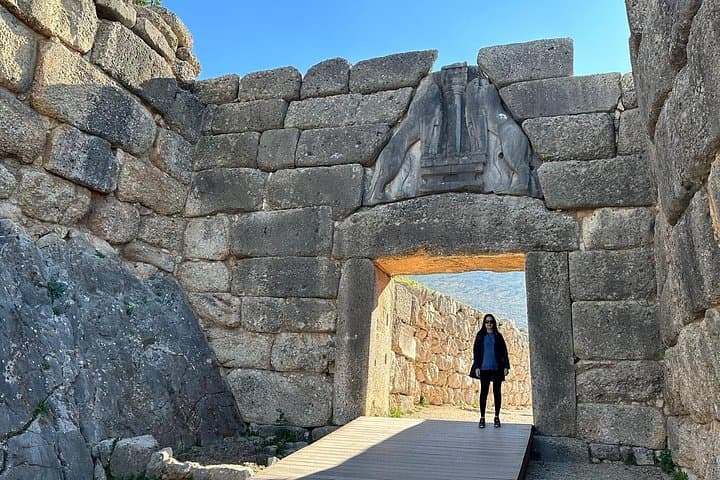
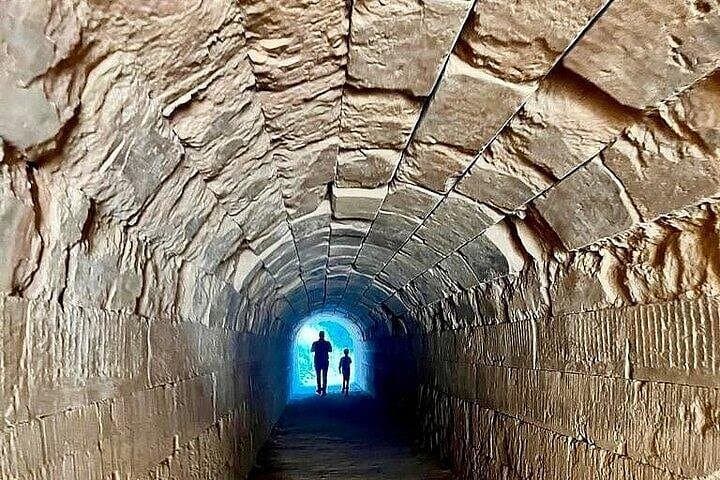
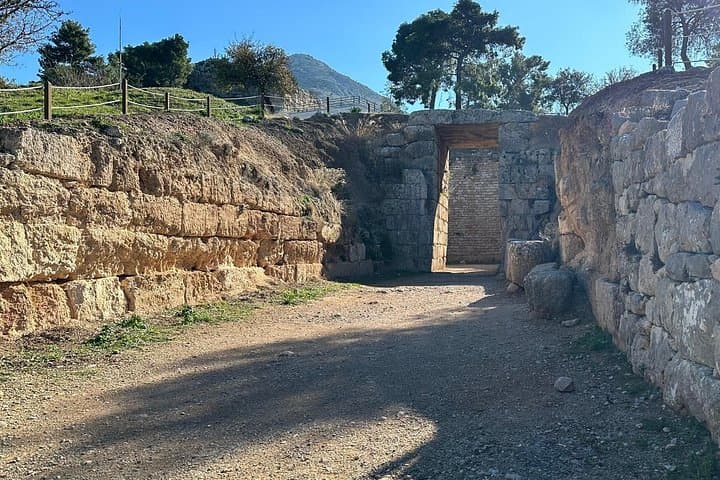
By mid-morning you stand beneath the Lion Gate, where two stone beasts still watch the approach to a city that ruled the Aegean in the second millennium BC. Mycenae’s Cyclopean walls — vast, irregular blocks hewn and stacked without mortar — give the place a deliberate, weighty presence. Nearby, the Treasury of Atreus rises as a corbelled dome that once held elite burials, its lintel a single, staggering slab of stone.
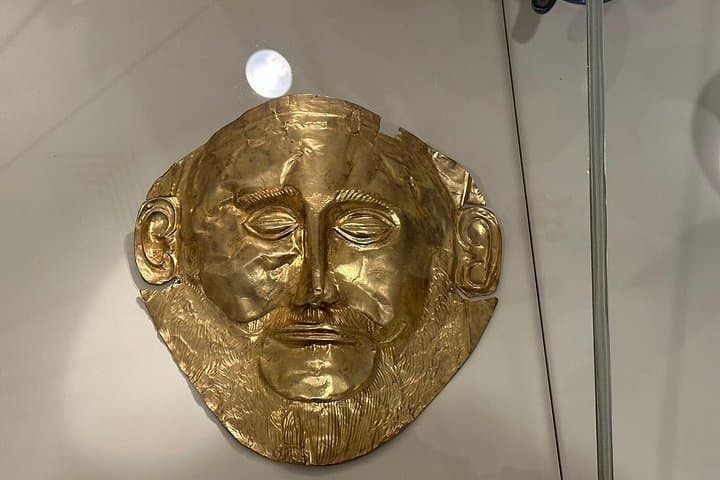
Geology here is part of the story: hard limestone outcrops shaped the citadel’s defenses and the terraced lower town. Culture and myth sit side-by-side with archaeology — Homer sang these halls, and modern museums keep the gold and pottery that validate the tales.
For practical travel: expect uneven, ancient steps and exposed sun on the ascent; follow marked paths and respect restricted areas. The half-day format (about five hours from Athens) suits travelers who want contextual history without an overnight. Bring a wide-brim hat, refillable water, sturdy shoes, and a camera with extra battery — the light on the ruins is often arresting.
Timing matters: arrive early to avoid tour crowds and the heat. Guides add invaluable context, but independent exploration of the museum and tombs rewards a slower pace. The site is conserved, but visitor care preserves it; tread lightly and leave nothing behind.
The advertised half-day tour lasts about five hours door-to-door, including stops at the Corinth Canal and Mycenae.
Policies vary by operator; check your booking — some itineraries include museum or site admissions while others do not.
The main site includes steep approaches and uneven surfaces; partial accessibility is possible but fully wheelchair-accessible routes are limited.
Yes — many tours offer pickup from Piraeus port or Athens hotels, but confirm pickup options when booking.
Yomadic.Tours & Transfers operates guided outdoor trips and adventures with an emphasis on safety, stewardship, and memorable experiences.
A hired minivan slides out of Athens as morning light skims the Argolid; the road opens, and the Corinth Canal appears like a precise incision in the landscape, daring ships to thread a shortcut once dreamed of in antiquity.
A hired minivan slides out of Athens as morning light skims the Argolid; the road opens, and the Corinth Canal appears like a precise incision in the landscape, daring ships to thread a shortcut once dreamed of in antiquity.
By mid-morning you stand beneath the Lion Gate, where two stone beasts still watch the approach to a city that ruled the Aegean in the second millennium BC. Mycenae’s Cyclopean walls — vast, irregular blocks hewn and stacked without mortar — give the place a deliberate, weighty presence. Nearby, the Treasury of Atreus rises as a corbelled dome that once held elite burials, its lintel a single, staggering slab of stone.
Geology here is part of the story: hard limestone outcrops shaped the citadel’s defenses and the terraced lower town. Culture and myth sit side-by-side with archaeology — Homer sang these halls, and modern museums keep the gold and pottery that validate the tales.
For practical travel: expect uneven, ancient steps and exposed sun on the ascent; follow marked paths and respect restricted areas. The half-day format (about five hours from Athens) suits travelers who want contextual history without an overnight. Bring a wide-brim hat, refillable water, sturdy shoes, and a camera with extra battery — the light on the ruins is often arresting.
Timing matters: arrive early to avoid tour crowds and the heat. Guides add invaluable context, but independent exploration of the museum and tombs rewards a slower pace. The site is conserved, but visitor care preserves it; tread lightly and leave nothing behind.