THE ADVENTURE COLLECTIVE® · Independent discovery and booking for outdoor travel

Spend a day moving between Rapa Nui’s volcanic craters, moai quarries, and Anakena beach, pairing cultural storytelling and an ancestral healing session with a local organic lunch. This accessible, small-group tour is a practical introduction to the island’s geology, history, and living traditions.
Spend a day moving between Rapa Nui’s volcanic craters, moai quarries, and Anakena beach, pairing cultural storytelling and an ancestral healing session with a local organic lunch. This accessible, small-group tour is a practical introduction to the island’s geology, history, and living traditions.
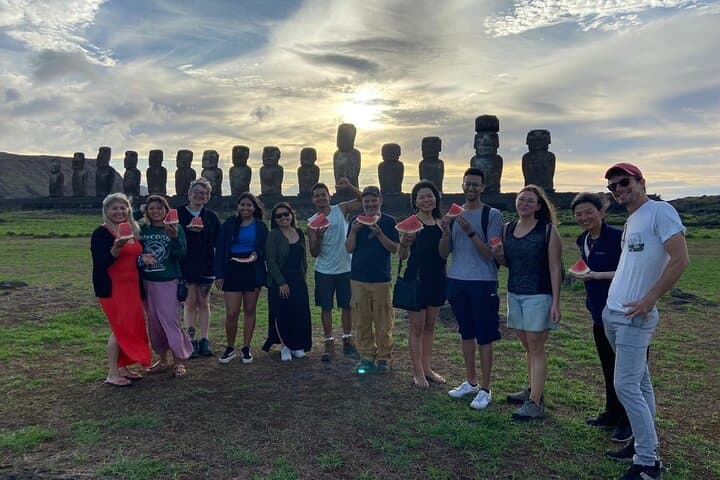
Wind off the Pacific cuts across low volcanic ridges as the minibus pulls away from Hanga Roa, and you get the first wide view: sculpted stone faces staring inland, a crater rim thrown up like a cupped hand, and a white coral beach that feels improbably bright against black lava.
Verified experiences and guided adventures in the surrounding area.
Operated by Kuhane ora · Hanga Roa, Valparaíso Region
Wind off the Pacific cuts across low volcanic ridges as the minibus pulls away from Hanga Roa, and you get the first wide view: sculpted stone faces staring inland, a crater rim thrown up like a cupped hand, and a white coral beach that feels improbably bright against black lava.
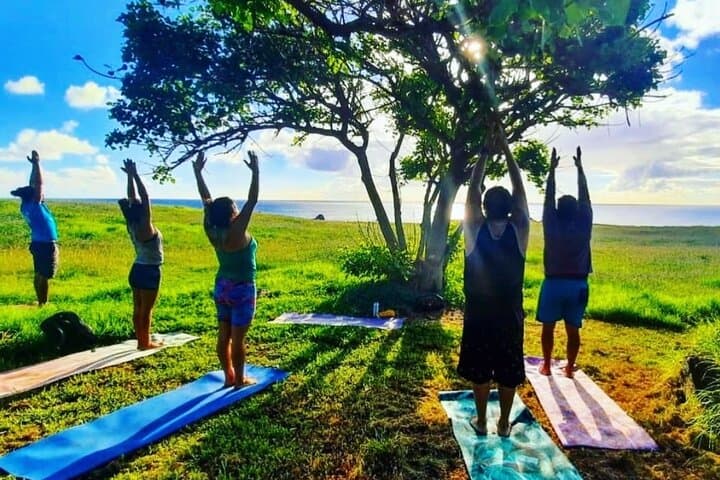
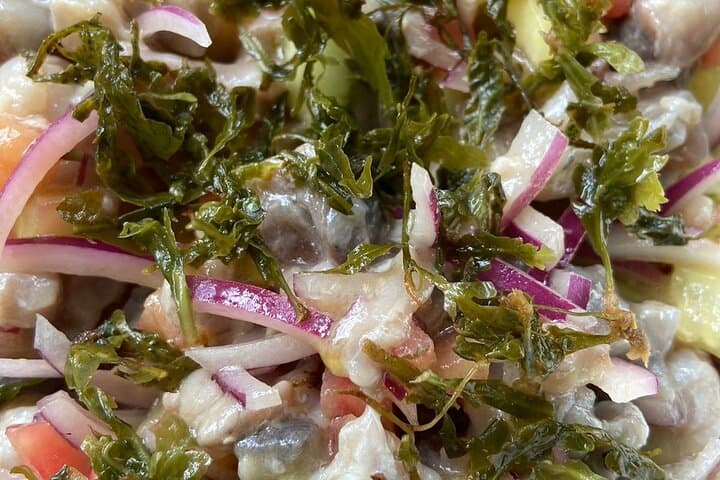
This full-day tour traces the island’s geological and cultural spine — from the Rano Kau crater and the Orongo ceremonial village where the tangata manu (bird-man) competitions once decided leadership, to Rano Raraku, the tuff quarry where moai were roughed out then moved across the lava plain. Anakena’s reef-made sand and palm grove provide the day’s quieter counterpoint, where a healthy, organic lunch is served after a guided ancestral-introspection session rooted in Rapa Nui healing practices.
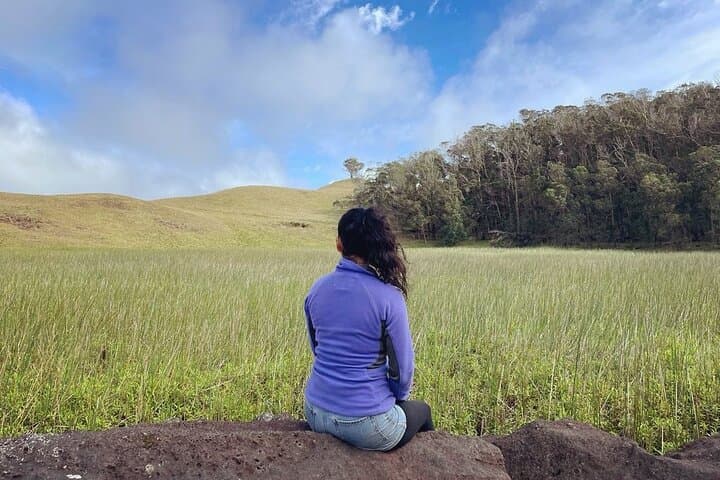
Geology here is raw: layered basalt and consolidated volcanic tuff that made carving the moai possible, and eroded crater rims that collect freshwater. Culturally, expect concise storytelling about the island’s chiefs, the ceremonial orders, and the practical skills of stone-moving. Guides balance reverence with actionable history.
Practicalities: the tour runs about seven hours, caps at roughly 15 people, and includes lunch. Paths range from paved viewpoints to compacted dirt and short beach walks — light hiking shoes are fine. Sun, wind, and changeable coastal weather matter more than steep climbs; bring sun protection, refillable water, and modest clothing for sacred sites. The operator notes wheelchair accessibility and ease for most fitness levels, but some sites have uneven ground. Plan for early light and allow photos but respect roped-off ahu. The day pairs archaeology with a tangible, physical sense of place — the island’s past underfoot and the Pacific always pushing at the edges.
The tour is approximately seven hours and includes guided visits to Rano Kau/Orongo, Rano Raraku, Anakena, and a typical organic lunch; transportation and guide fees are included.
The operator lists the tour as suitable for all fitness levels and wheelchair accessible, though some sites have uneven ground; contact the provider about specific mobility needs beforehand.
Most guided tours include transport and interpretation but not national park admission; confirm with the operator whether Rapa Nui National Park fees are included or payable on arrival.
Bring comfortable, modest clothing; a light mat or towel may be useful for beach-based practices, and follow guide instructions to respect cultural protocol.
Kuhane ora operates guided outdoor trips and adventures with an emphasis on safety, stewardship, and memorable experiences.
Wind off the Pacific cuts across low volcanic ridges as the minibus pulls away from Hanga Roa, and you get the first wide view: sculpted stone faces staring inland, a crater rim thrown up like a cupped hand, and a white coral beach that feels improbably bright against black lava.
Wind off the Pacific cuts across low volcanic ridges as the minibus pulls away from Hanga Roa, and you get the first wide view: sculpted stone faces staring inland, a crater rim thrown up like a cupped hand, and a white coral beach that feels improbably bright against black lava.
This full-day tour traces the island’s geological and cultural spine — from the Rano Kau crater and the Orongo ceremonial village where the tangata manu (bird-man) competitions once decided leadership, to Rano Raraku, the tuff quarry where moai were roughed out then moved across the lava plain. Anakena’s reef-made sand and palm grove provide the day’s quieter counterpoint, where a healthy, organic lunch is served after a guided ancestral-introspection session rooted in Rapa Nui healing practices.
Geology here is raw: layered basalt and consolidated volcanic tuff that made carving the moai possible, and eroded crater rims that collect freshwater. Culturally, expect concise storytelling about the island’s chiefs, the ceremonial orders, and the practical skills of stone-moving. Guides balance reverence with actionable history.
Practicalities: the tour runs about seven hours, caps at roughly 15 people, and includes lunch. Paths range from paved viewpoints to compacted dirt and short beach walks — light hiking shoes are fine. Sun, wind, and changeable coastal weather matter more than steep climbs; bring sun protection, refillable water, and modest clothing for sacred sites. The operator notes wheelchair accessibility and ease for most fitness levels, but some sites have uneven ground. Plan for early light and allow photos but respect roped-off ahu. The day pairs archaeology with a tangible, physical sense of place — the island’s past underfoot and the Pacific always pushing at the edges.