THE ADVENTURE COLLECTIVE® · Independent discovery and booking for outdoor travel

Ascend Namsan to the N Seoul Tower Observatory for wide-ranging city views, cultural photo spots, and a close-up look at Seoul’s skyline—best at sunset or after dark. Practical tips on access, timing, and what to expect once you reach the platform.
Ascend Namsan to the N Seoul Tower Observatory for wide-ranging city views, cultural photo spots, and a close-up look at Seoul’s skyline—best at sunset or after dark. Practical tips on access, timing, and what to expect once you reach the platform.
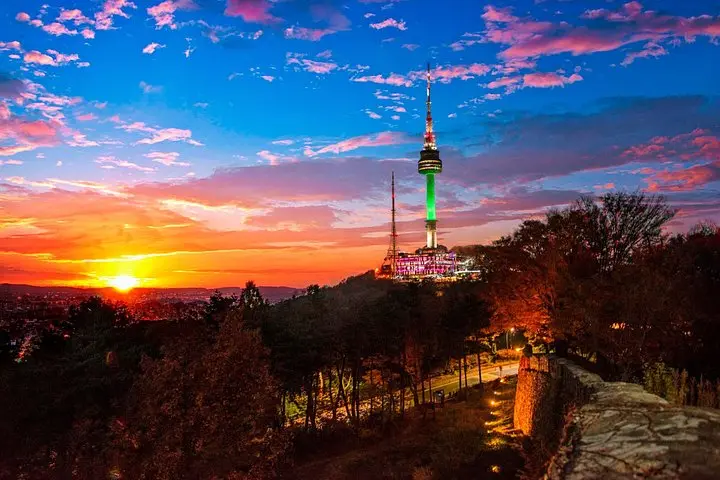
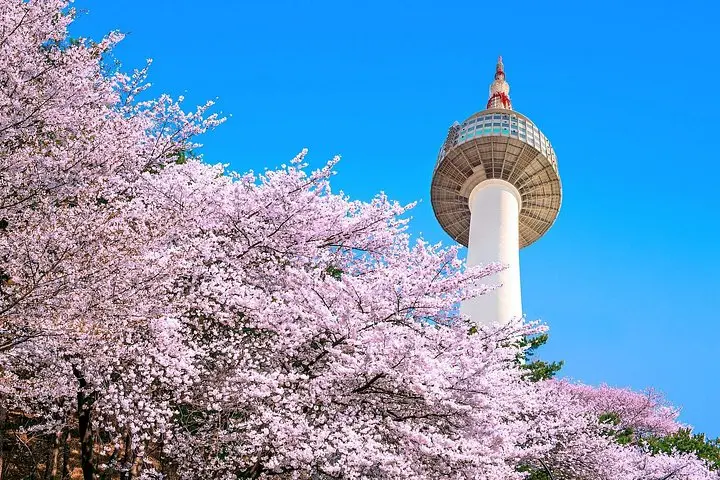
A crisp climb through Namsan Park opens onto a plateau where Seoul stretches in every direction—low-rise neighborhoods give way to glass towers and Han River curves like a ribbon. At the top, the steel-and-concrete silhouette of N Seoul Tower rises above evergreen pines; the observatory’s glass railings frame neighborhoods, the river, and the ridgelines fading into the distance.
Verified experiences and guided adventures in the surrounding area.
Operated by Trevopedia Wonders · Seoul, Seoul
A crisp climb through Namsan Park opens onto a plateau where Seoul stretches in every direction—low-rise neighborhoods give way to glass towers and Han River curves like a ribbon. At the top, the steel-and-concrete silhouette of N Seoul Tower rises above evergreen pines; the observatory’s glass railings frame neighborhoods, the river, and the ridgelines fading into the distance.
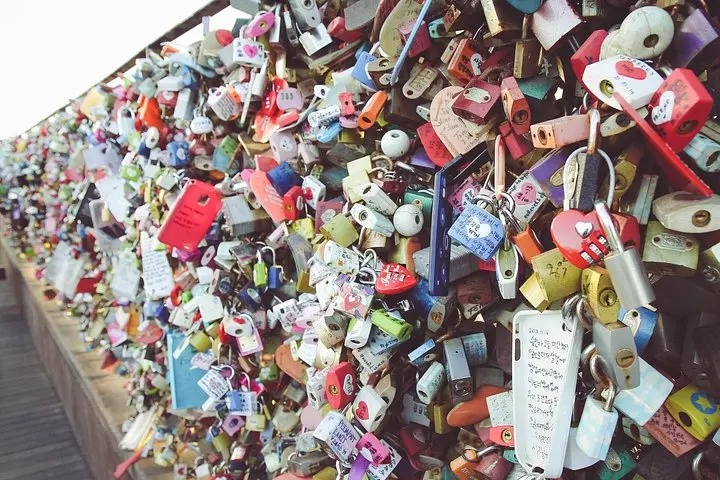
Perched on Namsan (the city’s central hill), the tower began life as a broadcast mast in the late 1960s and later evolved into an observation and cultural destination. The hill itself is modest—a wooded crown of granite and planted pines that has been part of Seoul’s urban fabric for centuries. Today the site mixes tourism (love-lock fences, character-themed photo spots) with practical amenities: restaurants, a rotating grill, and family-friendly displays.
Visitors should expect a primarily urban-nature experience: short uphill walks on packed dirt and stone steps, frequent viewpoints, and a busy platform at sunset and after dark when the city lights come on. The cable car is nearby but not included with this ticket; many arrive on foot via park trails or by bus from Myeongdong.
Practical guidance: book a timed entry or arrive early to avoid queues; carry ID for verification; plan 1–2 hours to take in the observatory, exhibits, and a quick meal. Layer up—wind and exposure at the top can feel cooler than ground level. Respect signage around the locks and use public transit where possible to reduce congestion and preserve the park’s trails.
No—the cable car is a separate fare. This ticket admits to the observatory only.
Re-entry is not allowed on the same ticket, so plan to stay for the duration of your visit.
Admission is typically free for children under 3; visitors aged 3 and over need a ticket and may be asked for ID.
Clear mornings and sunset provide the best visibility; late evenings show dramatic city lights but may be busier.
Trevopedia Wonders operates guided outdoor trips and adventures with an emphasis on safety, stewardship, and memorable experiences.

A crisp climb through Namsan Park opens onto a plateau where Seoul stretches in every direction—low-rise neighborhoods give way to glass towers and Han River curves like a ribbon. At the top, the steel-and-concrete silhouette of N Seoul Tower rises above evergreen pines; the observatory’s glass railings frame neighborhoods, the river, and the ridgelines fading into the distance.
A crisp climb through Namsan Park opens onto a plateau where Seoul stretches in every direction—low-rise neighborhoods give way to glass towers and Han River curves like a ribbon. At the top, the steel-and-concrete silhouette of N Seoul Tower rises above evergreen pines; the observatory’s glass railings frame neighborhoods, the river, and the ridgelines fading into the distance.
Perched on Namsan (the city’s central hill), the tower began life as a broadcast mast in the late 1960s and later evolved into an observation and cultural destination. The hill itself is modest—a wooded crown of granite and planted pines that has been part of Seoul’s urban fabric for centuries. Today the site mixes tourism (love-lock fences, character-themed photo spots) with practical amenities: restaurants, a rotating grill, and family-friendly displays.
Visitors should expect a primarily urban-nature experience: short uphill walks on packed dirt and stone steps, frequent viewpoints, and a busy platform at sunset and after dark when the city lights come on. The cable car is nearby but not included with this ticket; many arrive on foot via park trails or by bus from Myeongdong.
Practical guidance: book a timed entry or arrive early to avoid queues; carry ID for verification; plan 1–2 hours to take in the observatory, exhibits, and a quick meal. Layer up—wind and exposure at the top can feel cooler than ground level. Respect signage around the locks and use public transit where possible to reduce congestion and preserve the park’s trails.