THE ADVENTURE COLLECTIVE® · Independent discovery and booking for outdoor travel

A short, accessible Himalayan trek that tops out at just over 3,000 m, Naag Tibba is ideal for first-time trekkers. Expect forested ascents, grassy camps, and sweeping views of the Gangotri and Kedarnath ranges.
A short, accessible Himalayan trek that tops out at just over 3,000 m, Naag Tibba is ideal for first-time trekkers. Expect forested ascents, grassy camps, and sweeping views of the Gangotri and Kedarnath ranges.
A thin ribbon of trail climbs out of the deodar forest and the air sharpens; the summit of Naag Tibba (3,022 m / 9,915 ft) sits above you like a watchful ridge. On clear mornings the wind pulls the clouds away to reveal the Gangotri and Kedarnath groups, and Bandarpunch rising across a valley that has long shaped local travel and faith.
Verified experiences and guided adventures in the surrounding area.
Operated by Yeti Outdoors · Mussoorie, Uttarakhand
A thin ribbon of trail climbs out of the deodar forest and the air sharpens; the summit of Naag Tibba (3,022 m / 9,915 ft) sits above you like a watchful ridge. On clear mornings the wind pulls the clouds away to reveal the Gangotri and Kedarnath groups, and Bandarpunch rising across a valley that has long shaped local travel and faith.
Geology here is young Himalayan schist and quartzite carved into steep ridges and narrow cols, with moraines and grass benches near the top. Culturally the slopes have been tended by small Garhwali villages for generations — Devalsari and Pantwari still send shepherds and seasonal honey-gatherers into the meadows. The name Naag Tibba, or serpent’s peak, comes from a local image of the ridge line and a set of village legends linking the mountain to protective spirits.
Practically, the route is a classic beginner Himalayan trek: forested approaches, a steady day of ascent to the base or Jhandi Top, then a summit push with exposed sections but no technical climbing. Expect narrow stone steps, loose scree near the top, and good campsite sites on grassy ridges. Acclimatize with steady pacing, keep layers for sharp summit winds, and start early to catch the panorama and avoid afternoon cloud. Local guides and porters handle tents and meals; bring a warm sleeping bag and sturdy boots. For anyone wanting a compact, manageable introduction to Himalayan trekking, Naag Tibba offers high peaks, starry camps, and a true alpine feel without committing weeks to the trail.
It’s considered an easy beginner trek—trail sections are non-technical but require steady uphill walking and basic stamina for 4–6 hour hiking days.
Local trekking operators typically handle entry permits and fees; independent trekkers should check with Uttarakhand forest authorities for current permit rules.
Spring (March–May) and autumn (September–November) offer the most stable weather and clear views; winters are cold with potential snow, while monsoon brings heavy showers and slippery trails.
Commercial 2‑night itineraries usually include tents and sleeping bags; confirm with the operator if you prefer a personal rated bag.
Yeti Outdoors operates guided outdoor trips and adventures with an emphasis on safety, stewardship, and memorable experiences.
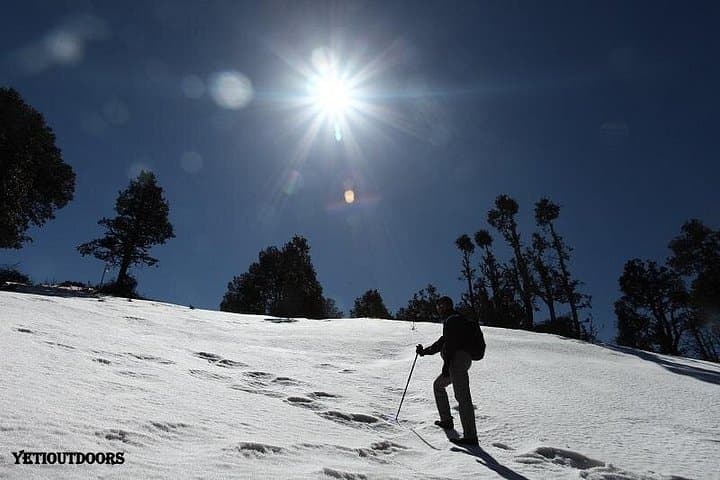
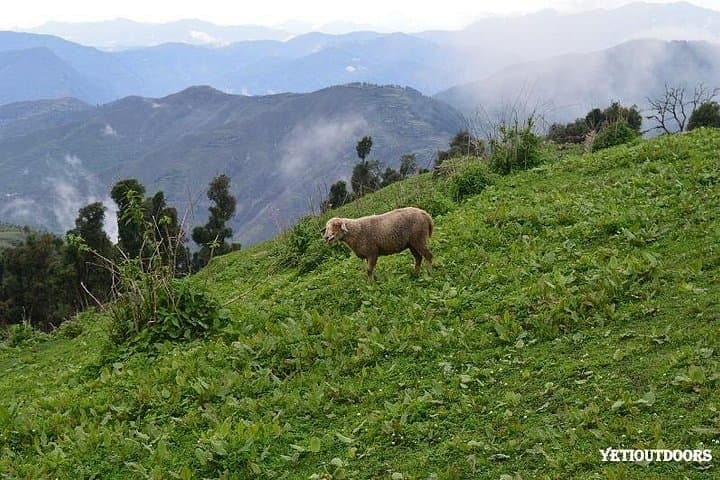
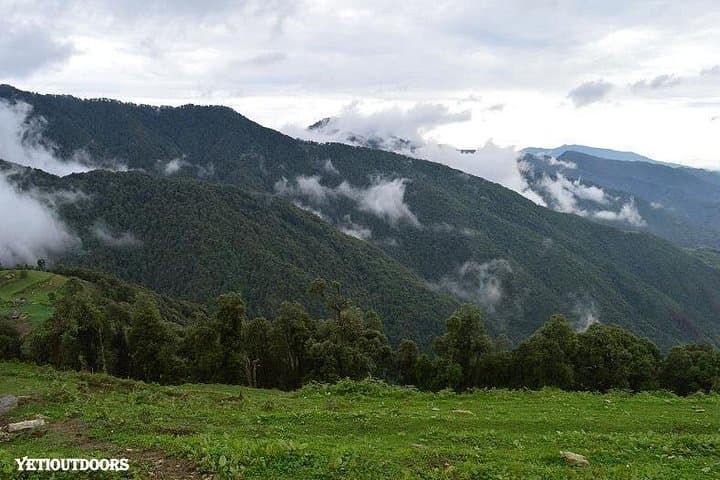
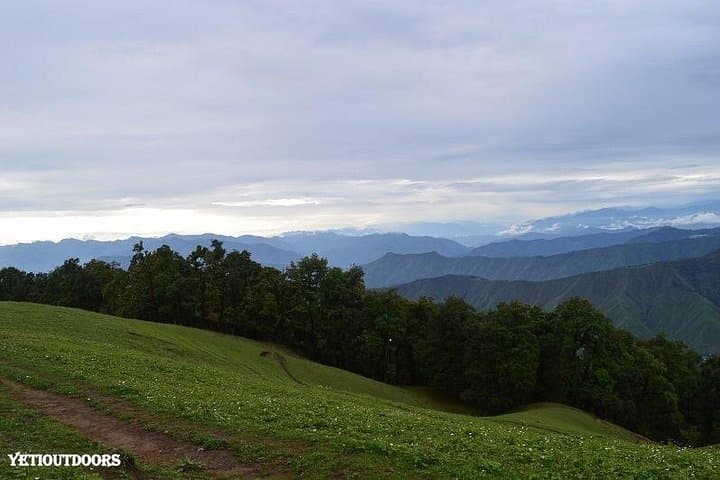
A thin ribbon of trail climbs out of the deodar forest and the air sharpens; the summit of Naag Tibba (3,022 m / 9,915 ft) sits above you like a watchful ridge. On clear mornings the wind pulls the clouds away to reveal the Gangotri and Kedarnath groups, and Bandarpunch rising across a valley that has long shaped local travel and faith.
A thin ribbon of trail climbs out of the deodar forest and the air sharpens; the summit of Naag Tibba (3,022 m / 9,915 ft) sits above you like a watchful ridge. On clear mornings the wind pulls the clouds away to reveal the Gangotri and Kedarnath groups, and Bandarpunch rising across a valley that has long shaped local travel and faith.
Geology here is young Himalayan schist and quartzite carved into steep ridges and narrow cols, with moraines and grass benches near the top. Culturally the slopes have been tended by small Garhwali villages for generations — Devalsari and Pantwari still send shepherds and seasonal honey-gatherers into the meadows. The name Naag Tibba, or serpent’s peak, comes from a local image of the ridge line and a set of village legends linking the mountain to protective spirits.
Practically, the route is a classic beginner Himalayan trek: forested approaches, a steady day of ascent to the base or Jhandi Top, then a summit push with exposed sections but no technical climbing. Expect narrow stone steps, loose scree near the top, and good campsite sites on grassy ridges. Acclimatize with steady pacing, keep layers for sharp summit winds, and start early to catch the panorama and avoid afternoon cloud. Local guides and porters handle tents and meals; bring a warm sleeping bag and sturdy boots. For anyone wanting a compact, manageable introduction to Himalayan trekking, Naag Tibba offers high peaks, starry camps, and a true alpine feel without committing weeks to the trail.