THE ADVENTURE COLLECTIVE® · Independent discovery and booking for outdoor travel

Walk Nadi’s market lanes with a local guide to taste fruit, meet artisans and tour the Sri Siva Subramaniya Temple in two hours. This compact cultural walk is ideal for first-time visitors or cruise passengers with limited time.
Walk Nadi’s market lanes with a local guide to taste fruit, meet artisans and tour the Sri Siva Subramaniya Temple in two hours. This compact cultural walk is ideal for first-time visitors or cruise passengers with limited time.
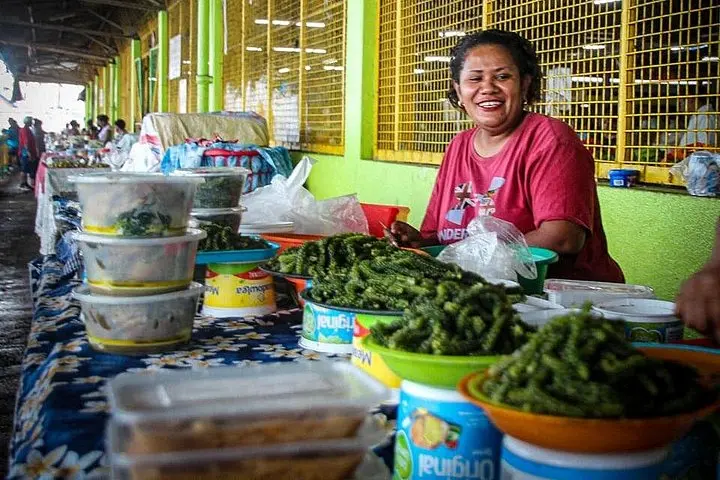
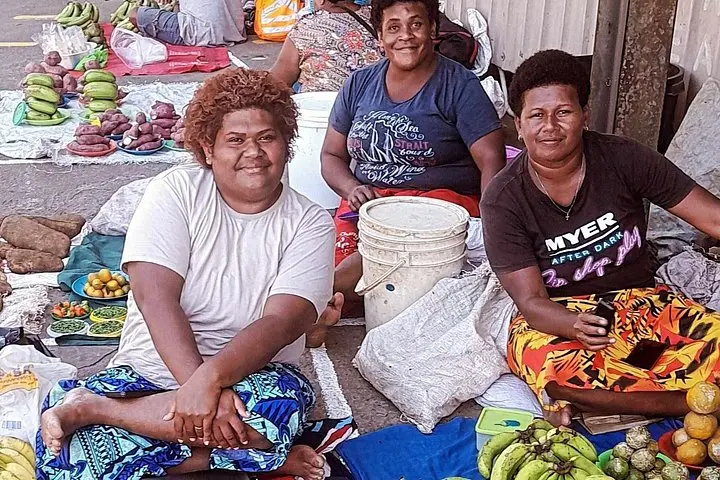
The morning air in Nadi tastes of citrus and coconut as the group spills onto the main street outside Tappoo’s. Stalls hum with vendors pruning mountains of pawpaw and taro; bright masi cloth flaps against the sun. A local guide leads the way, pointing out spices, handing around a cup of kava, and explaining how the town’s rhythms still follow tides of trade and migration.
Verified experiences and guided adventures in the surrounding area.
Operated by Explore Unlimited, Fiji · Nadi, Western Division
The morning air in Nadi tastes of citrus and coconut as the group spills onto the main street outside Tappoo’s. Stalls hum with vendors pruning mountains of pawpaw and taro; bright masi cloth flaps against the sun. A local guide leads the way, pointing out spices, handing around a cup of kava, and explaining how the town’s rhythms still follow tides of trade and migration.
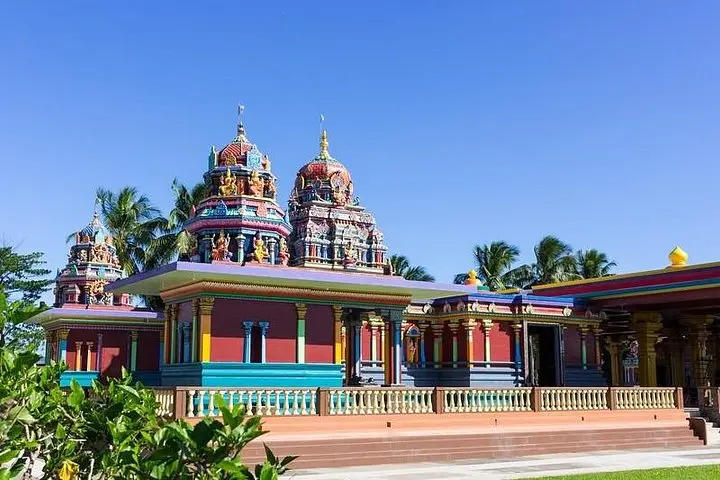
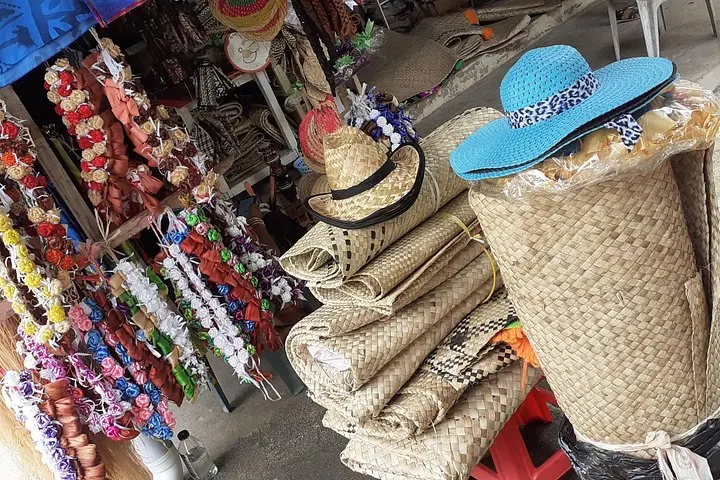
Nadi’s history is visible in its streets: Indian indentured laborers arrived in the late 19th century and left an indelible mark on food, religion and architecture—now most clearly seen in the Sri Siva Subramaniya Temple, one of the largest Hindu temples in the southern hemisphere. The volcanic soils of Viti Levu feed the market’s produce, and traditional crafts like masi (tapa) tell village stories through pattern and dye.
Expect 2 hours of easy, urban walking with stops at a farmers’ market, craft stalls, an art gallery and the temple. The guide explains cultural protocols—how to show respect at the temple and the significance of the tabua (sperm whale tooth)—and offers tastings: tropical fruit, vakalolo, masala tea.
Practical notes: wear sturdy shoes for uneven sidewalks, a sun hat, and bring cash for small purchases (some vendors are cash-only). Morning departures avoid the hottest part of the day and market crowds are liveliest then. The tour is limited to small groups for conversation and local interaction; it’s ideal for travelers who want a compact, context-rich introduction to Fijian town life.
Meet outside Tappoo’s Shopping Complex on Nadi’s main street at the scheduled departure—your confirmation will list the exact meeting spot.
Temple admission is included; you should wear modest clothing and follow the guide’s directions inside the temple complex.
Yes—this is family-friendly, but infants or visitors with mobility concerns should note the walking and some standing; infant seats are available if needed.
Yes—seasonal fruit tastings and local sweets like vakalolo are part of the experience; bring cash for additional purchases from vendors.
Explore Unlimited, Fiji operates guided outdoor trips and adventures with an emphasis on safety, stewardship, and memorable experiences.
The morning air in Nadi tastes of citrus and coconut as the group spills onto the main street outside Tappoo’s. Stalls hum with vendors pruning mountains of pawpaw and taro; bright masi cloth flaps against the sun. A local guide leads the way, pointing out spices, handing around a cup of kava, and explaining how the town’s rhythms still follow tides of trade and migration.
The morning air in Nadi tastes of citrus and coconut as the group spills onto the main street outside Tappoo’s. Stalls hum with vendors pruning mountains of pawpaw and taro; bright masi cloth flaps against the sun. A local guide leads the way, pointing out spices, handing around a cup of kava, and explaining how the town’s rhythms still follow tides of trade and migration.
Nadi’s history is visible in its streets: Indian indentured laborers arrived in the late 19th century and left an indelible mark on food, religion and architecture—now most clearly seen in the Sri Siva Subramaniya Temple, one of the largest Hindu temples in the southern hemisphere. The volcanic soils of Viti Levu feed the market’s produce, and traditional crafts like masi (tapa) tell village stories through pattern and dye.
Expect 2 hours of easy, urban walking with stops at a farmers’ market, craft stalls, an art gallery and the temple. The guide explains cultural protocols—how to show respect at the temple and the significance of the tabua (sperm whale tooth)—and offers tastings: tropical fruit, vakalolo, masala tea.
Practical notes: wear sturdy shoes for uneven sidewalks, a sun hat, and bring cash for small purchases (some vendors are cash-only). Morning departures avoid the hottest part of the day and market crowds are liveliest then. The tour is limited to small groups for conversation and local interaction; it’s ideal for travelers who want a compact, context-rich introduction to Fijian town life.