THE ADVENTURE COLLECTIVE® · Independent discovery and booking for outdoor travel

Catch a Himalayan sunrise from Nagarkot, then hike 12 km down through village paths to the 4th-century Changunarayan Temple. This 3–4 hour descent blends panoramic Everest views, rural Nepalese life, and ancient culture.
Catch a Himalayan sunrise from Nagarkot, then hike 12 km down through village paths to the 4th-century Changunarayan Temple. This 3–4 hour descent blends panoramic Everest views, rural Nepalese life, and ancient culture.
You step out into a Himalayan predawn: cold air cutting clear, the valley below still sleeping while peaks along the horizon flare from gray to gold. At Nagarkot's viewpoint, the first light pins Everest and its neighboring giants into sharp silhouette; the mountains appear to lean forward, daring you to move toward them.
Verified experiences and guided adventures in the surrounding area.
Operated by Himalayanwalkers · Nagarkot, Bagmati Province
You step out into a Himalayan predawn: cold air cutting clear, the valley below still sleeping while peaks along the horizon flare from gray to gold. At Nagarkot's viewpoint, the first light pins Everest and its neighboring giants into sharp silhouette; the mountains appear to lean forward, daring you to move toward them.
This half-day experience pairs a classic sunrise viewpoint at 2,175 m with a largely downhill 12 km hike to Changunarayan Temple (1,500 m). Geologically the scene is the result of the Indian and Eurasian plates colliding—ridges and terraces that shepherd water and people the same ancient routes. Culturally, Changunarayan dates to the 4th century and is one of the Kathmandu Valley's oldest Hindu shrines, its stone carvings reflecting centuries of Newar craftsmanship and devotional practice.
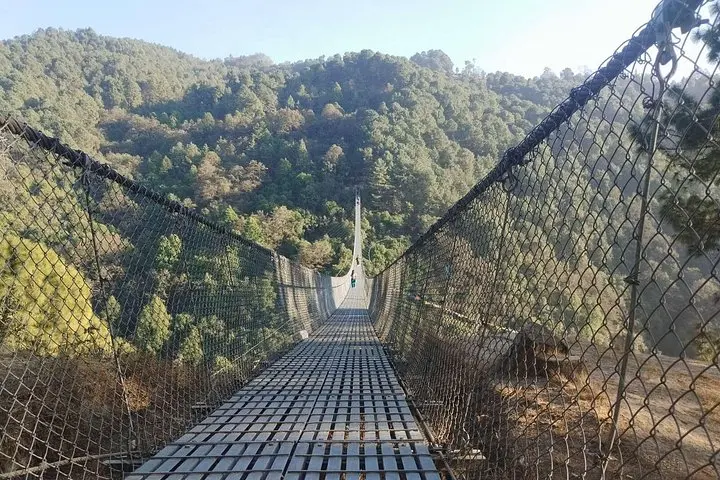
The route drops roughly 675 meters over 3–4 hours across mixed terrain: packed dirt trails, stone steps, terraced farm tracks and occasional forested ridgelines. You’ll pass small villages where morning routines—tea fires, livestock, children walking to school—frame the walk with local life. Guides often point out irrigation channels, local crops and small shrines that mark community history.
Practical guidance: start before dawn to secure the viewpoint and bring layered clothing for a sharp temperature swing. Expect uneven footing—sturdy footwear and trekking poles help. Bring water (1–2 L), small change for temple offerings or tea, and allow time at Changunarayan to explore the carved reliefs. Weather can hide peaks; clear skies reward early risers with sweeping Himalayan panoramas.
The hike is approximately 12 km and is primarily downhill from Nagarkot (2,175 m) to Changunarayan (about 1,500 m), taking roughly 3–4 hours.
No special permit is required; a local English-speaking guide is typically included and recommended for navigation and cultural context.
Visibility varies by season—autumn and spring offer the clearest sky; operators may cancel or reschedule in poor weather per their policy.
The route is family-friendly in terms of technical difficulty but requires moderate stamina and care on stone steps; those with spinal/heart issues should avoid it.
Himalayanwalkers operates guided outdoor trips and adventures with an emphasis on safety, stewardship, and memorable experiences.
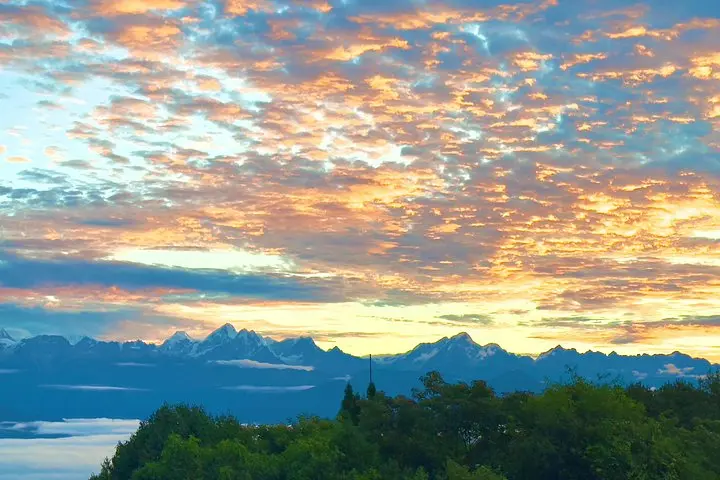
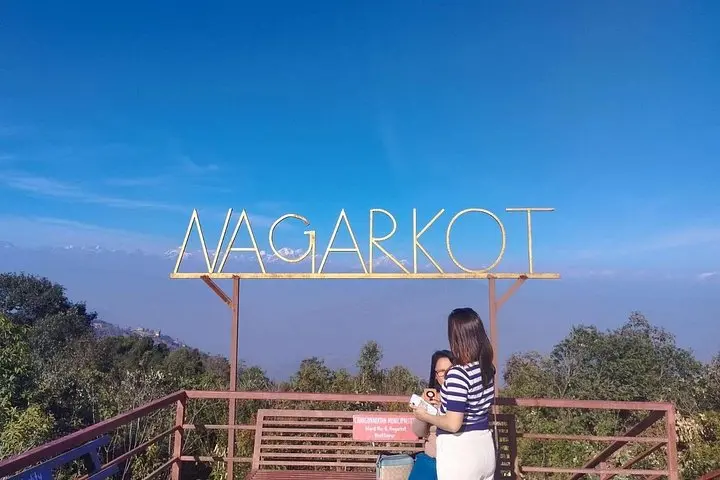
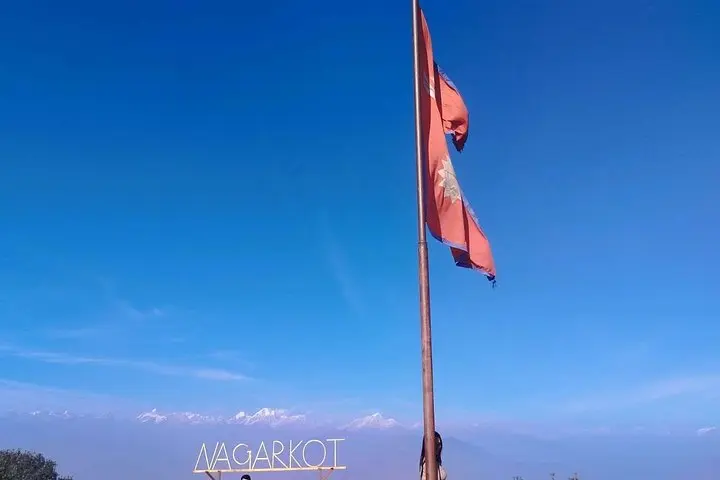
You step out into a Himalayan predawn: cold air cutting clear, the valley below still sleeping while peaks along the horizon flare from gray to gold. At Nagarkot's viewpoint, the first light pins Everest and its neighboring giants into sharp silhouette; the mountains appear to lean forward, daring you to move toward them.
You step out into a Himalayan predawn: cold air cutting clear, the valley below still sleeping while peaks along the horizon flare from gray to gold. At Nagarkot's viewpoint, the first light pins Everest and its neighboring giants into sharp silhouette; the mountains appear to lean forward, daring you to move toward them.
This half-day experience pairs a classic sunrise viewpoint at 2,175 m with a largely downhill 12 km hike to Changunarayan Temple (1,500 m). Geologically the scene is the result of the Indian and Eurasian plates colliding—ridges and terraces that shepherd water and people the same ancient routes. Culturally, Changunarayan dates to the 4th century and is one of the Kathmandu Valley's oldest Hindu shrines, its stone carvings reflecting centuries of Newar craftsmanship and devotional practice.
The route drops roughly 675 meters over 3–4 hours across mixed terrain: packed dirt trails, stone steps, terraced farm tracks and occasional forested ridgelines. You’ll pass small villages where morning routines—tea fires, livestock, children walking to school—frame the walk with local life. Guides often point out irrigation channels, local crops and small shrines that mark community history.
Practical guidance: start before dawn to secure the viewpoint and bring layered clothing for a sharp temperature swing. Expect uneven footing—sturdy footwear and trekking poles help. Bring water (1–2 L), small change for temple offerings or tea, and allow time at Changunarayan to explore the carved reliefs. Weather can hide peaks; clear skies reward early risers with sweeping Himalayan panoramas.