THE ADVENTURE COLLECTIVE® · Independent discovery and booking for outdoor travel

Catch a Himalayan sunrise from Nagarkot, then descend through terraced farms and living villages to the UNESCO-listed Changu Narayan temple. This beginner-friendly day trek blends panoramic peaks with cultural stops and local crafts.
Catch a Himalayan sunrise from Nagarkot, then descend through terraced farms and living villages to the UNESCO-listed Changu Narayan temple. This beginner-friendly day trek blends panoramic peaks with cultural stops and local crafts.
Before dawn the ridge at Nagarkot feels electric: a cool wind pushes clouds off the horizon and the first thin blade of orange pries open a line of Himalayan summits. On a clear morning you can watch as Everest, Annapurna I, Dhaulagiri and Manaslu sharpen into view, the peaks seeming to grow taller as light crawls down to the terraced fields below.
Verified experiences and guided adventures in the surrounding area.
Operated by Himal Tourism Pvt.Ltd · Nagarkot, Bagmati Province
Before dawn the ridge at Nagarkot feels electric: a cool wind pushes clouds off the horizon and the first thin blade of orange pries open a line of Himalayan summits. On a clear morning you can watch as Everest, Annapurna I, Dhaulagiri and Manaslu sharpen into view, the peaks seeming to grow taller as light crawls down to the terraced fields below.
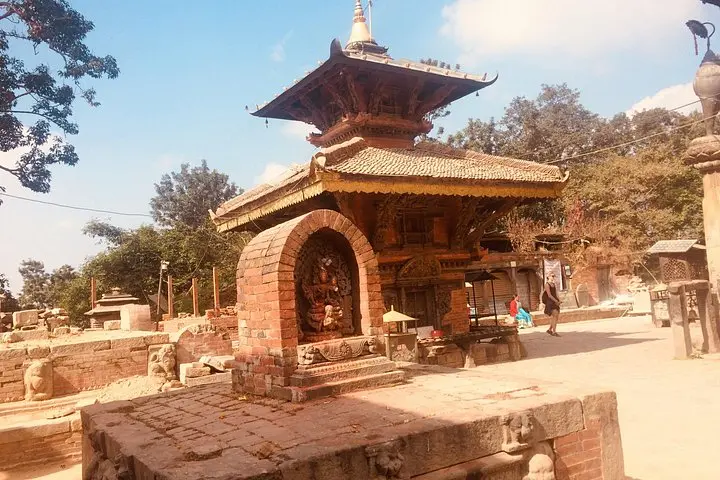
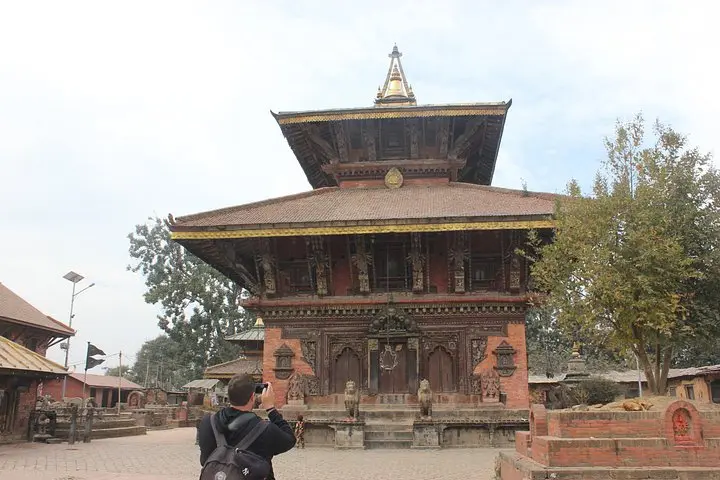
This short cultural trek pairs that alpine spectacle with a gentle downhill walk through farming villages to Changu Narayan, a UNESCO site and home to one of the Kathmandu Valley’s oldest Hindu temples — a stone complex with carved reliefs and centuries of local craftsmanship. Geologically, you’re seeing the collision zone of the Indian and Eurasian plates; the skyline is a raw cross-section of uplift sculpted by glaciers and time.
The route is mainly farm tracks and stone steps that thread Tamang and Brahman settlements; you’ll pass craftsmen at work, small tea stalls and narrow lanes that preserve a slower pace of life. The hike covers roughly 6–8 km over about three hours with a net descent of around 600–800 meters, so it’s largely nontechnical but demands steady footing.
Practical edge: expect an early hotel pickup from Kathmandu, dress in warm layers for the pre-sunrise chill, and bring a headlamp. Water, sturdy shoes, and modest clothing for temple visits are musts. If visibility is poor, the experience still rewards with village life and temple exploration; if it’s clear, the sunrise is unforgettable.
Visibility depends on weather; on clear mornings you can see Everest along with several other major peaks, but clouds or haze can obscure the view.
The trek is classified easy — mainly downhill on good paths and stone steps — but it still requires steady footing and basic stamina for 2–3 hours of walking.
Most operators include hotel pickup and drop-off in Kathmandu; confirm pickup time as it will be very early to reach Nagarkot for sunrise.
Changu Narayan is a UNESCO-listed temple complex; there is often a small entrance fee which may or may not be included—bring modest cash just in case.
Himal Tourism Pvt.Ltd operates guided outdoor trips and adventures with an emphasis on safety, stewardship, and memorable experiences.
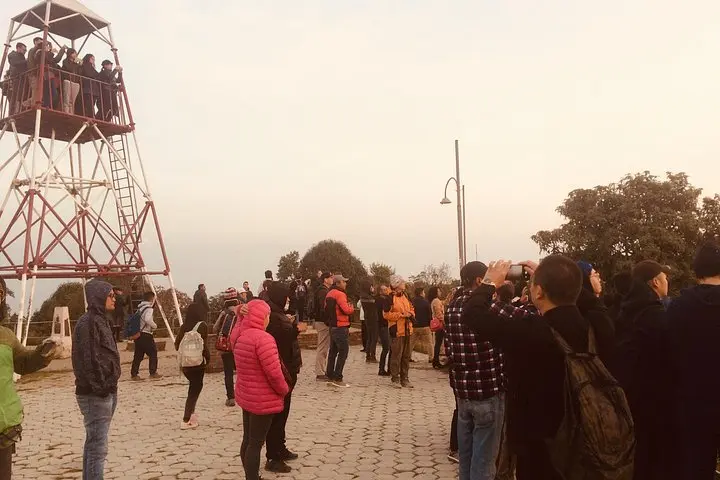
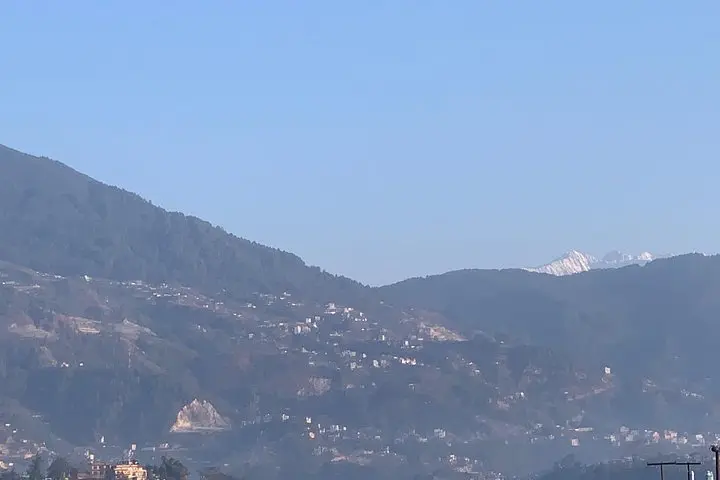
Before dawn the ridge at Nagarkot feels electric: a cool wind pushes clouds off the horizon and the first thin blade of orange pries open a line of Himalayan summits. On a clear morning you can watch as Everest, Annapurna I, Dhaulagiri and Manaslu sharpen into view, the peaks seeming to grow taller as light crawls down to the terraced fields below.
Before dawn the ridge at Nagarkot feels electric: a cool wind pushes clouds off the horizon and the first thin blade of orange pries open a line of Himalayan summits. On a clear morning you can watch as Everest, Annapurna I, Dhaulagiri and Manaslu sharpen into view, the peaks seeming to grow taller as light crawls down to the terraced fields below.
This short cultural trek pairs that alpine spectacle with a gentle downhill walk through farming villages to Changu Narayan, a UNESCO site and home to one of the Kathmandu Valley’s oldest Hindu temples — a stone complex with carved reliefs and centuries of local craftsmanship. Geologically, you’re seeing the collision zone of the Indian and Eurasian plates; the skyline is a raw cross-section of uplift sculpted by glaciers and time.
The route is mainly farm tracks and stone steps that thread Tamang and Brahman settlements; you’ll pass craftsmen at work, small tea stalls and narrow lanes that preserve a slower pace of life. The hike covers roughly 6–8 km over about three hours with a net descent of around 600–800 meters, so it’s largely nontechnical but demands steady footing.
Practical edge: expect an early hotel pickup from Kathmandu, dress in warm layers for the pre-sunrise chill, and bring a headlamp. Water, sturdy shoes, and modest clothing for temple visits are musts. If visibility is poor, the experience still rewards with village life and temple exploration; if it’s clear, the sunrise is unforgettable.