THE ADVENTURE COLLECTIVE® · Independent discovery and booking for outdoor travel

Watch the Himalayan sunrise from Nagarkot, then hike the village trails down to Changu Narayan Temple—a four-hour cultural and scenic descent from ridge to valley. This trip combines panoramic mountain views with one of the Kathmandu Valley’s oldest pagoda temples.
Watch the Himalayan sunrise from Nagarkot, then hike the village trails down to Changu Narayan Temple—a four-hour cultural and scenic descent from ridge to valley. This trip combines panoramic mountain views with one of the Kathmandu Valley’s oldest pagoda temples.
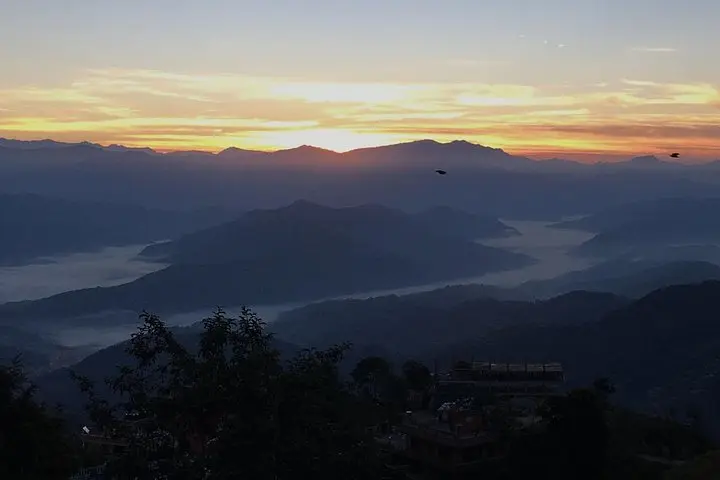
Before dawn, the road from Kathmandu unfurls through sleeping villages as your driver noses up toward Nagarkot; by the time you step out the eastern sky is a slow smear of color, the high ridgelines sharpening into the serrated profile of the Himalaya. On clear mornings, the sun slices light across peaks that include distant Everest, turning terraces and temple roofs below into gleams of copper and stone.
Verified experiences and guided adventures in the surrounding area.
Operated by Outfitter Nepal · Nagarkot, Bagmati Province
Before dawn, the road from Kathmandu unfurls through sleeping villages as your driver noses up toward Nagarkot; by the time you step out the eastern sky is a slow smear of color, the high ridgelines sharpening into the serrated profile of the Himalaya. On clear mornings, the sun slices light across peaks that include distant Everest, turning terraces and temple roofs below into gleams of copper and stone.
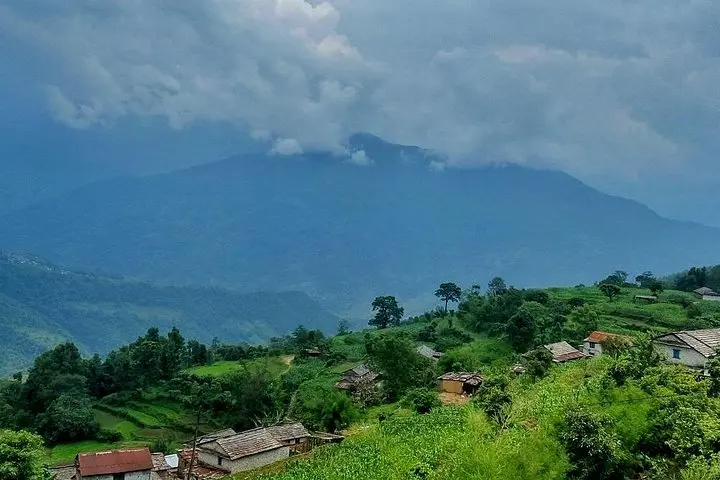
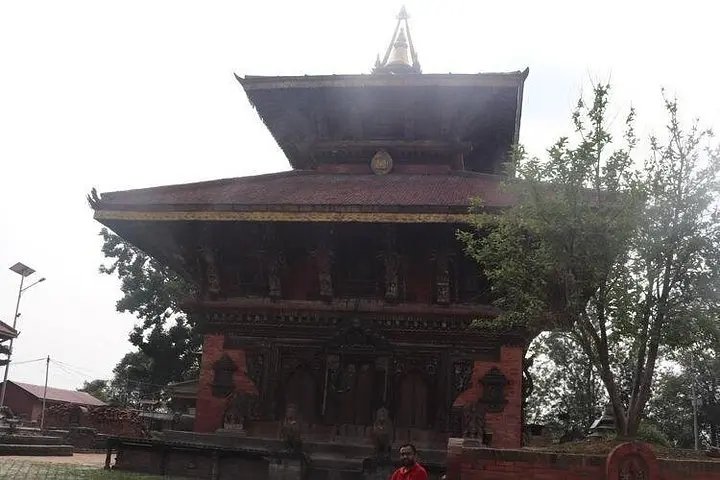
Nagarkot sits at roughly 2,175 m above the Kathmandu Valley and has long been a lookout for mountain-spotters and locals. The hike down to Changu Narayan traverses older settlement paths and mixed oak-pine forest, then drops toward the 1st-century Licchavi-era Changu Narayan temple—a rare surviving example of early pagoda architecture richly carved in wood and stone. Geologically, you move from the ridge’s weathered schists into river-valley deposits that feed the Indrawati drainage below.
The route is part walking trail, part village lane: expect stone steps, compact dirt, and occasional paved stretches. Plan a 4-hour window for the descent and stops; breakfast in Nagarkot before you hike sharpens the stomach for the day.
Practical edge: start before sunrise (pickups typically at 4:00–4:30), bring warm layers and a headlamp for the return to the vehicle, and carry cash—small teahouses and temple donations are still cash-based. Footwear with solid traction matters; rainy-season steps get slick. Guides streamline logistics and point out carvings and local stories, turning a scenic sunrise into a cultural walk back toward Kathmandu.
The drive typically takes 45–60 minutes depending on traffic and your hotel pickup location in Kathmandu.
You can see Everest from Nagarkot on clear days; visibility depends on season and air quality—late autumn and winter usually offer the best views.
Yes—this tour is described as suitable for all fitness levels, but children should be supervised on stone steps and uneven sections; the route is mostly downhill but can be steep in places.
Basic toilets and small cafes are available in Nagarkot and near Changu Narayan; bring small change for payments.
Outfitter Nepal operates guided outdoor trips and adventures with an emphasis on safety, stewardship, and memorable experiences.
Before dawn, the road from Kathmandu unfurls through sleeping villages as your driver noses up toward Nagarkot; by the time you step out the eastern sky is a slow smear of color, the high ridgelines sharpening into the serrated profile of the Himalaya. On clear mornings, the sun slices light across peaks that include distant Everest, turning terraces and temple roofs below into gleams of copper and stone.
Before dawn, the road from Kathmandu unfurls through sleeping villages as your driver noses up toward Nagarkot; by the time you step out the eastern sky is a slow smear of color, the high ridgelines sharpening into the serrated profile of the Himalaya. On clear mornings, the sun slices light across peaks that include distant Everest, turning terraces and temple roofs below into gleams of copper and stone.
Nagarkot sits at roughly 2,175 m above the Kathmandu Valley and has long been a lookout for mountain-spotters and locals. The hike down to Changu Narayan traverses older settlement paths and mixed oak-pine forest, then drops toward the 1st-century Licchavi-era Changu Narayan temple—a rare surviving example of early pagoda architecture richly carved in wood and stone. Geologically, you move from the ridge’s weathered schists into river-valley deposits that feed the Indrawati drainage below.
The route is part walking trail, part village lane: expect stone steps, compact dirt, and occasional paved stretches. Plan a 4-hour window for the descent and stops; breakfast in Nagarkot before you hike sharpens the stomach for the day.
Practical edge: start before sunrise (pickups typically at 4:00–4:30), bring warm layers and a headlamp for the return to the vehicle, and carry cash—small teahouses and temple donations are still cash-based. Footwear with solid traction matters; rainy-season steps get slick. Guides streamline logistics and point out carvings and local stories, turning a scenic sunrise into a cultural walk back toward Kathmandu.