THE ADVENTURE COLLECTIVE® · Independent discovery and booking for outdoor travel

Drive 32 km east of Kathmandu to Nagarkot’s 2,175 m ridge for a private sunrise or sunset viewpoint experience. This half-day tour includes hotel transfers and either breakfast at dawn or tea and snacks at dusk—ideal for short, high-altitude photo runs.
Drive 32 km east of Kathmandu to Nagarkot’s 2,175 m ridge for a private sunrise or sunset viewpoint experience. This half-day tour includes hotel transfers and either breakfast at dawn or tea and snacks at dusk—ideal for short, high-altitude photo runs.
Before dawn the ridge breathes cold air down into the valley and the vans climb past terraced fields toward Nagarkot’s viewpoint. By sunrise the eastern sky peels open and the Himalayan skyline—from Ganesh Himal to distant Everest on clear days—edges into light; at sunset the same ridge drinks the last gold and spills shadows down the valley.
Verified experiences and guided adventures in the surrounding area.
Operated by Delhi Airport Service · Nagarkot, Bagmati Province
Before dawn the ridge breathes cold air down into the valley and the vans climb past terraced fields toward Nagarkot’s viewpoint. By sunrise the eastern sky peels open and the Himalayan skyline—from Ganesh Himal to distant Everest on clear days—edges into light; at sunset the same ridge drinks the last gold and spills shadows down the valley.
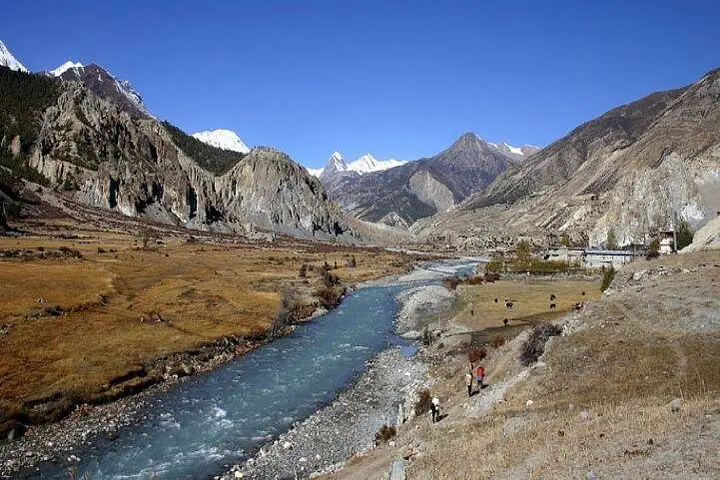
Nagarkot sits on the northeastern rim of the Kathmandu Valley at about 2,175 m, reached by a roughly 32 km, 1.5-hour drive from central Kathmandu. The landscape is a mix of paved approach roads, scrubby forest, and short packed-dirt trails teeming with butterflies; to the west lies the ancient Changu Narayan temple, one of the valley’s oldest Hindu shrines. Geologically the ridge is an uplifted shoulder of the Lesser Himalaya, where weather and human agriculture shape a patchwork of rice paddies and potato plots.
This private tour is largely a short, scenic outing—minimal hiking, maximum viewpoint time—so it suits travelers who want clear mountain light without a full trek. Expect crisp air, rapid weather changes, and a crowd at the prime viewing platforms during peak hours. Pickup and return from any Kathmandu hotel are included, as are breakfast pastries for sunrise runs or evening tea and snacks for sunset runs.
Practical tips: choose sunrise for clearer winter air and calmer winds, layer for temperatures that can drop quickly at 2,175 m, and bring a tripod if you plan photography. Monsoon months (July–August) can bring heavy rain and low visibility; check conditions before you go.
The road distance is around 32 km and typically takes about 1.5 hours each way, depending on traffic and road conditions.
On very clear mornings, the northeastern skyline includes distant high peaks and Everest can be visible; visibility depends on season and air quality.
Yes—this is a private vehicle-based tour with short walks; however, the altitude and cold require appropriate clothing and moderate mobility.
Heavy rain in July–August can reduce visibility and make roads slippery; operators may cancel or reschedule if conditions are unsafe.
Delhi Airport Service operates guided outdoor trips and adventures with an emphasis on safety, stewardship, and memorable experiences.
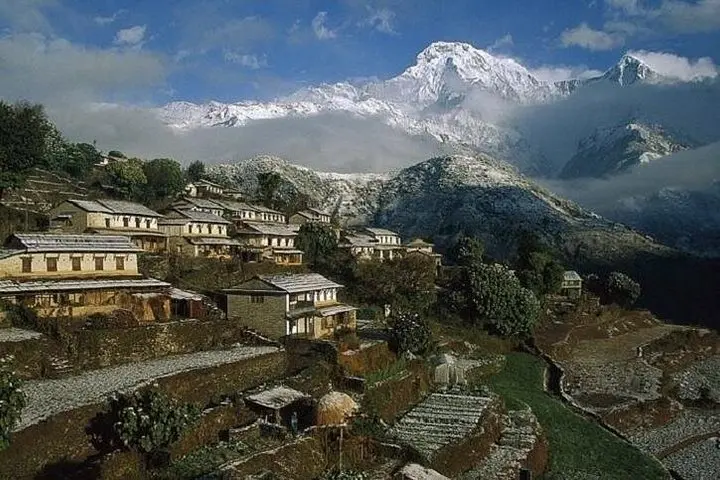
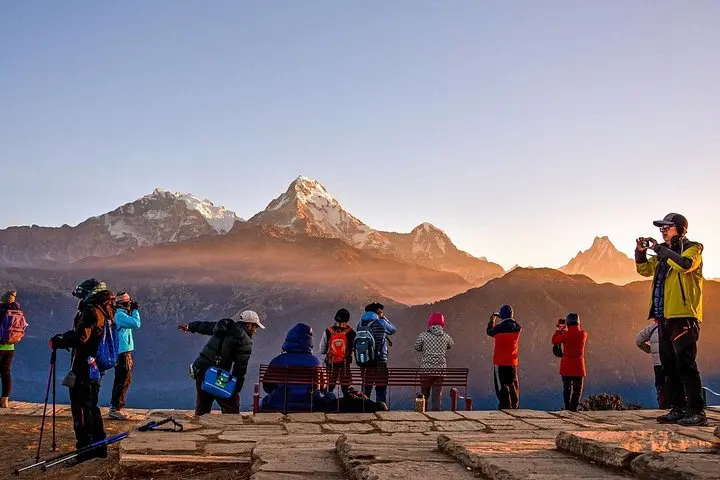
Before dawn the ridge breathes cold air down into the valley and the vans climb past terraced fields toward Nagarkot’s viewpoint. By sunrise the eastern sky peels open and the Himalayan skyline—from Ganesh Himal to distant Everest on clear days—edges into light; at sunset the same ridge drinks the last gold and spills shadows down the valley.
Before dawn the ridge breathes cold air down into the valley and the vans climb past terraced fields toward Nagarkot’s viewpoint. By sunrise the eastern sky peels open and the Himalayan skyline—from Ganesh Himal to distant Everest on clear days—edges into light; at sunset the same ridge drinks the last gold and spills shadows down the valley.
Nagarkot sits on the northeastern rim of the Kathmandu Valley at about 2,175 m, reached by a roughly 32 km, 1.5-hour drive from central Kathmandu. The landscape is a mix of paved approach roads, scrubby forest, and short packed-dirt trails teeming with butterflies; to the west lies the ancient Changu Narayan temple, one of the valley’s oldest Hindu shrines. Geologically the ridge is an uplifted shoulder of the Lesser Himalaya, where weather and human agriculture shape a patchwork of rice paddies and potato plots.
This private tour is largely a short, scenic outing—minimal hiking, maximum viewpoint time—so it suits travelers who want clear mountain light without a full trek. Expect crisp air, rapid weather changes, and a crowd at the prime viewing platforms during peak hours. Pickup and return from any Kathmandu hotel are included, as are breakfast pastries for sunrise runs or evening tea and snacks for sunset runs.
Practical tips: choose sunrise for clearer winter air and calmer winds, layer for temperatures that can drop quickly at 2,175 m, and bring a tripod if you plan photography. Monsoon months (July–August) can bring heavy rain and low visibility; check conditions before you go.