THE ADVENTURE COLLECTIVE® · Independent discovery and booking for outdoor travel

Step behind closed doors in Nagoya to experience Japan’s official gambling: horse racing, keirin (bicycle racing), and pachinko. This guided half-day tour decodes the etiquette, betting, and atmosphere so you can participate confidently.
Step behind closed doors in Nagoya to experience Japan’s official gambling: horse racing, keirin (bicycle racing), and pachinko. This guided half-day tour decodes the etiquette, betting, and atmosphere so you can participate confidently.
The city hums as neon and announcers collide — you arrive in Nagoya with a guide who steers you through doors most travelers miss. The first stop might be a racecourse where hooves thunder and odds scroll like weather; later, a velodrome where cyclists lean into turns; finally, a pachinko parlor where machines click and lights argue for attention.
Verified experiences and guided adventures in the surrounding area.
Operated by 愛知インバウンド協会 · Nagoya, Aichi Prefecture
The city hums as neon and announcers collide — you arrive in Nagoya with a guide who steers you through doors most travelers miss. The first stop might be a racecourse where hooves thunder and odds scroll like weather; later, a velodrome where cyclists lean into turns; finally, a pachinko parlor where machines click and lights argue for attention.
Gambling in Japan exists in a tightly regulated, civic form: horse racing and keirin (bicycle racing) developed into major spectator sports during the Meiji and postwar eras, while pachinko evolved from mid-20th-century arcade culture. These venues are urban artifacts — concrete grandstands, broadcast towers, and rain-slicked plazas — that reveal modern leisure and community practices more than conspicuous risk.
Expect clear, choreographed rituals: numbered tickets, polite queues, and an emphasis on small-stakes play. Your guide explains how to read the boards, place a 300–1000-yen bet, and interpret payouts. Plan for walking between venues, loud indoor environments, and short windows of intense activity around each race.
Practical notes: bring small bills and a valid ID, wear comfortable shoes for steps and concourses, and leave large or flashy valuables at the hotel. Timing matters — events may not run every day and some venues close on race off-days. If you win, reinvest modestly or use the moment for a celebratory local dinner; if you lose, the experience itself is the takeaway. This is an urban cultural afternoon — equal parts spectacle, social code, and hands-on learning about Japan’s unique regulated gambling scene.
No; guides will translate and many ticket machines and boards use numbers and simple symbols, but learning a few terms helps.
Yes — regulated forms like horse racing, keirin, and pachinko are open to all adults, though procedures differ by venue.
Hosts recommend betting between 300 and 1000 yen per race; total optional spending on this tour is modest and capped by your comfort.
Many modern venues offer ramps, elevators, and accessible seating, but check with your operator for venue-specific accommodations.
愛知インバウンド協会 operates guided outdoor trips and adventures with an emphasis on safety, stewardship, and memorable experiences.
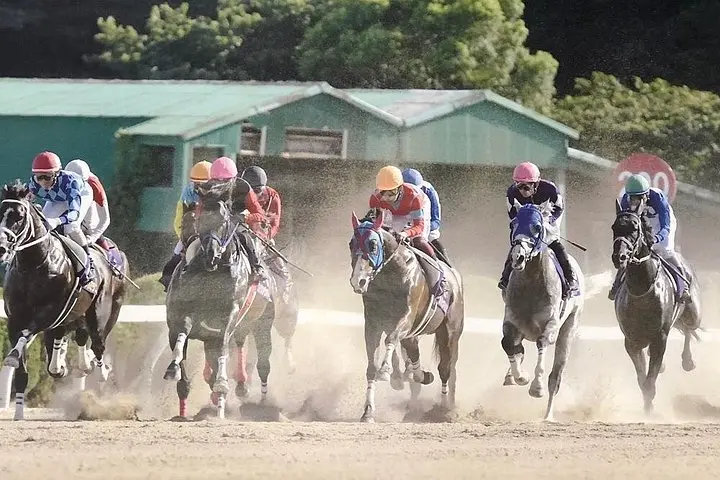
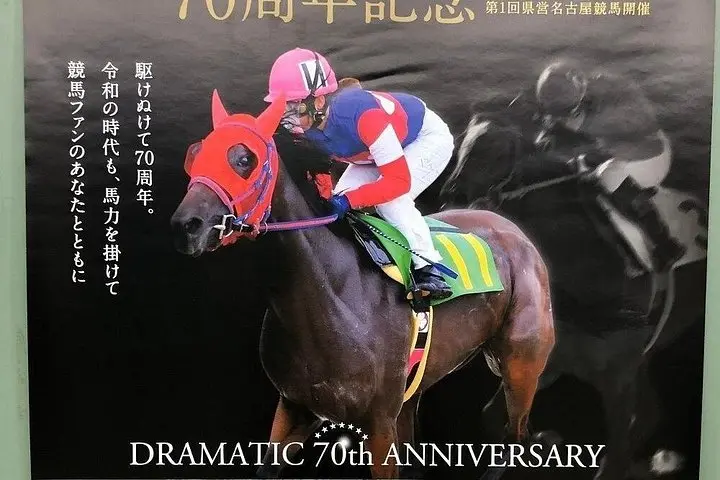
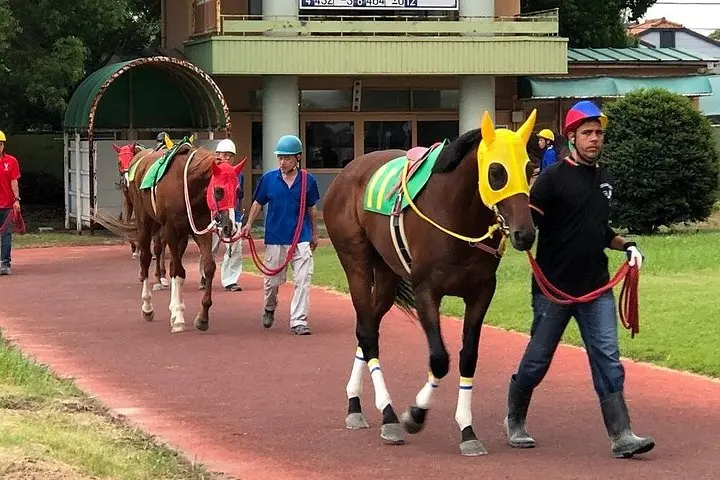
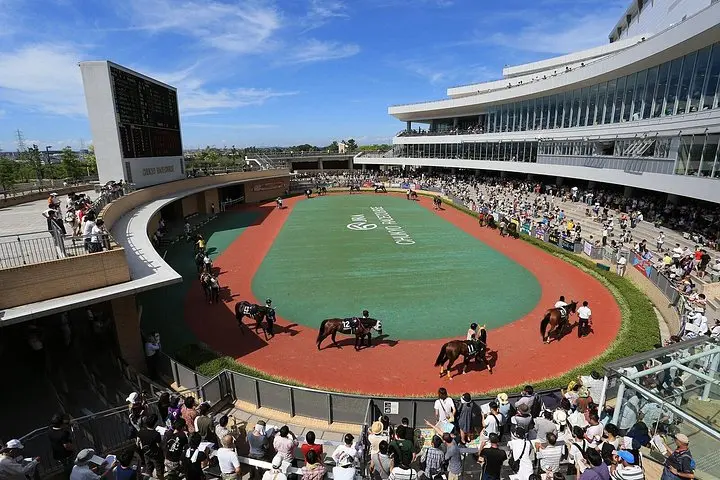
The city hums as neon and announcers collide — you arrive in Nagoya with a guide who steers you through doors most travelers miss. The first stop might be a racecourse where hooves thunder and odds scroll like weather; later, a velodrome where cyclists lean into turns; finally, a pachinko parlor where machines click and lights argue for attention.
The city hums as neon and announcers collide — you arrive in Nagoya with a guide who steers you through doors most travelers miss. The first stop might be a racecourse where hooves thunder and odds scroll like weather; later, a velodrome where cyclists lean into turns; finally, a pachinko parlor where machines click and lights argue for attention.
Gambling in Japan exists in a tightly regulated, civic form: horse racing and keirin (bicycle racing) developed into major spectator sports during the Meiji and postwar eras, while pachinko evolved from mid-20th-century arcade culture. These venues are urban artifacts — concrete grandstands, broadcast towers, and rain-slicked plazas — that reveal modern leisure and community practices more than conspicuous risk.
Expect clear, choreographed rituals: numbered tickets, polite queues, and an emphasis on small-stakes play. Your guide explains how to read the boards, place a 300–1000-yen bet, and interpret payouts. Plan for walking between venues, loud indoor environments, and short windows of intense activity around each race.
Practical notes: bring small bills and a valid ID, wear comfortable shoes for steps and concourses, and leave large or flashy valuables at the hotel. Timing matters — events may not run every day and some venues close on race off-days. If you win, reinvest modestly or use the moment for a celebratory local dinner; if you lose, the experience itself is the takeaway. This is an urban cultural afternoon — equal parts spectacle, social code, and hands-on learning about Japan’s unique regulated gambling scene.