THE ADVENTURE COLLECTIVE® · Independent discovery and booking for outdoor travel

Spend three days watching elephants graze beneath the looming profile of Mount Kilimanjaro. This vehicle-based safari combines early-morning and full-day game drives with lodge stays for intimate wildlife viewing and photography.
Spend three days watching elephants graze beneath the looming profile of Mount Kilimanjaro. This vehicle-based safari combines early-morning and full-day game drives with lodge stays for intimate wildlife viewing and photography.
Dawn in Amboseli arrives cool and sharp, the air carrying dust from the dry plains and the low, distant silhouette of Mount Kilimanjaro daring you to look higher. On a 3-day safari here you move by open 4x4, glass raised, as herds of elephants part the short grass and flocks of pelicans wheel over marshy pans. The light is honest—good for photography, better for seeing animals move.
Verified experiences and guided adventures in the surrounding area.
Operated by Tour Operator Kenya · Amboseli, Kajiado County
Dawn in Amboseli arrives cool and sharp, the air carrying dust from the dry plains and the low, distant silhouette of Mount Kilimanjaro daring you to look higher. On a 3-day safari here you move by open 4x4, glass raised, as herds of elephants part the short grass and flocks of pelicans wheel over marshy pans. The light is honest—good for photography, better for seeing animals move.
Amboseli sits on an ancient, flat basin on Kenya’s southern rift margin; seasonal wetlands and alkaline pans feed hippo pools and attract huge bird concentrations. The Maasai have grazed the fringes for generations and the park’s name—"salty dust"—reflects the mineral-rich soils left by evaporated lakes. Geology and culture converge in wide views and the constant low hum of wildlife.
Practically: the park is about 240 km from Nairobi (roughly a 4–5 hour drive on mostly tarmac and some gravel). Elevation averages near 1,100 m, so acclimatization isn’t required but mornings are cool. Game drives are scheduled early and late when predators and elephants are most active; full-day drives use picnic or lodge lunches. Lodging is typically tented camps or permanent lodges inside or on the park edge.
Plan for sun, dust, and variable mornings—neutral clothing, good binoculars, and a camera with a mid-telephoto lens will make the trip. Respect Maasai land-use, follow park rules, and limit footprint by avoiding single-use plastics. With its close-up elephant encounters and Kilimanjaro-dominant skyline, Amboseli is an exercise in patient observation and high-reward viewing.
Expect about 4–5 hours by road (roughly 240 km), depending on traffic and road conditions.
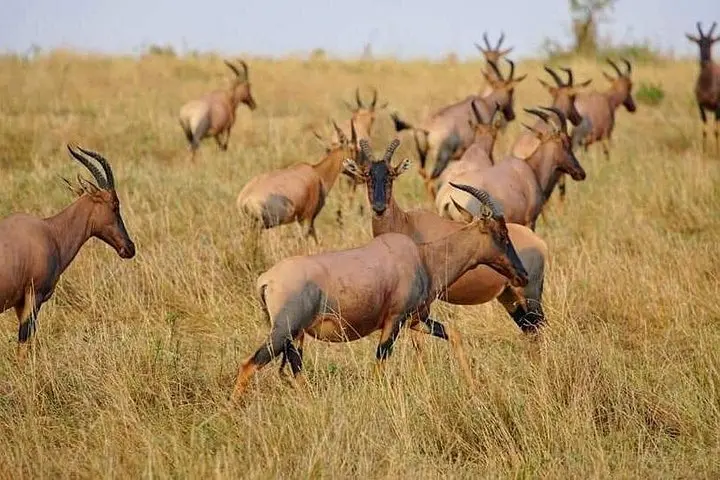
Amboseli is famous for large elephant herds; you’ll also commonly see buffalo, giraffe, impala, hippo, and a variety of birds; predators like lion and cheetah are less frequent but possible.
The tour is vehicle-based and suitable for many ages, but passengers must be able to get in and out of 4x4 vehicles; check lodge accessibility for specific mobility needs.
Dry months (June–October and January–February) offer clearer skies for Kilimanjaro views and reliable game viewing; early mornings have the best light.
Tour Operator Kenya operates guided outdoor trips and adventures with an emphasis on safety, stewardship, and memorable experiences.
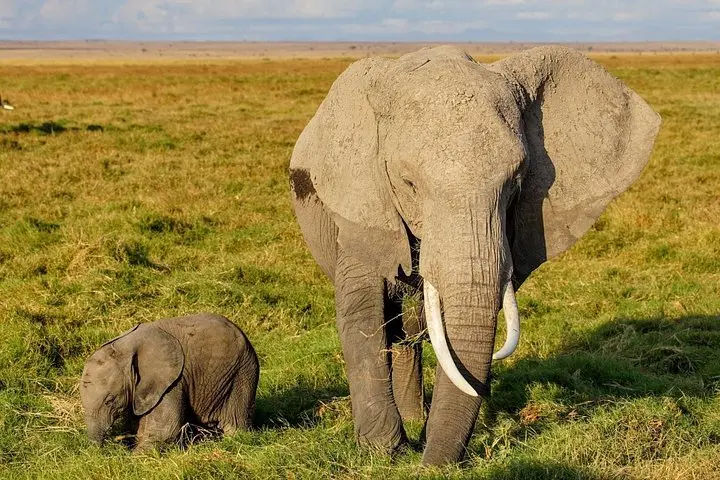
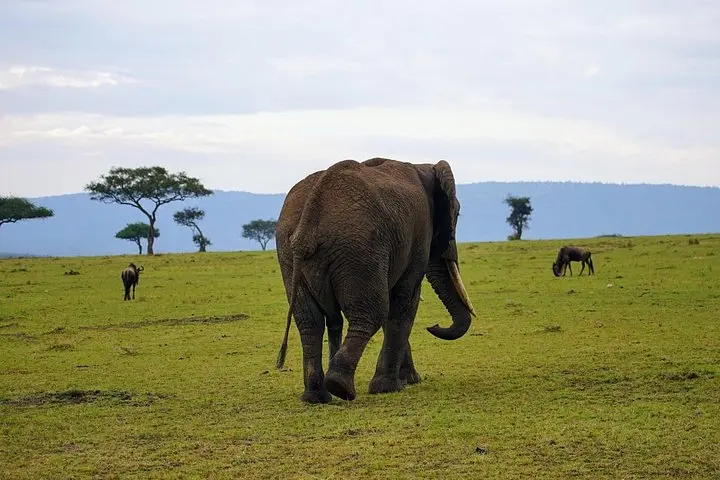
Dawn in Amboseli arrives cool and sharp, the air carrying dust from the dry plains and the low, distant silhouette of Mount Kilimanjaro daring you to look higher. On a 3-day safari here you move by open 4x4, glass raised, as herds of elephants part the short grass and flocks of pelicans wheel over marshy pans. The light is honest—good for photography, better for seeing animals move.
Dawn in Amboseli arrives cool and sharp, the air carrying dust from the dry plains and the low, distant silhouette of Mount Kilimanjaro daring you to look higher. On a 3-day safari here you move by open 4x4, glass raised, as herds of elephants part the short grass and flocks of pelicans wheel over marshy pans. The light is honest—good for photography, better for seeing animals move.
Amboseli sits on an ancient, flat basin on Kenya’s southern rift margin; seasonal wetlands and alkaline pans feed hippo pools and attract huge bird concentrations. The Maasai have grazed the fringes for generations and the park’s name—"salty dust"—reflects the mineral-rich soils left by evaporated lakes. Geology and culture converge in wide views and the constant low hum of wildlife.
Practically: the park is about 240 km from Nairobi (roughly a 4–5 hour drive on mostly tarmac and some gravel). Elevation averages near 1,100 m, so acclimatization isn’t required but mornings are cool. Game drives are scheduled early and late when predators and elephants are most active; full-day drives use picnic or lodge lunches. Lodging is typically tented camps or permanent lodges inside or on the park edge.
Plan for sun, dust, and variable mornings—neutral clothing, good binoculars, and a camera with a mid-telephoto lens will make the trip. Respect Maasai land-use, follow park rules, and limit footprint by avoiding single-use plastics. With its close-up elephant encounters and Kilimanjaro-dominant skyline, Amboseli is an exercise in patient observation and high-reward viewing.