THE ADVENTURE COLLECTIVE® · Independent discovery and booking for outdoor travel

Explore Nairobi through three distinct lenses: industrial history at the Railway Museum, skyline views from KICC’s rooftop, and cultural depth at the National Museum. This guided, 4–6 hour city tour pairs matatu travel with curated exhibits and local lunch.
Explore Nairobi through three distinct lenses: industrial history at the Railway Museum, skyline views from KICC’s rooftop, and cultural depth at the National Museum. This guided, 4–6 hour city tour pairs matatu travel with curated exhibits and local lunch.
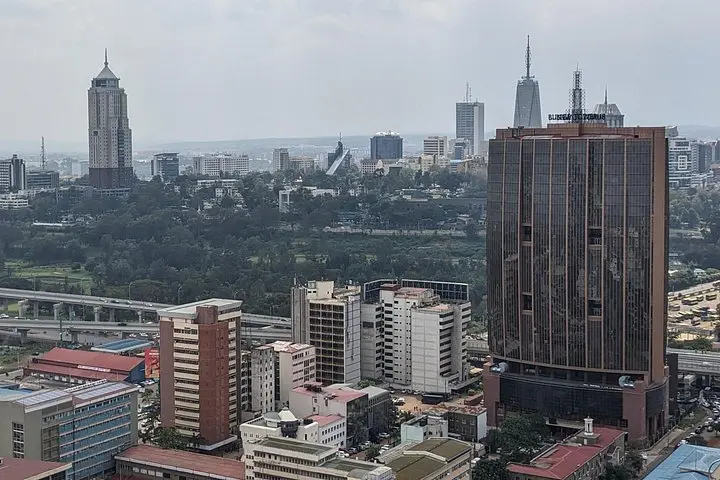
You step off the matatu into a city that moves with a purposeful hum—street vendors calling, diesel and jasmine mingling, and the skyline at the KICC helipad opening like a command center above it all.
Verified experiences and guided adventures in the surrounding area.
Operated by Christine Mukiri · Nairobi, Nairobi County
You step off the matatu into a city that moves with a purposeful hum—street vendors calling, diesel and jasmine mingling, and the skyline at the KICC helipad opening like a command center above it all.
The day begins at the Kenya Railway Museum where rusted locomotives and carriages tell of the Lunatic Express—an engineering push that reshaped colonial-era East Africa and still shapes trade corridors today. From iron rails to concrete spires, the KICC rooftop gives a panorama of Nairobi’s layered growth: colonial blocks, high-rises, and sprawling suburbs pressed against green hills.
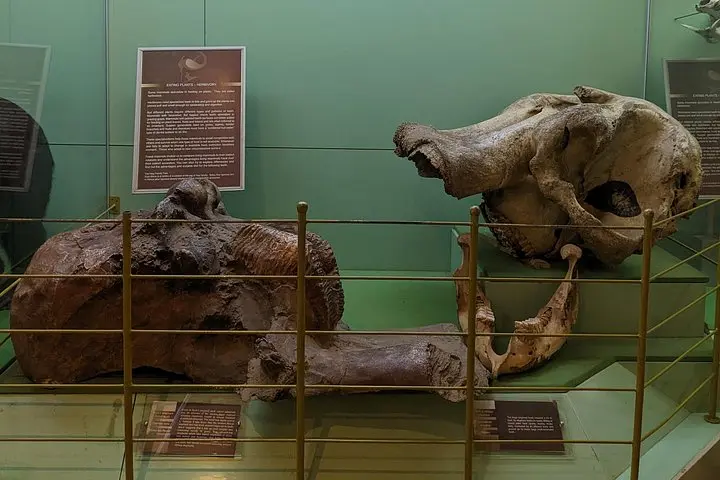
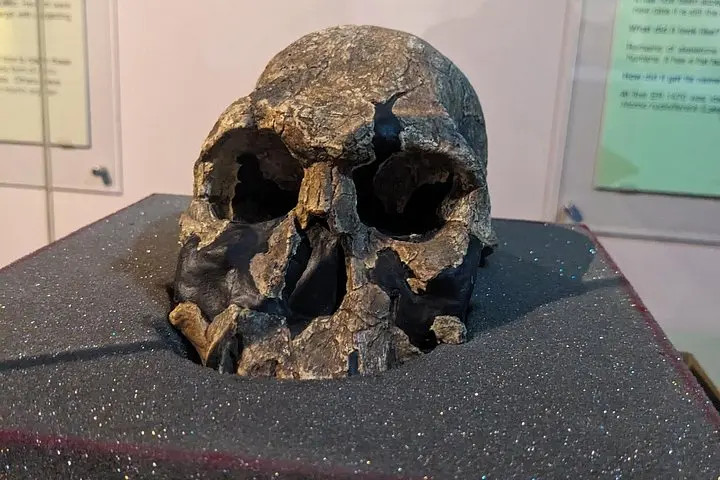
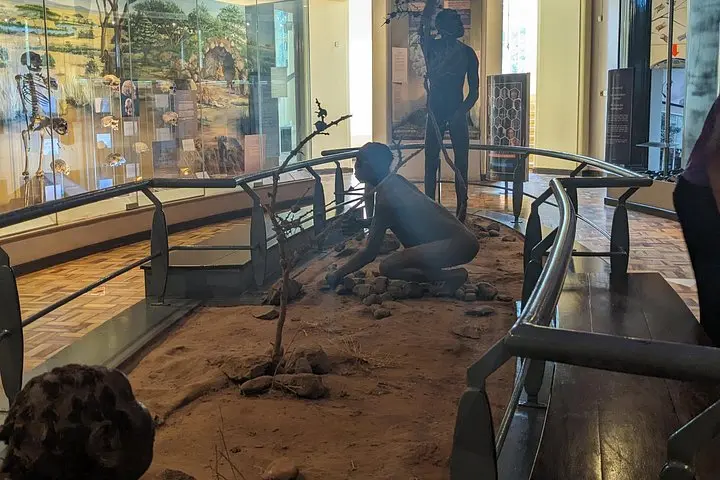
At the National Museum the narrative shifts to deeper time: fossils, the Turkana Boy exhibit, and a human evolution gallery that frames Kenya’s outsized role in anthropology. The Snake Park adds a local, hands-on wildlife element that contextualizes conservation questions visitors will encounter across Kenya.
Culturally, the tour offers a cross-section—matatu culture and street-food flavors sit alongside institutional histories and modern urban planning debates. Geologically, Nairobi occupies a high plateau; the city’s elevation moderates temperature and brings sudden rain in wet months.
Practical guidance: this is a walking tour with several stairs and short walks between sites; expect 4–6 hours on city pavement. Bring a refillable water bottle, sun protection, and small change for matatu fare. Photography is easy at the museums and rooftop; confirm admission requirements ahead, as some sites may require separate tickets. Timing mid-morning avoids the heaviest traffic and makes for the best rooftop light.
Admissions are typically not included—confirm with the operator; visitors should budget for separate entry fees at the Railway Museum and National Museum.
The itinerary lists lunch at an African cuisine restaurant and lunch is included; inform booking of dietary restrictions so the guide can accommodate alternatives.
The tour uses local transport including a matatu for the final transfer—expect brief rides through Nairobi traffic and carry small change.
Yes, but participants should be able to walk short distances and handle stairs; notify operators of mobility needs during booking.
Christine Mukiri operates guided outdoor trips and adventures with an emphasis on safety, stewardship, and memorable experiences.
You step off the matatu into a city that moves with a purposeful hum—street vendors calling, diesel and jasmine mingling, and the skyline at the KICC helipad opening like a command center above it all.
You step off the matatu into a city that moves with a purposeful hum—street vendors calling, diesel and jasmine mingling, and the skyline at the KICC helipad opening like a command center above it all.
The day begins at the Kenya Railway Museum where rusted locomotives and carriages tell of the Lunatic Express—an engineering push that reshaped colonial-era East Africa and still shapes trade corridors today. From iron rails to concrete spires, the KICC rooftop gives a panorama of Nairobi’s layered growth: colonial blocks, high-rises, and sprawling suburbs pressed against green hills.
At the National Museum the narrative shifts to deeper time: fossils, the Turkana Boy exhibit, and a human evolution gallery that frames Kenya’s outsized role in anthropology. The Snake Park adds a local, hands-on wildlife element that contextualizes conservation questions visitors will encounter across Kenya.
Culturally, the tour offers a cross-section—matatu culture and street-food flavors sit alongside institutional histories and modern urban planning debates. Geologically, Nairobi occupies a high plateau; the city’s elevation moderates temperature and brings sudden rain in wet months.
Practical guidance: this is a walking tour with several stairs and short walks between sites; expect 4–6 hours on city pavement. Bring a refillable water bottle, sun protection, and small change for matatu fare. Photography is easy at the museums and rooftop; confirm admission requirements ahead, as some sites may require separate tickets. Timing mid-morning avoids the heaviest traffic and makes for the best rooftop light.