THE ADVENTURE COLLECTIVE® · Independent discovery and booking for outdoor travel

Explore Nairobi’s central business district on a guided half-day walk that combines rooftop views at KICC, visits to Parliament and the Archives, and a market stop for crafts and local street food. Ideal for first-time city visitors who want context and practical navigation.
Explore Nairobi’s central business district on a guided half-day walk that combines rooftop views at KICC, visits to Parliament and the Archives, and a market stop for crafts and local street food. Ideal for first-time city visitors who want context and practical navigation.
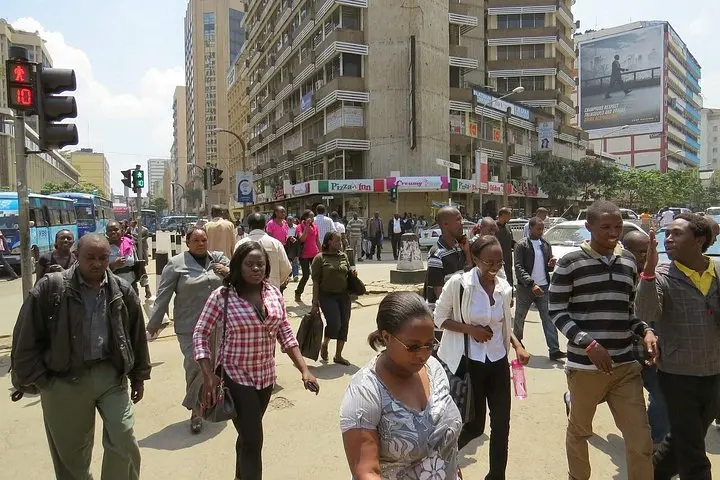
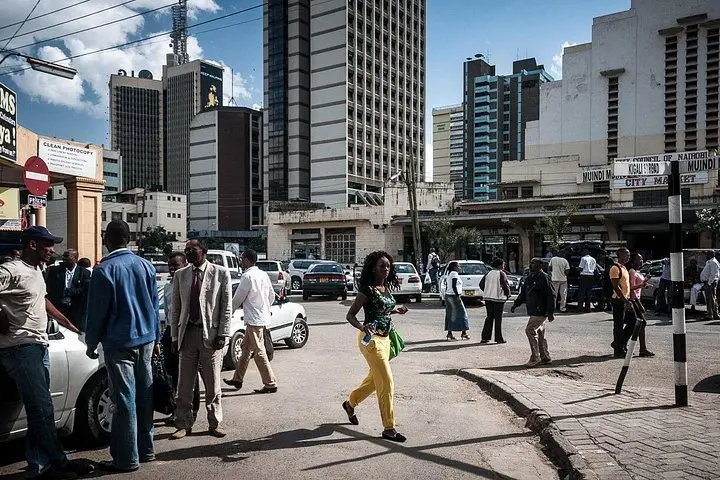
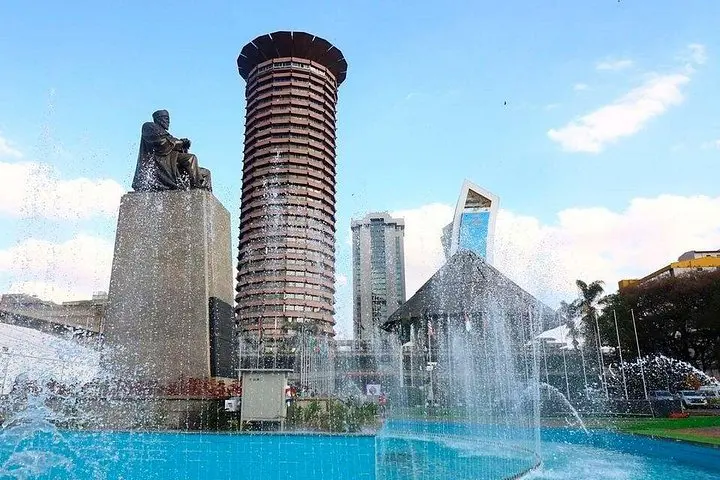
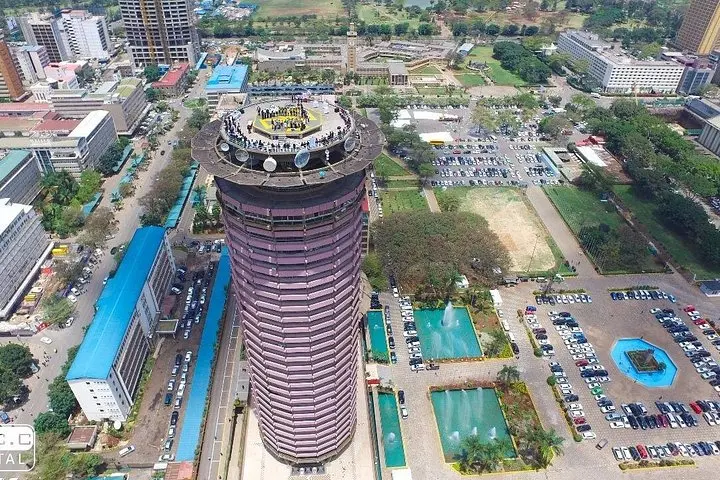
Morning light cuts across Nairobi’s skyline as the group gathers at a hotel lobby and steps into the city’s pulse. The guide threads the group through wide boulevards, past the 28-storey Kenyatta International Conference Centre where the rooftop gives a panoramic, wind-brisked view of concrete and green; below, markets unfold with brass, beadwork and the cadence of bargaining.
Verified experiences and guided adventures in the surrounding area.
Operated by Gracepatt Ecotours Kenya · Nairobi, Nairobi County
Morning light cuts across Nairobi’s skyline as the group gathers at a hotel lobby and steps into the city’s pulse. The guide threads the group through wide boulevards, past the 28-storey Kenyatta International Conference Centre where the rooftop gives a panoramic, wind-brisked view of concrete and green; below, markets unfold with brass, beadwork and the cadence of bargaining.
The walk moves through layers of Nairobi’s past: a colonial-era rail depot that grew into Kenya’s capital, Parliament buildings that chart the nation’s political arc, and the August 7th Memorial Park that marks a modern, painful chapter. Geologically the city sits on the East African Plateau — red volcanic soils and outcrops appear in small parks and cuttings — while Nairobi National Park, visible from KICC on clear days, is a rare wildlife space bordering an urban core.
Culturally the itinerary orients a visitor: the Kenya National Archives, the old “Thorn Tree” post at the Sarova Stanley and the rotating stalls of Maasai and City Market where artisans and vendors trade both goods and stories. Your guide interprets tribal crafts, points out eateries for a mid-day samosa, and keeps the route efficient so the walk fits a half-day window.
Practical notes: wear supportive shoes for paved streets and occasional uneven sidewalks; carry a lightweight layer for blustery rooftop winds; take water and small change for market purchases. Start in the morning to avoid heavier traffic and aim for clear days if rooftop views matter. The tour moves at a steady, accessible pace — urban exploration with local context and no heavy physical demands.
The tour is approximately four hours and covers several short walks between sights at a relaxed, accessible urban pace.
Yes; the tour is family-friendly but infants are expected to sit on an adult’s lap during transfers or crowded stops.
Yes—admission to listed sites such as KICC rooftop and memorial park are included in the tour price.
The guide can explain local pricing and bargaining customs and may help introduce you to reputable vendors, but purchases are up to you.
Gracepatt Ecotours Kenya operates guided outdoor trips and adventures with an emphasis on safety, stewardship, and memorable experiences.
Morning light cuts across Nairobi’s skyline as the group gathers at a hotel lobby and steps into the city’s pulse. The guide threads the group through wide boulevards, past the 28-storey Kenyatta International Conference Centre where the rooftop gives a panoramic, wind-brisked view of concrete and green; below, markets unfold with brass, beadwork and the cadence of bargaining.
Morning light cuts across Nairobi’s skyline as the group gathers at a hotel lobby and steps into the city’s pulse. The guide threads the group through wide boulevards, past the 28-storey Kenyatta International Conference Centre where the rooftop gives a panoramic, wind-brisked view of concrete and green; below, markets unfold with brass, beadwork and the cadence of bargaining.
The walk moves through layers of Nairobi’s past: a colonial-era rail depot that grew into Kenya’s capital, Parliament buildings that chart the nation’s political arc, and the August 7th Memorial Park that marks a modern, painful chapter. Geologically the city sits on the East African Plateau — red volcanic soils and outcrops appear in small parks and cuttings — while Nairobi National Park, visible from KICC on clear days, is a rare wildlife space bordering an urban core.
Culturally the itinerary orients a visitor: the Kenya National Archives, the old “Thorn Tree” post at the Sarova Stanley and the rotating stalls of Maasai and City Market where artisans and vendors trade both goods and stories. Your guide interprets tribal crafts, points out eateries for a mid-day samosa, and keeps the route efficient so the walk fits a half-day window.
Practical notes: wear supportive shoes for paved streets and occasional uneven sidewalks; carry a lightweight layer for blustery rooftop winds; take water and small change for market purchases. Start in the morning to avoid heavier traffic and aim for clear days if rooftop views matter. The tour moves at a steady, accessible pace — urban exploration with local context and no heavy physical demands.