
Nairobi Cultural & Historical City Tour: Museums, Markets, and Local Life
Spend a day moving from the Nairobi National Museum to rooftop city views and women-led bead studios with a local guide. This private, accessible tour mixes history, conservation, and hands-on cultural encounters in one organized itinerary.
An Adventure In Nairobi.
Spend a day moving from the Nairobi National Museum to rooftop city views and women-led bead studios with a local guide. This private, accessible tour mixes history, conservation, and hands-on cultural encounters in one organized itinerary.
Read the full experience
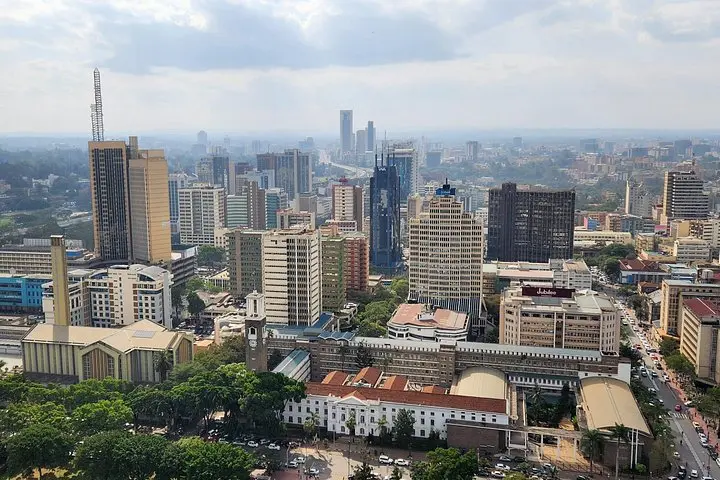
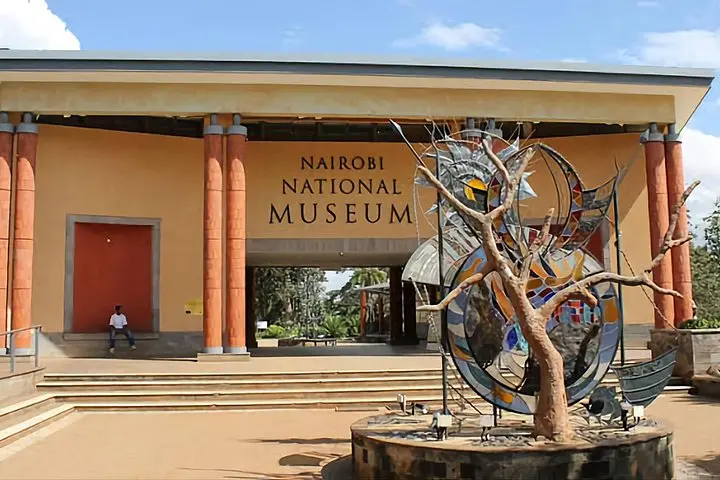
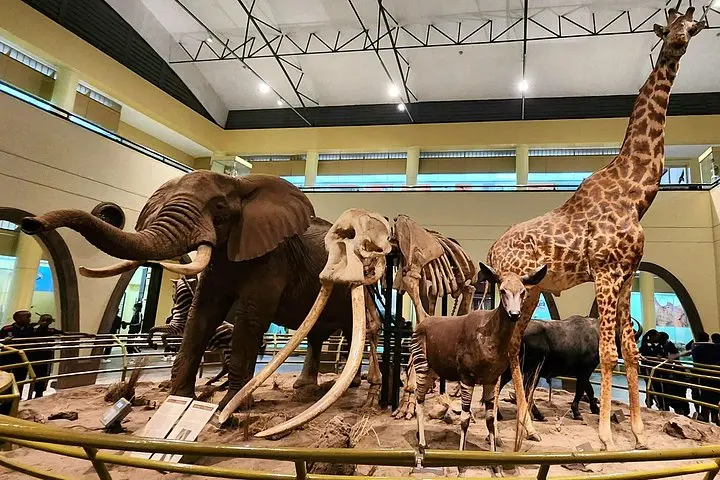
You step off the car into a city that moves with purpose: traffic hums along Harambee Avenue, the Nairobi National Museum presides on Museum Hill, and the open lawns of Uhuru Park breathe green into the downtown heat. Your guide points out Ahmed the elephant at the museum—a proximate reminder of Kenya’s conservation struggles—while the skyline of KICC frames the urban sprawl beyond.
You step off the car into a city that moves with purpose: traffic hums along Harambee Avenue, the Nairobi National Museum presides on Museum Hill, and the open lawns of Uhuru Park breathe green into the downtown heat. Your guide points out Ahmed the elephant at the museum—a proximate reminder of Kenya’s conservation struggles—while the skyline of KICC frames the urban sprawl beyond.
Nairobi began as a railway depot on the Uganda Railway in the late 19th century and grew rapidly under colonial administration. The city sits on the Nairobi Plateau near the eastern edge of the Great Rift Valley; its soils and nearby Ngong Hills shaped settlement and agriculture. Nairobi’s culture is a living mosaic of Kenya’s 53 communities—spoken in markets, ceramic beads and traditional dances at cultural centers.
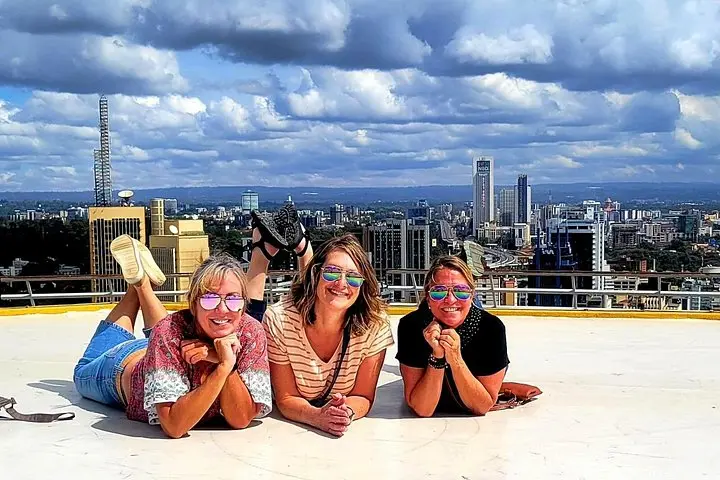
On this full-day, private tour you’ll move from curated galleries and hominid fossils to a rooftop view from the KICC, then into neighborhoods where ceramic workshops and Utamaduni crafts reveal contemporary livelihoods. The August 7th Memorial provides a sober counterpoint to the city’s bustle; the beads factory speaks to local entrepreneurship and female-led recovery.
Practical guidance: expect 6–7 hours of mostly flat, walkable urban terrain with several short indoor visits. Midday traffic can stretch transfer times—plan morning starts. Carry a lightweight rain layer during the long and short rains, bring local currency for small purchases, wear sturdy shoes for uneven sidewalks, and leave single-use plastics at home to minimize impact. This tour pairs cultural depth with clear logistics—perfect for travelers who want context as they walk through a dynamic capital.
Frequently asked questions
Yes—pick up and drop off at your hotel or residence in Nairobi are included in the tour price.
The tour notes indicate wheelchair accessibility for many areas, though some historic sites may have limited access—confirm specific needs when booking.
Lunch is optional; the itinerary includes a break where you can eat at a local restaurant or café at your expense.
Guides typically speak English; inquire about additional language needs at booking to confirm availability.
About This Experience
Rustic Nature Tours operates guided outdoor trips and adventures with an emphasis on safety, stewardship, and memorable experiences.
Adventure tips
Recommended gear
- Comfortable walking shoes: Supportive shoes for city streets and short walking transfers between sites.
- Reusable water bottle: Staying hydrated is crucial in Nairobi’s warm microclimate; guides provide bottled water but a refillable bottle reduces waste.
- Light rain jacket: Useful during the long rains (Mar–May); compact and breathable for sudden showers.
- Sun hat and sunscreen: Protects against strong equatorial sun during open-air rooftop and park stops.
Photos of the experience
Related adventures & guides
Read the full experience
You step off the car into a city that moves with purpose: traffic hums along Harambee Avenue, the Nairobi National Museum presides on Museum Hill, and the open lawns of Uhuru Park breathe green into the downtown heat. Your guide points out Ahmed the elephant at the museum—a proximate reminder of Kenya’s conservation struggles—while the skyline of KICC frames the urban sprawl beyond.
You step off the car into a city that moves with purpose: traffic hums along Harambee Avenue, the Nairobi National Museum presides on Museum Hill, and the open lawns of Uhuru Park breathe green into the downtown heat. Your guide points out Ahmed the elephant at the museum—a proximate reminder of Kenya’s conservation struggles—while the skyline of KICC frames the urban sprawl beyond.
Nairobi began as a railway depot on the Uganda Railway in the late 19th century and grew rapidly under colonial administration. The city sits on the Nairobi Plateau near the eastern edge of the Great Rift Valley; its soils and nearby Ngong Hills shaped settlement and agriculture. Nairobi’s culture is a living mosaic of Kenya’s 53 communities—spoken in markets, ceramic beads and traditional dances at cultural centers.
On this full-day, private tour you’ll move from curated galleries and hominid fossils to a rooftop view from the KICC, then into neighborhoods where ceramic workshops and Utamaduni crafts reveal contemporary livelihoods. The August 7th Memorial provides a sober counterpoint to the city’s bustle; the beads factory speaks to local entrepreneurship and female-led recovery.
Practical guidance: expect 6–7 hours of mostly flat, walkable urban terrain with several short indoor visits. Midday traffic can stretch transfer times—plan morning starts. Carry a lightweight rain layer during the long and short rains, bring local currency for small purchases, wear sturdy shoes for uneven sidewalks, and leave single-use plastics at home to minimize impact. This tour pairs cultural depth with clear logistics—perfect for travelers who want context as they walk through a dynamic capital.
Make a day of it nearby.
Verified experiences and guided adventures in the surrounding area.