THE ADVENTURE COLLECTIVE® · Independent discovery and booking for outdoor travel

Ride through Karura Forest’s bamboo lanes and riverside tracks for an urban horseback adventure that often brings you close to bushbucks, monkeys and shy forest mammals. Guided routes suit beginners and experienced riders, with canters on designated stretches.
Ride through Karura Forest’s bamboo lanes and riverside tracks for an urban horseback adventure that often brings you close to bushbucks, monkeys and shy forest mammals. Guided routes suit beginners and experienced riders, with canters on designated stretches.
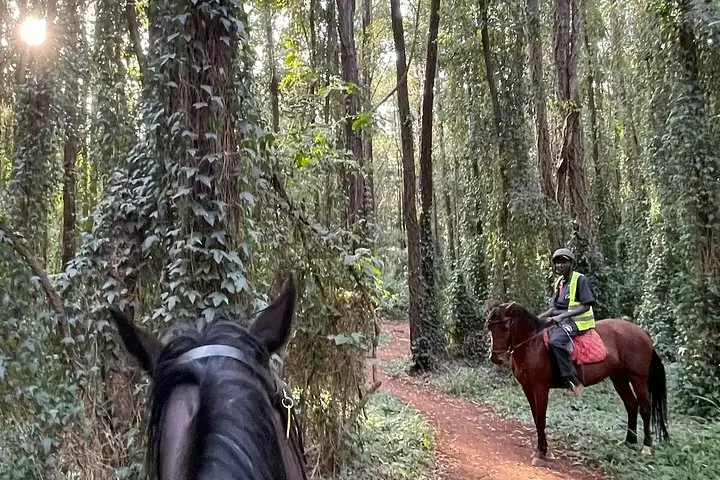
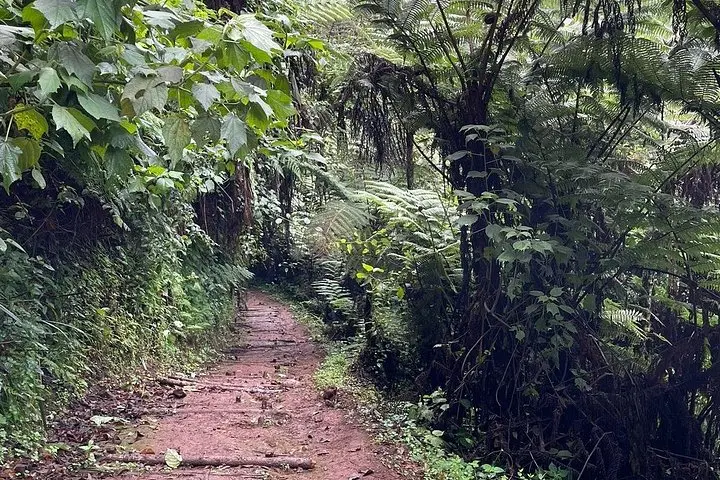
Dawn filters through a stand of figs and bamboo as hooves scatter leaves on a narrow track — the city sounds shrink and the forest begins to speak. On this Karura Forest horseback route, riders move past ponds and shallow streams that dare you to look closer, along ridgelines exposing red volcanic soils and cool, shaded gullies where Sykes monkeys chatter overhead.
Verified experiences and guided adventures in the surrounding area.
Operated by AKSHAR · Nairobi, Nairobi County
Dawn filters through a stand of figs and bamboo as hooves scatter leaves on a narrow track — the city sounds shrink and the forest begins to speak. On this Karura Forest horseback route, riders move past ponds and shallow streams that dare you to look closer, along ridgelines exposing red volcanic soils and cool, shaded gullies where Sykes monkeys chatter overhead.
Karura is an urban forest with a modern conservation story: protected through community action and high-profile campaigns in the 1990s, it’s now a managed green lung inside Nairobi. The ground is shaped by Nairobi’s volcanic geology — compacted basalt and iron-rich soils that channel small streams into clear pools and occasional waterfalls. Local culture treats Karura as both a recreational park and a place of quiet ceremony; you’ll see morning joggers, birdwatchers and small ritual offerings at notable fig trees.
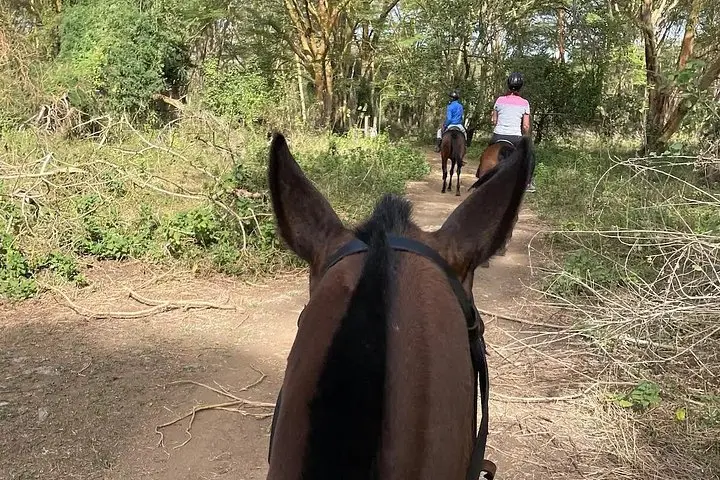
Expect a mix of flat sandy tracks and tighter forest singletrack. Guides set pace: experienced riders can canter on designated stretches; beginners follow lead-horse routes with one-on-one guidance. Wildlife encounters are common but brief — animals keep their distance; the guides know where to slow down.
Practicals: rides typically run 1.5–2.5 hours depending on pace, helmets are provided, and bookings require ID and weight details. The forest restricts this experience on weekends and public holidays, so plan weekdays for availability. Bring closed-toe shoes, a light rain layer in rainy months, and water — the trails can be deceptively warm in open sections. This is an accessible, city-close introduction to trail riding with real wildlife and genuine forest character.
Yes—novice riders follow a guide-led route with the guide holding the horse when needed; experienced guests can canter on designated stretches.
This experience is generally not permitted on weekends and public holidays in Karura Forest; check availability for weekday departures.
Bookings require age information and weight details to match riders with appropriate horses; operators may set safety-based limits—check before booking.
Wildlife sightings (Sykes monkeys, bushbuck, genets, porcupines) are common but depend on time of day and noise levels—animals usually keep to the undergrowth.
AKSHAR operates guided outdoor trips and adventures with an emphasis on safety, stewardship, and memorable experiences.
Dawn filters through a stand of figs and bamboo as hooves scatter leaves on a narrow track — the city sounds shrink and the forest begins to speak. On this Karura Forest horseback route, riders move past ponds and shallow streams that dare you to look closer, along ridgelines exposing red volcanic soils and cool, shaded gullies where Sykes monkeys chatter overhead.
Dawn filters through a stand of figs and bamboo as hooves scatter leaves on a narrow track — the city sounds shrink and the forest begins to speak. On this Karura Forest horseback route, riders move past ponds and shallow streams that dare you to look closer, along ridgelines exposing red volcanic soils and cool, shaded gullies where Sykes monkeys chatter overhead.
Karura is an urban forest with a modern conservation story: protected through community action and high-profile campaigns in the 1990s, it’s now a managed green lung inside Nairobi. The ground is shaped by Nairobi’s volcanic geology — compacted basalt and iron-rich soils that channel small streams into clear pools and occasional waterfalls. Local culture treats Karura as both a recreational park and a place of quiet ceremony; you’ll see morning joggers, birdwatchers and small ritual offerings at notable fig trees.
Expect a mix of flat sandy tracks and tighter forest singletrack. Guides set pace: experienced riders can canter on designated stretches; beginners follow lead-horse routes with one-on-one guidance. Wildlife encounters are common but brief — animals keep their distance; the guides know where to slow down.
Practicals: rides typically run 1.5–2.5 hours depending on pace, helmets are provided, and bookings require ID and weight details. The forest restricts this experience on weekends and public holidays, so plan weekdays for availability. Bring closed-toe shoes, a light rain layer in rainy months, and water — the trails can be deceptively warm in open sections. This is an accessible, city-close introduction to trail riding with real wildlife and genuine forest character.