THE ADVENTURE COLLECTIVE® · Independent discovery and booking for outdoor travel

Experience the thrill of wildlife viewing just minutes from Nairobi’s urban core. Nairobi National Park blends diverse ecosystems and iconic species, all framed by the city skyline. Here’s what you need to know to plan your half- or full-day safari adventure.
Experience the thrill of wildlife viewing just minutes from Nairobi’s urban core. Nairobi National Park blends diverse ecosystems and iconic species, all framed by the city skyline. Here’s what you need to know to plan your half- or full-day safari adventure.
Just seven kilometers from the dizzying skyscrapers of Nairobi’s city center, Nairobi National Park offers an extraordinary safari experience. Here, relentless urban energy gives way to open grass plains and scattered acacia trees, where wildlife moves unperturbed against the city’s jagged skyline. The park’s proximity means the honking horns and busy streets linger faintly, but the vast plains and forested patches quickly reclaim your focus. Lions lounge in the shade, rhinos graze warily, and elegant giraffes stride purposefully across the terrain, daring you to track their movement through the tall grasses.
Verified experiences and guided adventures in the surrounding area.
Operated by Gracepatt Ecotours Kenya · Nairobi
Just seven kilometers from the dizzying skyscrapers of Nairobi’s city center, Nairobi National Park offers an extraordinary safari experience. Here, relentless urban energy gives way to open grass plains and scattered acacia trees, where wildlife moves unperturbed against the city’s jagged skyline. The park’s proximity means the honking horns and busy streets linger faintly, but the vast plains and forested patches quickly reclaim your focus. Lions lounge in the shade, rhinos graze warily, and elegant giraffes stride purposefully across the terrain, daring you to track their movement through the tall grasses.
Established in 1946, Nairobi National Park is Kenya’s oldest national park and a testament to conservation efforts near expanding urban areas. Its geology varies from flat plains to rocky valleys and gorges, interspersed with dense forest pockets sheltering over 300 bird species—Secretary birds stalk the grasslands, crowned cranes flourish by waterholes, and vultures patrol the thermals above. Unlike sprawling wilderness reserves, this park balances ecosystem preservation with accessibility, giving visitors a unique chance to witness Africa’s Big Five—minus the elephants—while city life hums nearby.
The tour usually spans four hours in a customized safari vehicle equipped with a pop-up roof, offering uninterrupted views and photography opportunities. A professional guide navigates the terrain and shares insights about animal behavior, conservation challenges, and the park’s history. Morning tours often catch predators like lions and cheetahs in early activity, while afternoons highlight birdwatching or relaxed herbivores settling into shade. The terrain mainly consists of open plains and forgiving bushland, making it accessible for travelers of all fitness levels.
Practical planning involves hotel pickup and dropoff within Nairobi, eliminating the need for additional transport logistics. Wear breathable, neutral-colored clothing to blend with the environment and comfortable closed-toe shoes for occasional ground-level viewing spots. Carry sunscreen, a wide-brimmed hat, and binoculars to enhance game spotting. Bring a jacket for the early morning chill, and plan to stay hydrated—bottled water is provided during the tour.
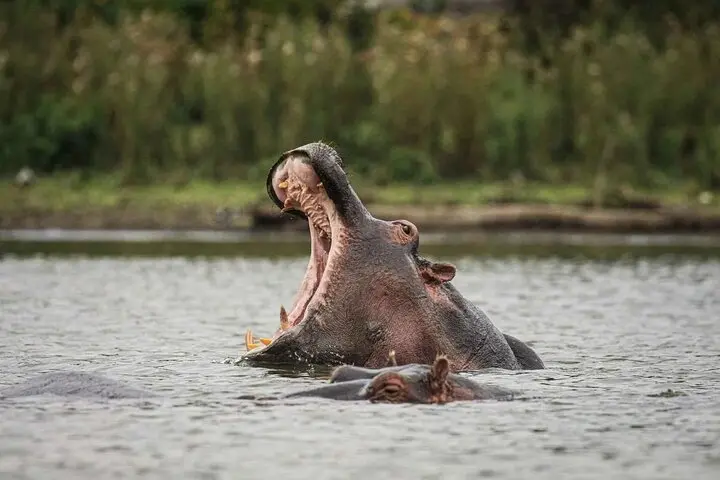
Though wildlife sightings can never be guaranteed, the park’s density ensures consistent encounters with zebras, buffalo, gazelles, and if luck allows, elusive rhinos and lions. The nearby capital supports eco-tourism efforts focused on habitat preservation and sustainable visitor practices. Nairobi National Park’s juxtaposition of wilderness and cityscape tests the narrative of distance, inviting travelers to explore nature’s resilience within reach of urban bustle.
The park is located about 7 kilometers from Nairobi’s central business district, making it easily accessible for half-day or full-day tours.
You can expect sightings of four of the Big Five including lions, rhinos, buffalo, and leopards, along with giraffes, zebras, antelopes, and over 300 bird species.
Yes, the safari is gentle and vehicle-based, suitable for all ages and fitness levels, though infants must sit on an adult’s lap.
Morning hours are best for active wildlife, especially predators, while afternoons offer birdwatching and calmer animal activity.
The tour provides bottled water but does not include meals, so plan accordingly if you require food during your visit.
Neutral-colored, lightweight clothing with sun protection is recommended, along with comfortable closed-toe shoes and a hat.
Gracepatt Ecotours Kenya operates guided outdoor trips and adventures with an emphasis on safety, stewardship, and memorable experiences.
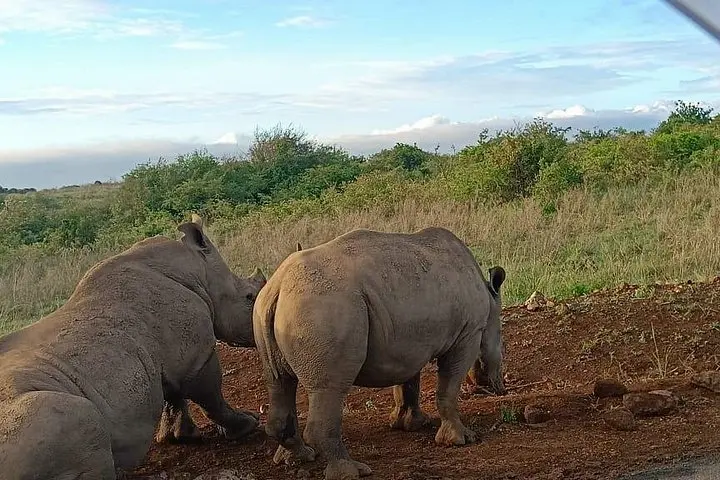
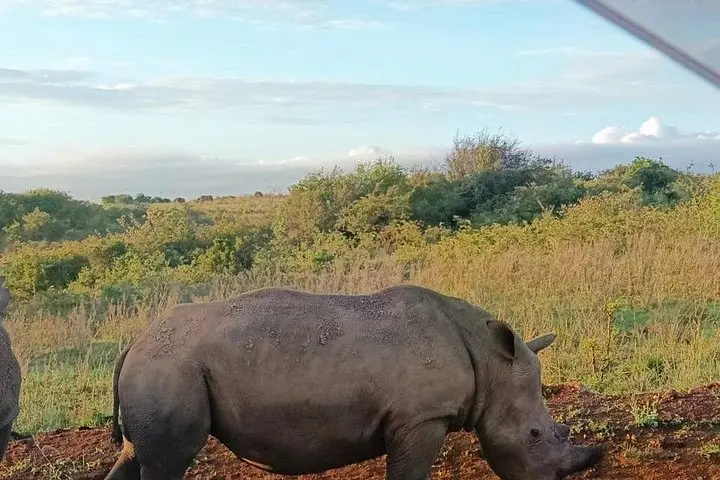
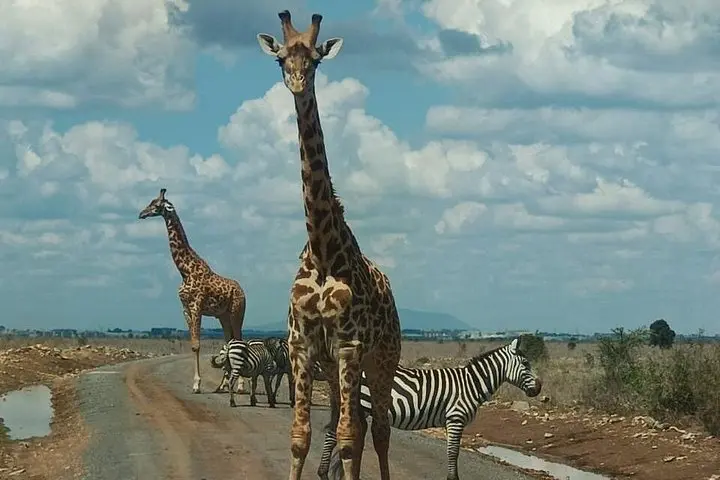
Just seven kilometers from the dizzying skyscrapers of Nairobi’s city center, Nairobi National Park offers an extraordinary safari experience. Here, relentless urban energy gives way to open grass plains and scattered acacia trees, where wildlife moves unperturbed against the city’s jagged skyline. The park’s proximity means the honking horns and busy streets linger faintly, but the vast plains and forested patches quickly reclaim your focus. Lions lounge in the shade, rhinos graze warily, and elegant giraffes stride purposefully across the terrain, daring you to track their movement through the tall grasses.
Just seven kilometers from the dizzying skyscrapers of Nairobi’s city center, Nairobi National Park offers an extraordinary safari experience. Here, relentless urban energy gives way to open grass plains and scattered acacia trees, where wildlife moves unperturbed against the city’s jagged skyline. The park’s proximity means the honking horns and busy streets linger faintly, but the vast plains and forested patches quickly reclaim your focus. Lions lounge in the shade, rhinos graze warily, and elegant giraffes stride purposefully across the terrain, daring you to track their movement through the tall grasses.
Established in 1946, Nairobi National Park is Kenya’s oldest national park and a testament to conservation efforts near expanding urban areas. Its geology varies from flat plains to rocky valleys and gorges, interspersed with dense forest pockets sheltering over 300 bird species—Secretary birds stalk the grasslands, crowned cranes flourish by waterholes, and vultures patrol the thermals above. Unlike sprawling wilderness reserves, this park balances ecosystem preservation with accessibility, giving visitors a unique chance to witness Africa’s Big Five—minus the elephants—while city life hums nearby.
The tour usually spans four hours in a customized safari vehicle equipped with a pop-up roof, offering uninterrupted views and photography opportunities. A professional guide navigates the terrain and shares insights about animal behavior, conservation challenges, and the park’s history. Morning tours often catch predators like lions and cheetahs in early activity, while afternoons highlight birdwatching or relaxed herbivores settling into shade. The terrain mainly consists of open plains and forgiving bushland, making it accessible for travelers of all fitness levels.
Practical planning involves hotel pickup and dropoff within Nairobi, eliminating the need for additional transport logistics. Wear breathable, neutral-colored clothing to blend with the environment and comfortable closed-toe shoes for occasional ground-level viewing spots. Carry sunscreen, a wide-brimmed hat, and binoculars to enhance game spotting. Bring a jacket for the early morning chill, and plan to stay hydrated—bottled water is provided during the tour.
Though wildlife sightings can never be guaranteed, the park’s density ensures consistent encounters with zebras, buffalo, gazelles, and if luck allows, elusive rhinos and lions. The nearby capital supports eco-tourism efforts focused on habitat preservation and sustainable visitor practices. Nairobi National Park’s juxtaposition of wilderness and cityscape tests the narrative of distance, inviting travelers to explore nature’s resilience within reach of urban bustle.