THE ADVENTURE COLLECTIVE® · Independent discovery and booking for outdoor travel

A focused 2.5-hour guided walk through Nairobi’s streets, markets and parks that blends colonial history, local craftsmanship and practical city insights. Perfect for travelers who want a compact, sensory introduction to the capital.
A focused 2.5-hour guided walk through Nairobi’s streets, markets and parks that blends colonial history, local craftsmanship and practical city insights. Perfect for travelers who want a compact, sensory introduction to the capital.
You step off the pavement and into a city that moves in layers—street vendors hawk handcrafted beadwork, jacaranda trees shade the sidewalks, and the distant hum of matatus threads through market chatter. The walk moves briskly but without rush; roofs, parks and colonial facades open like chapters as a guide folds Nairobi’s story into view.
Verified experiences and guided adventures in the surrounding area.
Operated by John · Nairobi, Nairobi County
You step off the pavement and into a city that moves in layers—street vendors hawk handcrafted beadwork, jacaranda trees shade the sidewalks, and the distant hum of matatus threads through market chatter. The walk moves briskly but without rush; roofs, parks and colonial facades open like chapters as a guide folds Nairobi’s story into view.
Historically, Nairobi grew from a late-19th-century railway depot into Kenya’s capital, a crossroads of colonial planning and post-independence energy. Geologically the city sits on a high plateau at roughly 1,795 meters, which keeps temperatures moderate even when the sun pushes at the horizon. Culturally the route highlights Somali and Indian influences in cuisine and mosques, Kikuyu and Maasai craftsmanship in market stalls, and the educational pulse around university buildings.
Expect stops at a major mosque, a 1929 memorial library, two busy artisan markets showcasing Maasai beadwork, the city’s oldest university precinct and a central park that gives a quick green lung to the center. A rooftop viewpoint offers a wide, pragmatic orientation of Nairobi’s grid and skyline—the best vantage before you dive back into streets.
Practical guidance: schedule this walk for morning to avoid heat and peak traffic; bring local currency for small purchases, a refillable water bottle, and comfortable walking shoes. The route is flat to gently rolling and suitable for most fitness levels; wear sunscreen and carry small change. Guides are typically multilingual and will navigate crowds and transit access—follow their timing when moving between stops.
This is a walk for curious travelers who want sensory, historical and practical context—an efficient primer on Nairobi’s public life and everyday culture.
The tour lasts about 160 minutes (roughly 2 hours 40 minutes) at a moderate, conversational pace with regular stops for explanation and photos.
Yes—this route is classified as easy and is suitable for most ages; caregivers should note there are periods of standing and some walking on uneven pavement.
Many small vendors prefer Kenyan shillings; credit cards are not widely accepted in street markets, so carry small notes and coins.
Most stops are external viewpoints, markets and parks; admission is not typically required for the included highlights.
John operates guided outdoor trips and adventures with an emphasis on safety, stewardship, and memorable experiences.
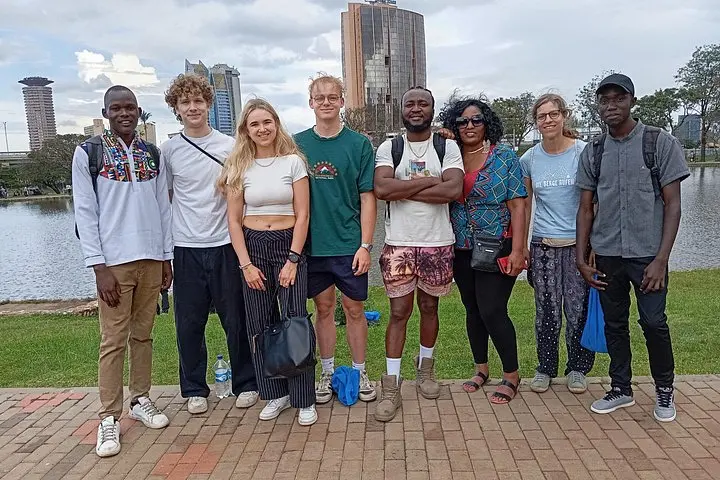
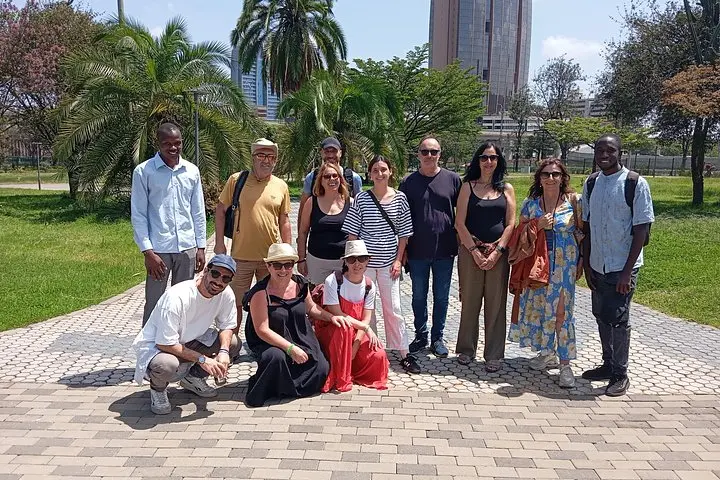


You step off the pavement and into a city that moves in layers—street vendors hawk handcrafted beadwork, jacaranda trees shade the sidewalks, and the distant hum of matatus threads through market chatter. The walk moves briskly but without rush; roofs, parks and colonial facades open like chapters as a guide folds Nairobi’s story into view.
You step off the pavement and into a city that moves in layers—street vendors hawk handcrafted beadwork, jacaranda trees shade the sidewalks, and the distant hum of matatus threads through market chatter. The walk moves briskly but without rush; roofs, parks and colonial facades open like chapters as a guide folds Nairobi’s story into view.
Historically, Nairobi grew from a late-19th-century railway depot into Kenya’s capital, a crossroads of colonial planning and post-independence energy. Geologically the city sits on a high plateau at roughly 1,795 meters, which keeps temperatures moderate even when the sun pushes at the horizon. Culturally the route highlights Somali and Indian influences in cuisine and mosques, Kikuyu and Maasai craftsmanship in market stalls, and the educational pulse around university buildings.
Expect stops at a major mosque, a 1929 memorial library, two busy artisan markets showcasing Maasai beadwork, the city’s oldest university precinct and a central park that gives a quick green lung to the center. A rooftop viewpoint offers a wide, pragmatic orientation of Nairobi’s grid and skyline—the best vantage before you dive back into streets.
Practical guidance: schedule this walk for morning to avoid heat and peak traffic; bring local currency for small purchases, a refillable water bottle, and comfortable walking shoes. The route is flat to gently rolling and suitable for most fitness levels; wear sunscreen and carry small change. Guides are typically multilingual and will navigate crowds and transit access—follow their timing when moving between stops.
This is a walk for curious travelers who want sensory, historical and practical context—an efficient primer on Nairobi’s public life and everyday culture.