THE ADVENTURE COLLECTIVE® · Independent discovery and booking for outdoor travel

Spend a single day sampling Nairobi’s wildlife and cultural scene: interpretive trails at the Safari Walk, rescued animals at the orphanage, and traditional dance at the Bomas of Kenya. This guide outlines what to expect and how to prepare for a compact, informative tour.
Spend a single day sampling Nairobi’s wildlife and cultural scene: interpretive trails at the Safari Walk, rescued animals at the orphanage, and traditional dance at the Bomas of Kenya. This guide outlines what to expect and how to prepare for a compact, informative tour.
You step out of your Nairobi hotel into dry, warm air and the city’s edge loosens: grassland and scrub push up against the urban grid, and the neighborly roar of a distant lion seems impossibly close.
Verified experiences and guided adventures in the surrounding area.
Operated by Sabilom Kenya Tours & Safaris · Nairobi, Nairobi County
You step out of your Nairobi hotel into dry, warm air and the city’s edge loosens: grassland and scrub push up against the urban grid, and the neighborly roar of a distant lion seems impossibly close.
This full-day circuit moves from the Nairobi Safari Walk’s shaded interpretive paths to the Nairobi Animal Orphanage’s rehabilitation enclosures, finishing with the drumming and dance of the Bomas of Kenya. The park was set aside to protect wildlife against urban sprawl, and the Safari Walk doubles as a living classroom — raised boardwalks and sisal-built features frame displays of local trees and rescued species so you learn before you see.
Bomas of Kenya furthers a different kind of preservation: in one compound you’ll see replicated homesteads and multi-tribal performance that trace cultural practices and music across Kenya’s communities. Together the three stops compress weeks of fieldwork and cultural visits into a single, accessible day.
Practical guidance: the tour includes pickup and a five-hour itinerary with moderate walking on uneven paths and concrete. Bring sun protection, water, and modest clothing for the cultural performance. Expect short guided talks at each stop, chances for close-but-safe animal viewing, and an optional local lunch near the Bomas.
Timing is everything — mornings are cooler for the animals and produced demonstrations at the Bomas tend to run in the afternoon — so plan a mid-week visit if you prefer fewer crowds and a clearer look at the enclosures and cultural showcases.
Yes — the tour typically includes hotel pickup and drop-off within central Nairobi; confirm your pickup point when booking.
Yes — the standard tour price includes admission to the Safari Walk, Animal Orphanage and Bomas of Kenya as described by the operator.
No — lunch is optional and at your own expense; there are nearby restaurants and canteens at the Bomas area.
Generally yes—it's listed as physically easy; infants must sit on laps and close supervision is required around animal enclosures.
Sabilom Kenya Tours & Safaris operates guided outdoor trips and adventures with an emphasis on safety, stewardship, and memorable experiences.

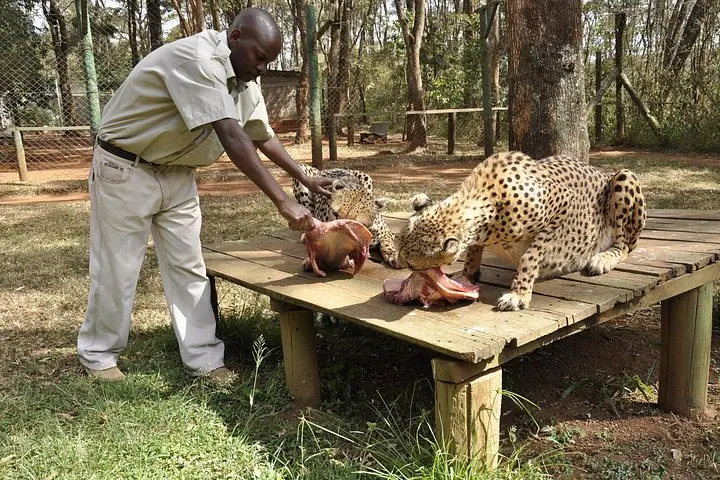


You step out of your Nairobi hotel into dry, warm air and the city’s edge loosens: grassland and scrub push up against the urban grid, and the neighborly roar of a distant lion seems impossibly close.
You step out of your Nairobi hotel into dry, warm air and the city’s edge loosens: grassland and scrub push up against the urban grid, and the neighborly roar of a distant lion seems impossibly close.
This full-day circuit moves from the Nairobi Safari Walk’s shaded interpretive paths to the Nairobi Animal Orphanage’s rehabilitation enclosures, finishing with the drumming and dance of the Bomas of Kenya. The park was set aside to protect wildlife against urban sprawl, and the Safari Walk doubles as a living classroom — raised boardwalks and sisal-built features frame displays of local trees and rescued species so you learn before you see.
Bomas of Kenya furthers a different kind of preservation: in one compound you’ll see replicated homesteads and multi-tribal performance that trace cultural practices and music across Kenya’s communities. Together the three stops compress weeks of fieldwork and cultural visits into a single, accessible day.
Practical guidance: the tour includes pickup and a five-hour itinerary with moderate walking on uneven paths and concrete. Bring sun protection, water, and modest clothing for the cultural performance. Expect short guided talks at each stop, chances for close-but-safe animal viewing, and an optional local lunch near the Bomas.
Timing is everything — mornings are cooler for the animals and produced demonstrations at the Bomas tend to run in the afternoon — so plan a mid-week visit if you prefer fewer crowds and a clearer look at the enclosures and cultural showcases.