THE ADVENTURE COLLECTIVE® · Independent discovery and booking for outdoor travel

A half-day dhow sail from Stone Town delivers clear-water snorkeling, a tide-born sandbank and a Swahili buffet served on the sand. Time your visit for low tide and bring reef-safe sunscreen for best results.
A half-day dhow sail from Stone Town delivers clear-water snorkeling, a tide-born sandbank and a Swahili buffet served on the sand. Time your visit for low tide and bring reef-safe sunscreen for best results.
You step off a low-slung dhow onto a ribbon of white sand that seems to rise from the Indian Ocean itself — Nakupenda, “I love you” in Swahili, arrives and recedes with the tide. The water presses its colors like a painter’s palette: pale aquamarine shallow flats graduating to deep cobalt beyond the reef. A warm breeze teases the cutlery of the buffet laid out on the sand while reef fish dart like living confetti beneath your feet.
Verified experiences and guided adventures in the surrounding area.
Operated by Noun Travel · Stone Town, Zanzibar
You step off a low-slung dhow onto a ribbon of white sand that seems to rise from the Indian Ocean itself — Nakupenda, “I love you” in Swahili, arrives and recedes with the tide. The water presses its colors like a painter’s palette: pale aquamarine shallow flats graduating to deep cobalt beyond the reef. A warm breeze teases the cutlery of the buffet laid out on the sand while reef fish dart like living confetti beneath your feet.
The trip is as much about culture as coral. Traditional Swahili dhows have plied these waters for centuries, connecting Zanzibar’s spice markets and dhow-building yards to the wider Indian Ocean trade. Geologically the sandbank is a temporary feature — wind and tide reconfigure it daily — while the surrounding fringing reef is an older limestone formation sheltering vibrant marine life.
Expect easy snorkeling over shallow reefs, guided stops to point out parrotfish, butterflyfish and, occasionally, green turtles. The day typically begins with pickup in Stone Town, a short sail, light refreshments aboard, two or three snorkel stops, and a buffet lunch on the sand at low tide.
Practicalities: the sandbank is tide-dependent — timing matters — and operators usually include snorkel gear and hotel transfers. Bring reef-safe sunscreen, a hat, and a light towel; water shoes help when the tide uncovers shelly patches. If you want fewer people, aim for weekday departures and shoulder seasons. The island’s ephemeral nature makes every visit slightly different — arrive ready to swim, stroll and watch the shoreline shift under your feet.
Most dhows take about 15–30 minutes depending on sea conditions and the exact departure point in Stone Town or nearby jetties.
Yes — snorkeling stops are in shallow, calm waters over reef flats; guides stay close and provide basic instruction and vests if needed.
No — Nakupenda is tide-dependent and shifts daily; operators schedule visits around low tide but the beach’s size can vary.
Many tour options include hotel pickup and drop-off in an air-conditioned vehicle if selected at booking; confirm your booking details beforehand.
Noun Travel operates guided outdoor trips and adventures with an emphasis on safety, stewardship, and memorable experiences.
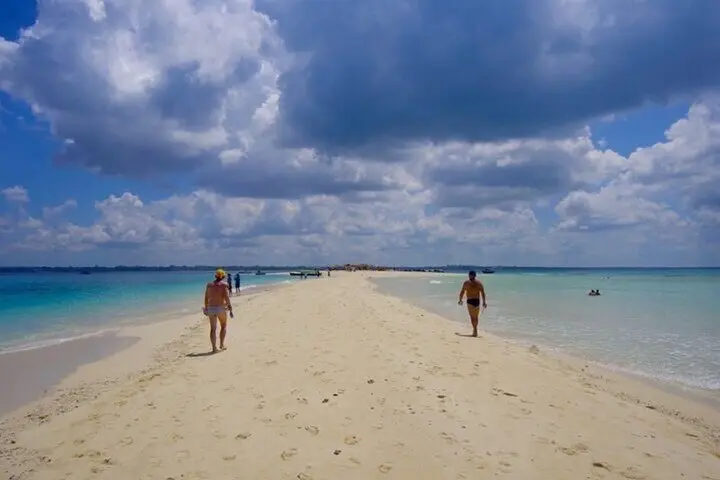
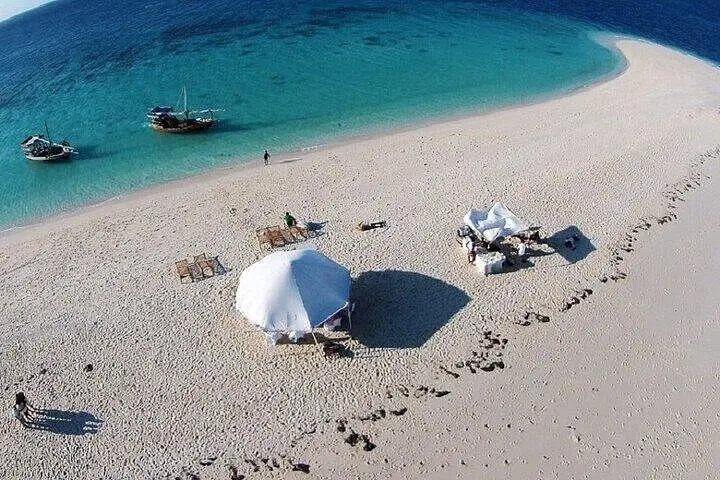
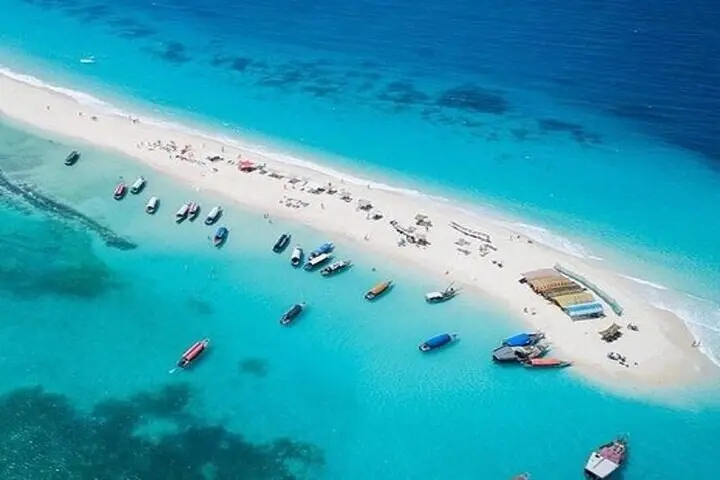
You step off a low-slung dhow onto a ribbon of white sand that seems to rise from the Indian Ocean itself — Nakupenda, “I love you” in Swahili, arrives and recedes with the tide. The water presses its colors like a painter’s palette: pale aquamarine shallow flats graduating to deep cobalt beyond the reef. A warm breeze teases the cutlery of the buffet laid out on the sand while reef fish dart like living confetti beneath your feet.
You step off a low-slung dhow onto a ribbon of white sand that seems to rise from the Indian Ocean itself — Nakupenda, “I love you” in Swahili, arrives and recedes with the tide. The water presses its colors like a painter’s palette: pale aquamarine shallow flats graduating to deep cobalt beyond the reef. A warm breeze teases the cutlery of the buffet laid out on the sand while reef fish dart like living confetti beneath your feet.
The trip is as much about culture as coral. Traditional Swahili dhows have plied these waters for centuries, connecting Zanzibar’s spice markets and dhow-building yards to the wider Indian Ocean trade. Geologically the sandbank is a temporary feature — wind and tide reconfigure it daily — while the surrounding fringing reef is an older limestone formation sheltering vibrant marine life.
Expect easy snorkeling over shallow reefs, guided stops to point out parrotfish, butterflyfish and, occasionally, green turtles. The day typically begins with pickup in Stone Town, a short sail, light refreshments aboard, two or three snorkel stops, and a buffet lunch on the sand at low tide.
Practicalities: the sandbank is tide-dependent — timing matters — and operators usually include snorkel gear and hotel transfers. Bring reef-safe sunscreen, a hat, and a light towel; water shoes help when the tide uncovers shelly patches. If you want fewer people, aim for weekday departures and shoulder seasons. The island’s ephemeral nature makes every visit slightly different — arrive ready to swim, stroll and watch the shoreline shift under your feet.