THE ADVENTURE COLLECTIVE® · Independent discovery and booking for outdoor travel
Skip the tourist traps and follow a guide through Namba’s working streets to taste 15 local dishes across family-run spots. Three hours of kushikatsu, gyoza, sashimi and market flavors that show why Osaka is called Japan’s kitchen.
Skip the tourist traps and follow a guide through Namba’s working streets to taste 15 local dishes across family-run spots. Three hours of kushikatsu, gyoza, sashimi and market flavors that show why Osaka is called Japan’s kitchen.
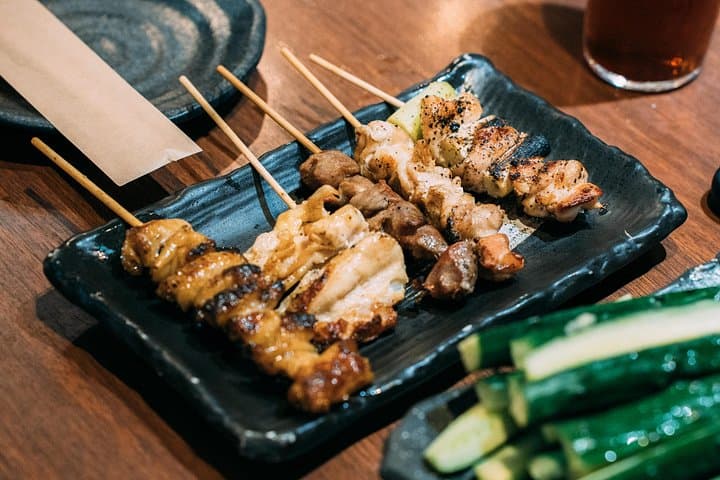
You step off the neon-lit main drag and into a narrower lane where steam and frying oil fog the evening air. The pavement vibrates with voices; vending machines hum, and a small izakaya door opens to release the smell of sweet soy and char. This is Namba away from the postcard views — close, noisy, and intensely edible.
Verified experiences and guided adventures in the surrounding area.
Operated by With Japan · Osaka, Osaka Prefecture
You step off the neon-lit main drag and into a narrower lane where steam and frying oil fog the evening air. The pavement vibrates with voices; vending machines hum, and a small izakaya door opens to release the smell of sweet soy and char. This is Namba away from the postcard views — close, noisy, and intensely edible.
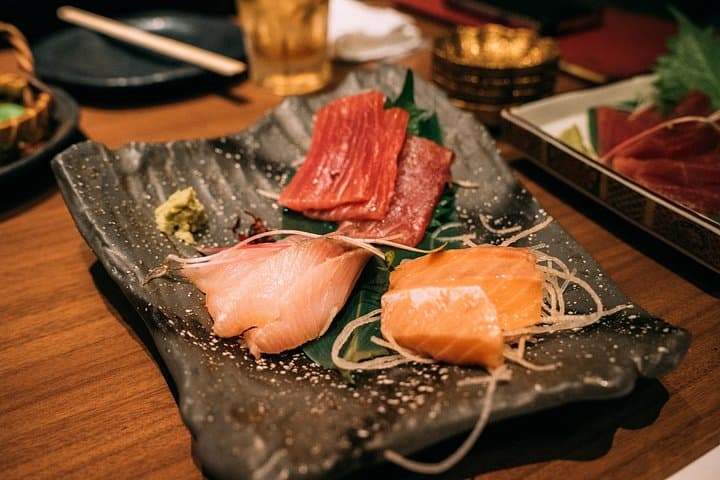
Osaka earned its reputation as Japan’s kitchen in the Edo period when merchants and restaurateurs clustered around river trade routes. The city sits on an alluvial plain that shaped these dense neighborhoods and the markets that grew from them. Walking here links everyday culture — salarymen, shop owners, students — to dishes refined for quick, communal eating: kushikatsu, gyoza, and sashimi that favor freshness over flourish.
Expect three hours of moving meals: roughly 15 small plates across family-run restaurants and market stalls, led by a guide who explains regional variations and local etiquette. You’ll learn why Osaka prefers bold flavors and how neighborhoods like Namba developed their eating culture separate from tourist corridors like Dotonbori.
Practical guidance: wear comfortable shoes for paved but crowded streets, bring a light rain layer in spring and autumn, and hydrate — summer in Osaka is hot and humid. Tell the operator dietary restrictions ahead of time; the tour includes a full dinner and three drinks. Cash can be handy for incidental purchases, though the tour covers tastings.
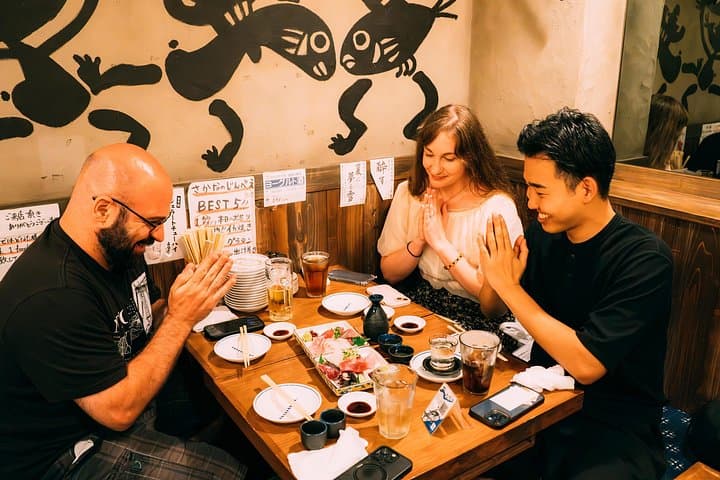
This is a sensory, sociable tour: listen to the sizzle, follow the guide’s rhythm, and let the streets narrate the city’s food history while you taste it.
The itinerary typically includes about 15 small dishes spread across three restaurants and market stops—enough for a full dinner.
Vegetarian options may be limited at some traditional stalls—notify the operator in advance so they can arrange suitable alternatives.
Meeting is usually in the Namba area near a central station exit; the exact meeting point is provided on booking confirmation.
Tipping is not customary in Japan, but small gestures of appreciation are accepted; follow the guide’s lead.
With Japan operates guided outdoor trips and adventures with an emphasis on safety, stewardship, and memorable experiences.
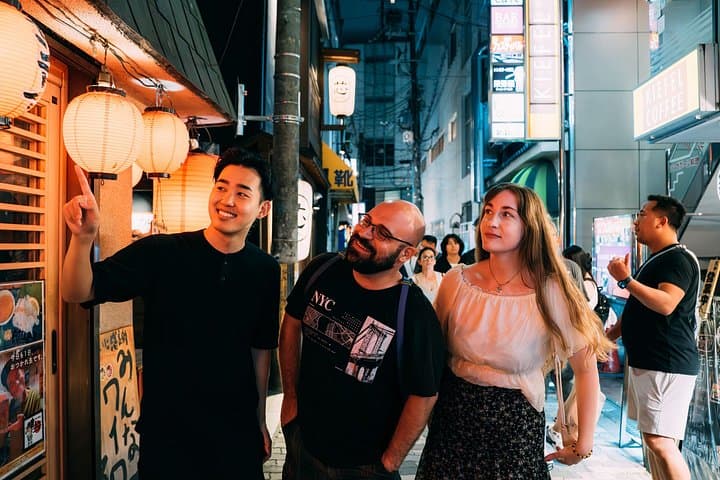
You step off the neon-lit main drag and into a narrower lane where steam and frying oil fog the evening air. The pavement vibrates with voices; vending machines hum, and a small izakaya door opens to release the smell of sweet soy and char. This is Namba away from the postcard views — close, noisy, and intensely edible.
You step off the neon-lit main drag and into a narrower lane where steam and frying oil fog the evening air. The pavement vibrates with voices; vending machines hum, and a small izakaya door opens to release the smell of sweet soy and char. This is Namba away from the postcard views — close, noisy, and intensely edible.
Osaka earned its reputation as Japan’s kitchen in the Edo period when merchants and restaurateurs clustered around river trade routes. The city sits on an alluvial plain that shaped these dense neighborhoods and the markets that grew from them. Walking here links everyday culture — salarymen, shop owners, students — to dishes refined for quick, communal eating: kushikatsu, gyoza, and sashimi that favor freshness over flourish.
Expect three hours of moving meals: roughly 15 small plates across family-run restaurants and market stalls, led by a guide who explains regional variations and local etiquette. You’ll learn why Osaka prefers bold flavors and how neighborhoods like Namba developed their eating culture separate from tourist corridors like Dotonbori.
Practical guidance: wear comfortable shoes for paved but crowded streets, bring a light rain layer in spring and autumn, and hydrate — summer in Osaka is hot and humid. Tell the operator dietary restrictions ahead of time; the tour includes a full dinner and three drinks. Cash can be handy for incidental purchases, though the tour covers tastings.
This is a sensory, sociable tour: listen to the sizzle, follow the guide’s rhythm, and let the streets narrate the city’s food history while you taste it.
