THE ADVENTURE COLLECTIVE® · Independent discovery and booking for outdoor travel

Walk the ridge-top walls of Namhansanseong with a private guide and panoramic views of Seoul. This UNESCO fortress tour blends history, geology and a hill-walk atmosphere with practical pacing and local tea.
Walk the ridge-top walls of Namhansanseong with a private guide and panoramic views of Seoul. This UNESCO fortress tour blends history, geology and a hill-walk atmosphere with practical pacing and local tea.
You step onto a stone causeway and the city noise falls away — Seoul unfolds below like a living map while the ridgeline takes you into cooler air. Namhansanseong’s walls run along the spine of Namhansan, and the circuit alternates steep climbs with broad lookout platforms that dare you to pause and take the city in.
Verified experiences and guided adventures in the surrounding area.
Operated by what the korea · Gwangju, Gyeonggi-do
You step onto a stone causeway and the city noise falls away — Seoul unfolds below like a living map while the ridgeline takes you into cooler air. Namhansanseong’s walls run along the spine of Namhansan, and the circuit alternates steep climbs with broad lookout platforms that dare you to pause and take the city in.
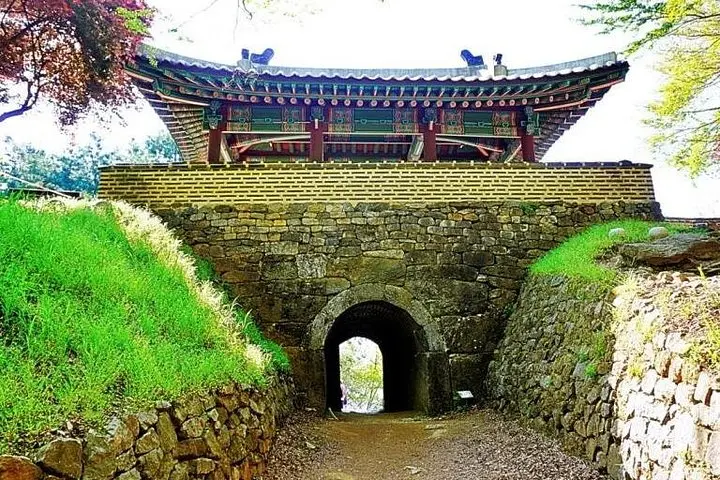
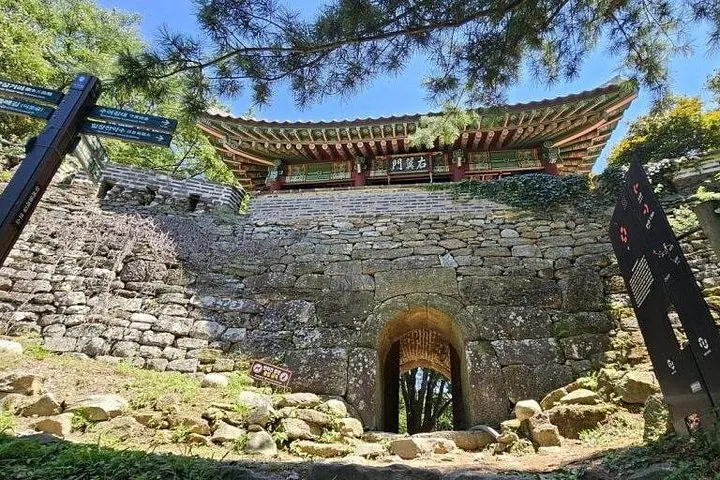
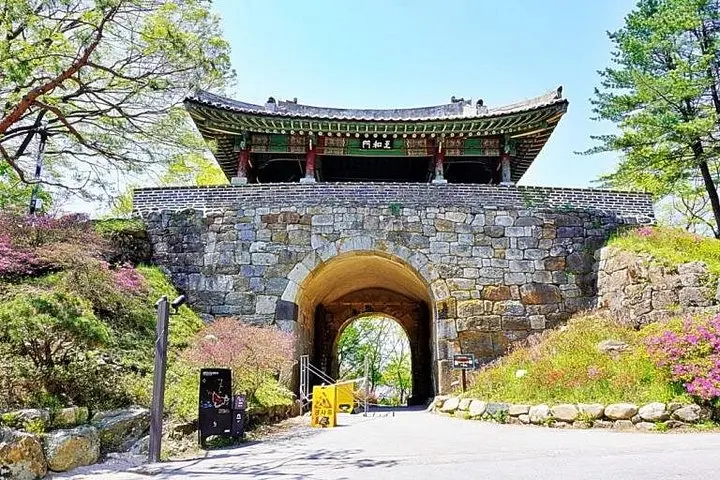
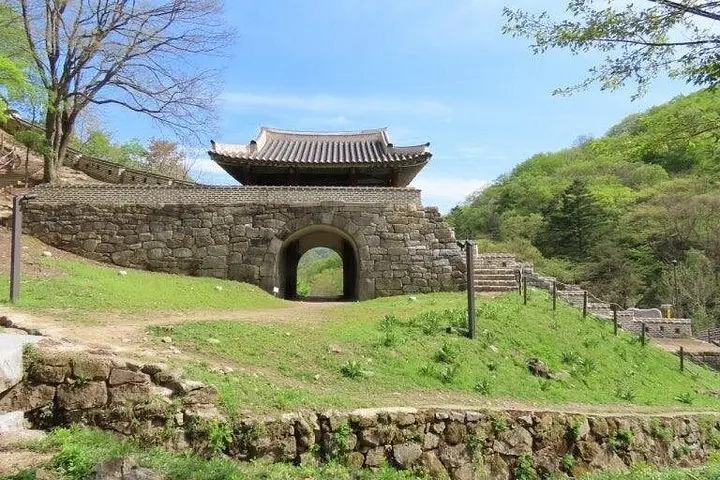
The fortress was expanded in the 17th century as an emergency capital and stronghold for the Joseon court; its earthen-and-stone ramparts, gates and military temples remain intact. Geologically, Namhansan is a low mountain of Precambrian gneiss and granite, its slopes scoured by centuries of foot traffic and forest growth. Culturally the site bridges urban Seoul and traditional village life — small temples, stone inscriptions and local teahouses appear between switchbacks.
On a private guided six-hour tour you’ll move at a deliberate pace: gatehouses, secret wells, and cannon platforms take time to appreciate. The guide can provide traditional tea and a restaurant lunch to sample Korean dishes after the walk.
Practical guidance: wear grippy hiking shoes and expect uneven stone steps and short scrambles; pack water and layers — winds on the ridge can be sharp even in summer. The full circuit can be several kilometers with cumulative elevation gain in the hundreds of meters; a moderate fitness level is recommended. Aim for morning light for clearer views and fewer visitors. Be respectful at religious sites and avoid trampling vegetation; the UNESCO listing reflects both cultural and ecological value.
The private tour is six hours total and includes multiple stops; expect several kilometers of walking with repeated uphill sections over stone pathways.
The tour requires moderate fitness and negotiating uneven steps; it may be challenging for very young children or people with limited mobility.
Admission to Namhansanseong is included in the tour itinerary as described; confirm any specific temple donations with your guide.
Yes — the tour includes traditional tea on request and a planned lunch at a high-end Korean restaurant as noted in the itinerary.
what the korea operates guided outdoor trips and adventures with an emphasis on safety, stewardship, and memorable experiences.
You step onto a stone causeway and the city noise falls away — Seoul unfolds below like a living map while the ridgeline takes you into cooler air. Namhansanseong’s walls run along the spine of Namhansan, and the circuit alternates steep climbs with broad lookout platforms that dare you to pause and take the city in.
You step onto a stone causeway and the city noise falls away — Seoul unfolds below like a living map while the ridgeline takes you into cooler air. Namhansanseong’s walls run along the spine of Namhansan, and the circuit alternates steep climbs with broad lookout platforms that dare you to pause and take the city in.
The fortress was expanded in the 17th century as an emergency capital and stronghold for the Joseon court; its earthen-and-stone ramparts, gates and military temples remain intact. Geologically, Namhansan is a low mountain of Precambrian gneiss and granite, its slopes scoured by centuries of foot traffic and forest growth. Culturally the site bridges urban Seoul and traditional village life — small temples, stone inscriptions and local teahouses appear between switchbacks.
On a private guided six-hour tour you’ll move at a deliberate pace: gatehouses, secret wells, and cannon platforms take time to appreciate. The guide can provide traditional tea and a restaurant lunch to sample Korean dishes after the walk.
Practical guidance: wear grippy hiking shoes and expect uneven stone steps and short scrambles; pack water and layers — winds on the ridge can be sharp even in summer. The full circuit can be several kilometers with cumulative elevation gain in the hundreds of meters; a moderate fitness level is recommended. Aim for morning light for clearer views and fewer visitors. Be respectful at religious sites and avoid trampling vegetation; the UNESCO listing reflects both cultural and ecological value.