THE ADVENTURE COLLECTIVE® · Independent discovery and booking for outdoor travel

Sunrise on Sossusvlei’s red dunes and fog-wrapped afternoons on the Atlantic—this five-day guided tour stitches together Namibia’s extreme landscapes into a compact, transportive route from desert to sea. Ideal for first-time visitors who want geology, wildlife and coastal cruises without the logistics.
Sunrise on Sossusvlei’s red dunes and fog-wrapped afternoons on the Atlantic—this five-day guided tour stitches together Namibia’s extreme landscapes into a compact, transportive route from desert to sea. Ideal for first-time visitors who want geology, wildlife and coastal cruises without the logistics.
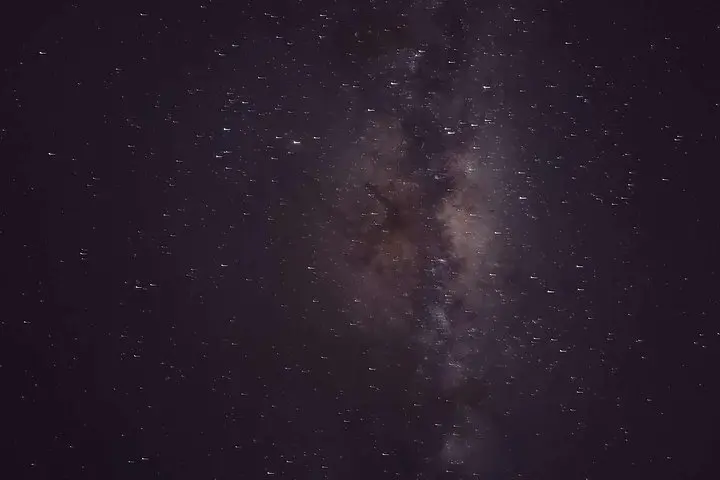
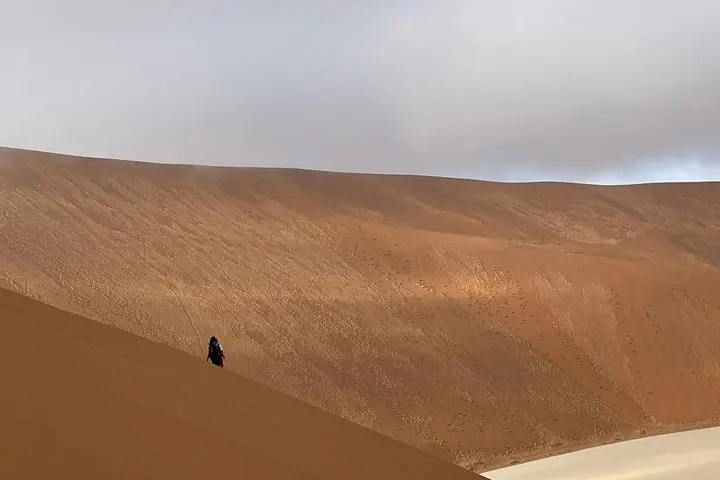
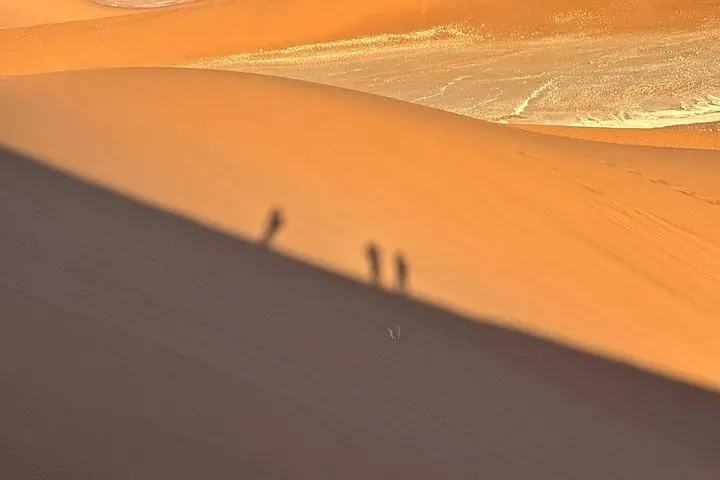
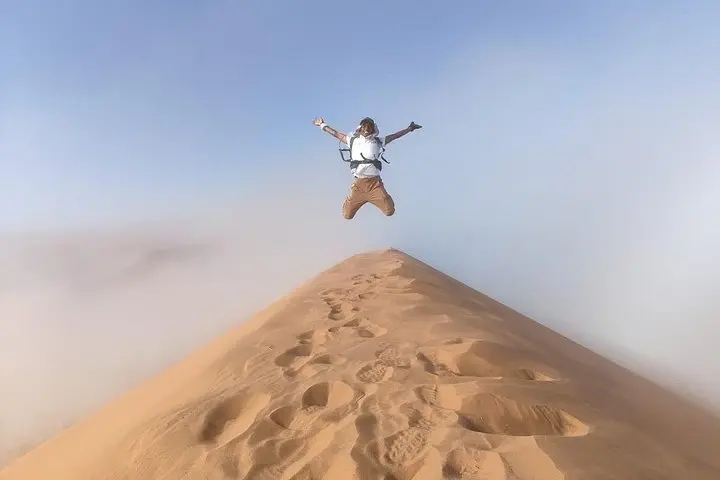
You step out before first light and the desert closes around you like a slow, warm breath. Headlamps bob as the vehicle eases off the gravel and the world narrows to the two-tone strip of road and the silhouette of a dune that looks impossibly high until you are beside it. This is Sossusvlei at dawn — red sand catching the sun and turning the dunes into ridged skin. Over the next five days the landscape will push and pull: a plateaued escarpment plunging 2,000 meters at Spreetshoogte, the chalky moonscape of Deadvlei, and then, abruptly, the Atlantic fog and salt flats around Swakopmund and Walvis Bay.
Verified experiences and guided adventures in the surrounding area.
Operated by QUALITY TIME TOURS · Sossusvlei, Hardap
You step out before first light and the desert closes around you like a slow, warm breath. Headlamps bob as the vehicle eases off the gravel and the world narrows to the two-tone strip of road and the silhouette of a dune that looks impossibly high until you are beside it. This is Sossusvlei at dawn — red sand catching the sun and turning the dunes into ridged skin. Over the next five days the landscape will push and pull: a plateaued escarpment plunging 2,000 meters at Spreetshoogte, the chalky moonscape of Deadvlei, and then, abruptly, the Atlantic fog and salt flats around Swakopmund and Walvis Bay.
Geology here reads like a slow-motion drama. The Namib is one of the world’s oldest deserts; wind has stacked its sands for millions of years, forming dunes—Dune 45 at roughly 170 m, Big Daddy at about 325 m—that move, bake and bulge with the seasons. Humans have added their own layer of history: Nama and Himba communities, German colonial towns like Swakopmund, and roadside stops in Solitaire where a famous apple pie and a scattering of mechanics keep desert travelers moving.
The itinerary is compact but varied: early drives into Namib-Naukluft National Park for Sossusvlei and Sesriem Canyon, a stretch across the Kuiseb River barrier that keeps the red sands from advancing, and finally a marine detour into Walvis Bay’s lagoon to watch flamingos and, if lucky, dolphins and seals on a cruise. Wildlife is pared-down and superbly adapted—oryx stand like pageantry on the plains and tiny, tough lizards track sun-warmed shadows.
Practicalities are straightforward. Expect long transfers—roughly 4–5 hours between Windhoek and Sossusvlei, and another 4–5 hours from the desert to the coast—on good, sealed and gravel roads. Accommodations range from desert lodges and camps near Sesriem to seaside guesthouses in Swakopmund. Pack for temperature swings: hot sun by day, brisk desert nights and cool coastal fog. Bring a sun hat, sturdy shoes that can handle soft sand and a small daypack for water and camera gear.
On the ground, go early for golden light on the dunes and mid-day to explore Sesriem Canyon when shadows carve the rock. Climb selectively—Big Daddy rewards effort but sand walking is more tiring than you expect. Respect park rules around the pans and birdlife in Walvis Bay; maladapted desert life is fragile. This five-day loop is part geology lesson, part cultural sampler, and entirely a study in extremes—a trip that ends with salt on your lips and sand in your shoes, and with images you’ll keep long after the road flattens out behind you.
Allow about 4–5 hours (roughly 300–350 km) depending on stops and road conditions; the tour schedule includes these transfers.
Yes—minimum age is 10; however parents should prepare children for long drives and hot daytime temperatures.
Yes—Big Daddy is climbable but strenuous; carry plenty of water and allow 1–2 hours round-trip depending on pace.
Expect desert-adapted species such as oryx, springbok, jackal tracks, larks and, on the coast, flamingos, seals and dolphins on Walvis Bay cruises.
Entrance fees to Namib-Naukluft National Park are included in the tour; you won’t need additional permits for standard sightseeing.
Layered clothing: breathable fabrics for daytime heat, a warm layer for mornings and evenings, and a waterproof shell for coastal fog or wind.
QUALITY TIME TOURS operates guided outdoor trips and adventures with an emphasis on safety, stewardship, and memorable experiences.
You step out before first light and the desert closes around you like a slow, warm breath. Headlamps bob as the vehicle eases off the gravel and the world narrows to the two-tone strip of road and the silhouette of a dune that looks impossibly high until you are beside it. This is Sossusvlei at dawn — red sand catching the sun and turning the dunes into ridged skin. Over the next five days the landscape will push and pull: a plateaued escarpment plunging 2,000 meters at Spreetshoogte, the chalky moonscape of Deadvlei, and then, abruptly, the Atlantic fog and salt flats around Swakopmund and Walvis Bay.
You step out before first light and the desert closes around you like a slow, warm breath. Headlamps bob as the vehicle eases off the gravel and the world narrows to the two-tone strip of road and the silhouette of a dune that looks impossibly high until you are beside it. This is Sossusvlei at dawn — red sand catching the sun and turning the dunes into ridged skin. Over the next five days the landscape will push and pull: a plateaued escarpment plunging 2,000 meters at Spreetshoogte, the chalky moonscape of Deadvlei, and then, abruptly, the Atlantic fog and salt flats around Swakopmund and Walvis Bay.
Geology here reads like a slow-motion drama. The Namib is one of the world’s oldest deserts; wind has stacked its sands for millions of years, forming dunes—Dune 45 at roughly 170 m, Big Daddy at about 325 m—that move, bake and bulge with the seasons. Humans have added their own layer of history: Nama and Himba communities, German colonial towns like Swakopmund, and roadside stops in Solitaire where a famous apple pie and a scattering of mechanics keep desert travelers moving.
The itinerary is compact but varied: early drives into Namib-Naukluft National Park for Sossusvlei and Sesriem Canyon, a stretch across the Kuiseb River barrier that keeps the red sands from advancing, and finally a marine detour into Walvis Bay’s lagoon to watch flamingos and, if lucky, dolphins and seals on a cruise. Wildlife is pared-down and superbly adapted—oryx stand like pageantry on the plains and tiny, tough lizards track sun-warmed shadows.
Practicalities are straightforward. Expect long transfers—roughly 4–5 hours between Windhoek and Sossusvlei, and another 4–5 hours from the desert to the coast—on good, sealed and gravel roads. Accommodations range from desert lodges and camps near Sesriem to seaside guesthouses in Swakopmund. Pack for temperature swings: hot sun by day, brisk desert nights and cool coastal fog. Bring a sun hat, sturdy shoes that can handle soft sand and a small daypack for water and camera gear.
On the ground, go early for golden light on the dunes and mid-day to explore Sesriem Canyon when shadows carve the rock. Climb selectively—Big Daddy rewards effort but sand walking is more tiring than you expect. Respect park rules around the pans and birdlife in Walvis Bay; maladapted desert life is fragile. This five-day loop is part geology lesson, part cultural sampler, and entirely a study in extremes—a trip that ends with salt on your lips and sand in your shoes, and with images you’ll keep long after the road flattens out behind you.