THE ADVENTURE COLLECTIVE® · Independent discovery and booking for outdoor travel

An 8-day circuit from Pokhara that climbs to Namun‑la Pass (4,850 m) through Gurung villages, alpine meadows and varied terrain. Expect homestays, camps, a long summit day and spectacular views of Annapurna, Machapuchare and Manaslu ranges.
An 8-day circuit from Pokhara that climbs to Namun‑la Pass (4,850 m) through Gurung villages, alpine meadows and varied terrain. Expect homestays, camps, a long summit day and spectacular views of Annapurna, Machapuchare and Manaslu ranges.
Dawn arrives thin and bright over the Annapurna range as you step out of a homestay in Pasgaun; prayer flags clap at the ridge and the trail pulls you upward through forest, riverbanks and open kharkas. The trek’s high point, Namun‑la (4,850 m), sits like a quiet horizon that dares you to reach it — winds pushing, clouds parting to reveal Machapuchare’s serrated profile and Lamjung Himal’s steady shoulders.
Verified experiences and guided adventures in the surrounding area.
Operated by Nepal_first · Pokhara, Gandaki Province
Dawn arrives thin and bright over the Annapurna range as you step out of a homestay in Pasgaun; prayer flags clap at the ridge and the trail pulls you upward through forest, riverbanks and open kharkas. The trek’s high point, Namun‑la (4,850 m), sits like a quiet horizon that dares you to reach it — winds pushing, clouds parting to reveal Machapuchare’s serrated profile and Lamjung Himal’s steady shoulders.
This route threads through Gurung villages where stone houses, local monasteries and clan shrines speak to generations tied to these foothills. Geologically the area is young Himalaya: steeps and moraines give way to grassy pastures carved by seasonal streams. Cultural life centers on communal homestays and pilgrimage lakes such as Kali Pokhari; on clear mornings you’ll hear temple bells and the measured cadence of yak bells from a distance.
Expect varied terrain — packed village tracks, forested singletrack, steep switchbacks and exposed high alpine meadows. Nights alternate between homestays and campsites; one long summit day to Namun‑la is demanding (10 hours) and requires pace, hydration and altitude discipline.
Practical pointers: start from Pokhara, allow at least one acclimatization day before pushing above 3,500 m, use a layered system for quick temperature swings, and carry a reliable water-treatment method. Respect local customs in Gurung villages, pack out waste, and be prepared for limited cell service. This trek rewards patience: quieter trails, expansive mountain views, and close encounters with mountain culture.
Yes — local permits and TIMS or Annapurna Conservation regulations may apply; your operator usually arranges permits and porter fees are often included.
Spring (March–May) and fall (September–November) offer the most stable weather and clearer mountain views; winter is cold and summer brings monsoon rain.
The summit day is long (up to 10 hours) with high altitude; strong cardiovascular fitness, steady pacing and proper acclimatization are essential.
Yes — the itinerary mixes family-run homestays in Gurung villages with camping on high nights and a hotel on the final night in Timang.
Nepal_first operates guided outdoor trips and adventures with an emphasis on safety, stewardship, and memorable experiences.
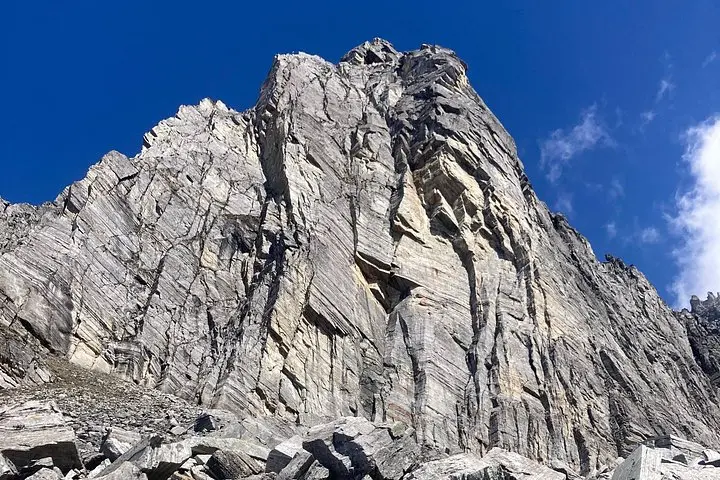
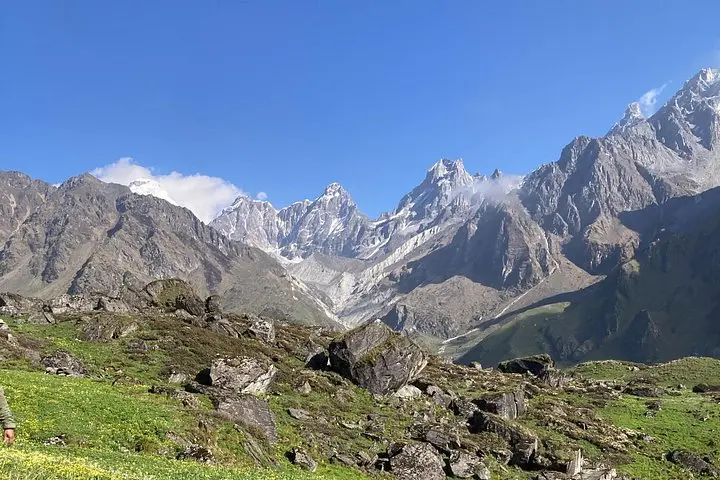
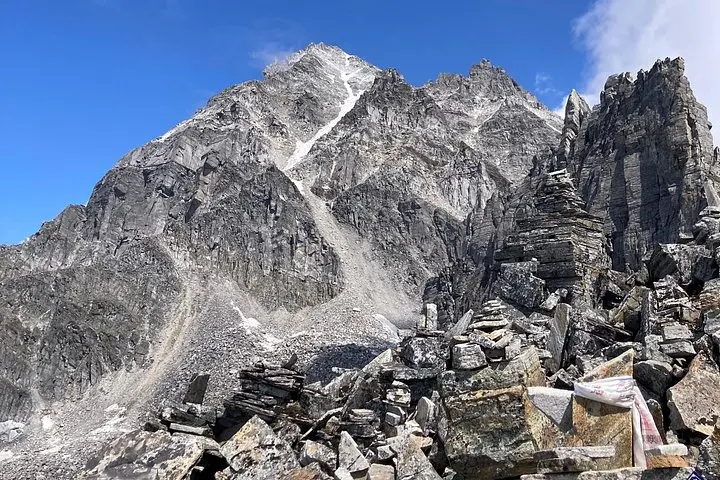
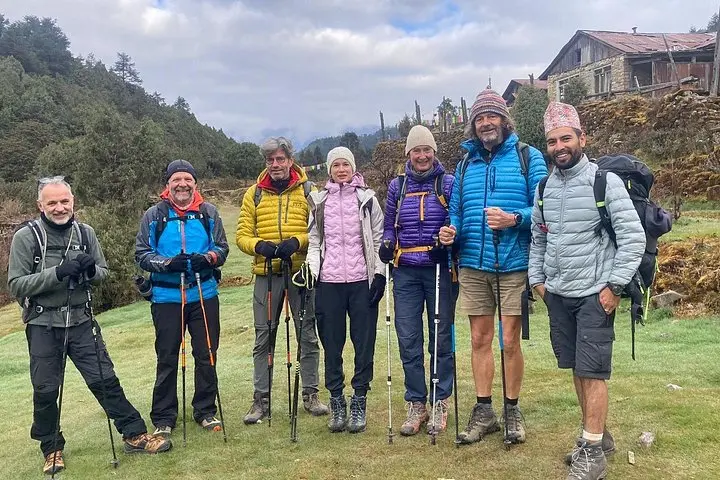
Dawn arrives thin and bright over the Annapurna range as you step out of a homestay in Pasgaun; prayer flags clap at the ridge and the trail pulls you upward through forest, riverbanks and open kharkas. The trek’s high point, Namun‑la (4,850 m), sits like a quiet horizon that dares you to reach it — winds pushing, clouds parting to reveal Machapuchare’s serrated profile and Lamjung Himal’s steady shoulders.
Dawn arrives thin and bright over the Annapurna range as you step out of a homestay in Pasgaun; prayer flags clap at the ridge and the trail pulls you upward through forest, riverbanks and open kharkas. The trek’s high point, Namun‑la (4,850 m), sits like a quiet horizon that dares you to reach it — winds pushing, clouds parting to reveal Machapuchare’s serrated profile and Lamjung Himal’s steady shoulders.
This route threads through Gurung villages where stone houses, local monasteries and clan shrines speak to generations tied to these foothills. Geologically the area is young Himalaya: steeps and moraines give way to grassy pastures carved by seasonal streams. Cultural life centers on communal homestays and pilgrimage lakes such as Kali Pokhari; on clear mornings you’ll hear temple bells and the measured cadence of yak bells from a distance.
Expect varied terrain — packed village tracks, forested singletrack, steep switchbacks and exposed high alpine meadows. Nights alternate between homestays and campsites; one long summit day to Namun‑la is demanding (10 hours) and requires pace, hydration and altitude discipline.
Practical pointers: start from Pokhara, allow at least one acclimatization day before pushing above 3,500 m, use a layered system for quick temperature swings, and carry a reliable water-treatment method. Respect local customs in Gurung villages, pack out waste, and be prepared for limited cell service. This trek rewards patience: quieter trails, expansive mountain views, and close encounters with mountain culture.