THE ADVENTURE COLLECTIVE® · Independent discovery and booking for outdoor travel

Walk through working low-country tea plots, tour a small orthodox tea factory, and taste fresh Ceylon brews at Nandana. This two-hour experience blends herbal gardens, production demos, and a chance to sample traditional Sri Lankan flavors.
Walk through working low-country tea plots, tour a small orthodox tea factory, and taste fresh Ceylon brews at Nandana. This two-hour experience blends herbal gardens, production demos, and a chance to sample traditional Sri Lankan flavors.
Morning fog lifts off the low hills and the Nilwala Ganga pushes a cool breath through the estate as you step onto the gravel path of Nandana Tea. Workers move with practiced rhythm among compact tea bushes; the air smells green and slightly citrus from the herbal garden you pass first. The walking tour threads through small plantation plots, a working factory, and a tasting room where steamed leaves become a robust Ceylon cup.
Verified experiences and guided adventures in the surrounding area.
Operated by Nandana Tea Factory · Akuressa, Southern Province
Morning fog lifts off the low hills and the Nilwala Ganga pushes a cool breath through the estate as you step onto the gravel path of Nandana Tea. Workers move with practiced rhythm among compact tea bushes; the air smells green and slightly citrus from the herbal garden you pass first. The walking tour threads through small plantation plots, a working factory, and a tasting room where steamed leaves become a robust Ceylon cup.
Tea-growing in this pocket of southern Sri Lanka dates to early 20th-century planters who shifted low-country agriculture into orthodox black tea production. Geologically, the landscape is gentle—undulating lowlands fed by river silt rather than the high, rocky ridges of central highlands—so paths are short and manageable but can be slick after rain. Culturally the visit doubles as a lesson in local agriculture: you’ll meet staff who maintain age-old processing steps and may be offered a banana- or lotus-wrapped home meal if selected.
Practically: the standard tour runs about two hours and includes the herbal garden, estate walk, factory demonstration and tasting. Footwear should be sturdy but low-cut; bring sun protection and insect repellent. Expect conversational English from guides; photography is welcomed but be respectful around workers. Small purchases of tea are encouraged—items under US$39 can be complimentary depending on the visit policy—and the tour’s pace is easy, accessible to most visitors. Timing visits for mid-morning avoids coastal heat and gives the workers time to finish early-morning processing for demonstration.
The standard Nandana Tea walking tour lasts about two hours and covers the herbal garden, estate plots, a factory demonstration, and a tasting session.
Yes—terrain is generally easy with short walking segments; notify the operator of any mobility needs when booking.
Yes—there is an opportunity to purchase estate tea; purchases under US$39 may be offered free depending on current promotions.
A simple organic home-cooked meal wrapped in banana or lotus leaf is optional—confirm during booking if you wish to include it.
Nandana Tea Factory operates guided outdoor trips and adventures with an emphasis on safety, stewardship, and memorable experiences.
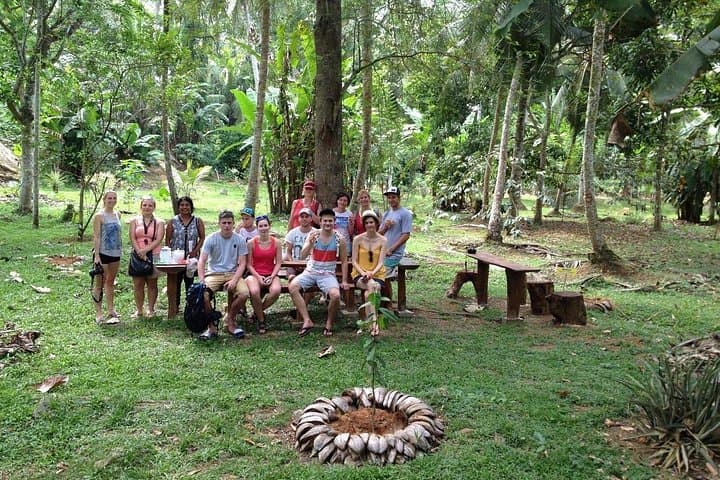
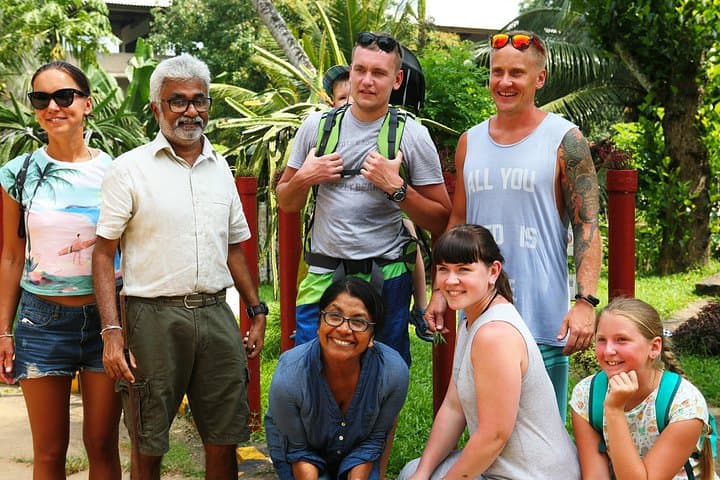
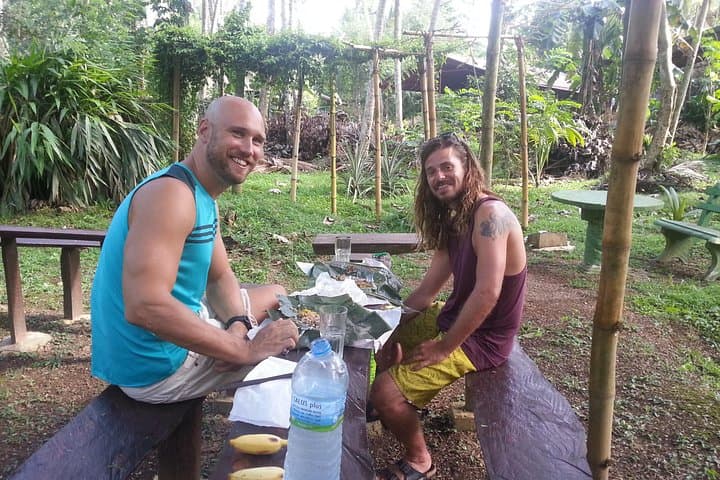
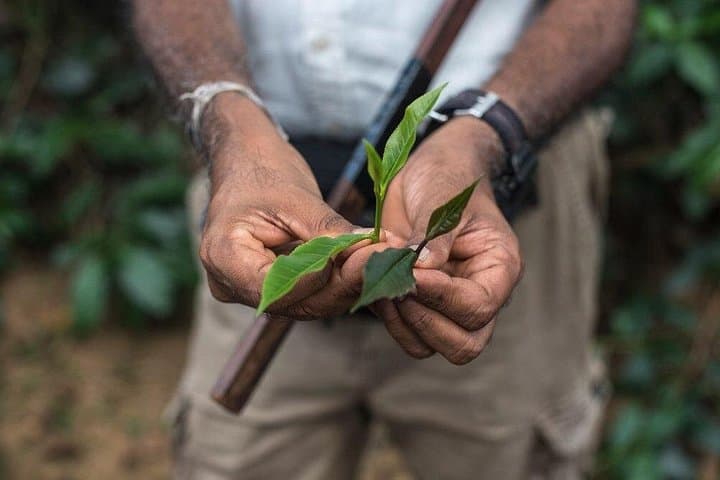
Morning fog lifts off the low hills and the Nilwala Ganga pushes a cool breath through the estate as you step onto the gravel path of Nandana Tea. Workers move with practiced rhythm among compact tea bushes; the air smells green and slightly citrus from the herbal garden you pass first. The walking tour threads through small plantation plots, a working factory, and a tasting room where steamed leaves become a robust Ceylon cup.
Morning fog lifts off the low hills and the Nilwala Ganga pushes a cool breath through the estate as you step onto the gravel path of Nandana Tea. Workers move with practiced rhythm among compact tea bushes; the air smells green and slightly citrus from the herbal garden you pass first. The walking tour threads through small plantation plots, a working factory, and a tasting room where steamed leaves become a robust Ceylon cup.
Tea-growing in this pocket of southern Sri Lanka dates to early 20th-century planters who shifted low-country agriculture into orthodox black tea production. Geologically, the landscape is gentle—undulating lowlands fed by river silt rather than the high, rocky ridges of central highlands—so paths are short and manageable but can be slick after rain. Culturally the visit doubles as a lesson in local agriculture: you’ll meet staff who maintain age-old processing steps and may be offered a banana- or lotus-wrapped home meal if selected.
Practically: the standard tour runs about two hours and includes the herbal garden, estate walk, factory demonstration and tasting. Footwear should be sturdy but low-cut; bring sun protection and insect repellent. Expect conversational English from guides; photography is welcomed but be respectful around workers. Small purchases of tea are encouraged—items under US$39 can be complimentary depending on the visit policy—and the tour’s pace is easy, accessible to most visitors. Timing visits for mid-morning avoids coastal heat and gives the workers time to finish early-morning processing for demonstration.