THE ADVENTURE COLLECTIVE® · Independent discovery and booking for outdoor travel

Spend eight curated hours uncovering Nanjing’s imperial highlights: Ming Xiaoling Mausoleum, Zhonghua Gate, historic Fuzimiao and a Qinghuai River stroll, with lunch and private transport included. Practical, compact and culturally rich for first-time visitors.
Spend eight curated hours uncovering Nanjing’s imperial highlights: Ming Xiaoling Mausoleum, Zhonghua Gate, historic Fuzimiao and a Qinghuai River stroll, with lunch and private transport included. Practical, compact and culturally rich for first-time visitors.
Morning light pushes through lacquered pines on Purple Mountain as a private car eases toward Ming Xiaoling Mausoleum. The guide points out the stone processional way; guardian animals stare from terraces while the city beyond hums quietly. This is a day that stitches imperial architecture, fortified walls and riverfront life into a single, walkable circuit.
Verified experiences and guided adventures in the surrounding area.
Operated by Amazing Shanghai Trip · Nanjing, Jiangsu
Morning light pushes through lacquered pines on Purple Mountain as a private car eases toward Ming Xiaoling Mausoleum. The guide points out the stone processional way; guardian animals stare from terraces while the city beyond hums quietly. This is a day that stitches imperial architecture, fortified walls and riverfront life into a single, walkable circuit.
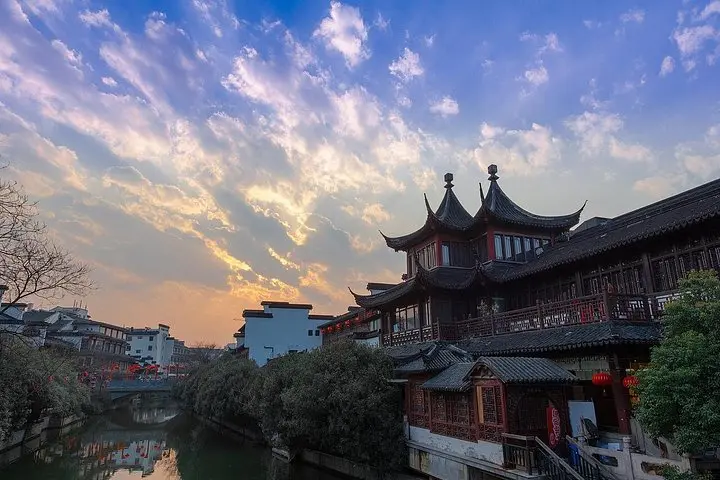
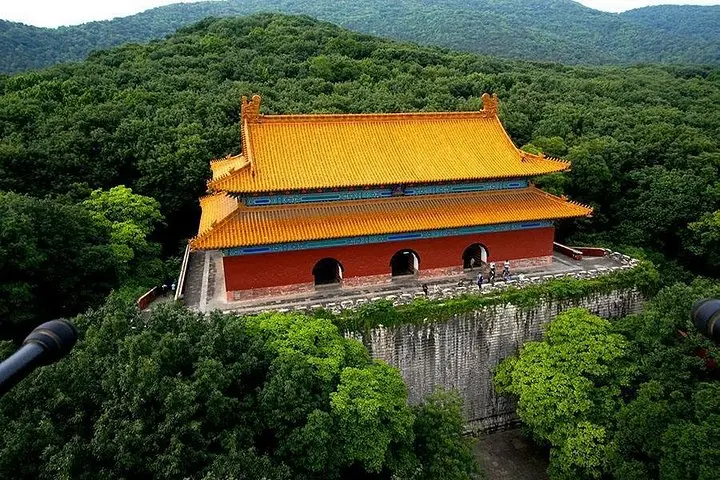
Nanjing served as a capital under multiple dynasties; Ming Xiaoling is the tomb of the Hongwu Emperor and a clear marker of 14th-century statecraft and funerary geometry. The Zhonghua Gate and Ming City Wall reveal masonry techniques and defensive planning — multiple arched gateways, deep moats and inward courtyards built to slow attackers. The Qinghuai (Qinghai in some records) waterfront and Fuzimiao district preserve merchant-era lanes where waterways once ferried tea, salt and scholars.
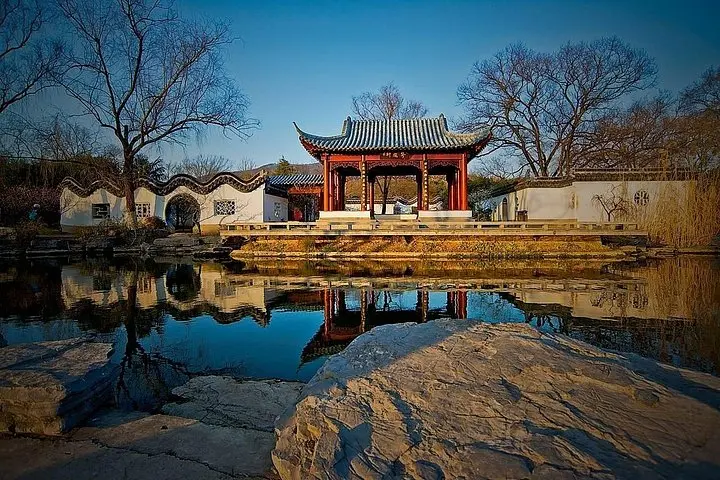
Expect a mix of paved paths and stepped courtyards, short uphill sections at the mausoleum and broad stone ramps at city gates. Cultural touchpoints—Confucian halls, Buddhist chambers at Jiming Temple, and classical Zhanyuan gardens—offer a variety of sensory scenes: carved stone, incense, lotus-skimmed ponds.
Practical guide: plan for roughly eight hours with hotel or station pickup, wear comfortable walking shoes, bring sun protection and a refillable water bottle. Peak seasons (spring and autumn) bring the best weather and bigger crowds; winter is colder but quiet. Mobile tickets and included admissions simplify logistics; tell the operator any dietary needs ahead of time. With a private guide and air-conditioned car, this day delivers concentrated history without the hassle of juggling transport or lines.
Yes—entrance fees listed in the itinerary, such as Ming Xiaoling and Zhonghua Gate, are included in the tour price.
Pickup and drop-off are available at Nanjing hotels or Nanjing Railway Station as arranged at booking.
This private tour allows substitutions—guests can request Jiming Temple instead of another stop when booking.
Yes; the tour is rated easy and offers hotel pickup, but notify the operator about mobility needs and infant seats if required.
Amazing Shanghai Trip operates guided outdoor trips and adventures with an emphasis on safety, stewardship, and memorable experiences.
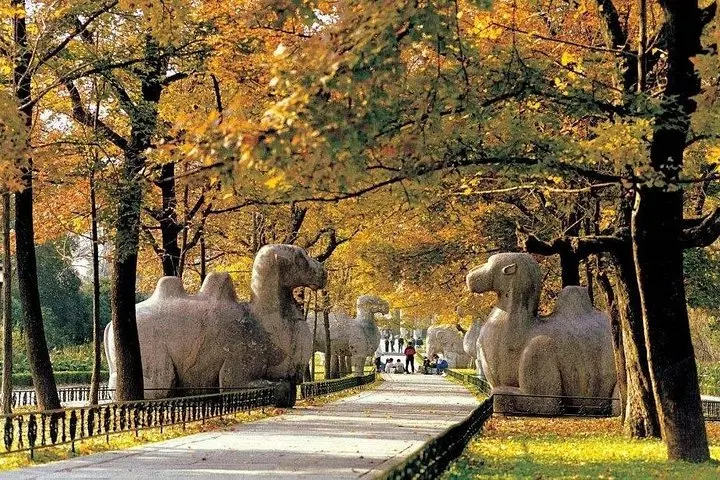
Morning light pushes through lacquered pines on Purple Mountain as a private car eases toward Ming Xiaoling Mausoleum. The guide points out the stone processional way; guardian animals stare from terraces while the city beyond hums quietly. This is a day that stitches imperial architecture, fortified walls and riverfront life into a single, walkable circuit.
Morning light pushes through lacquered pines on Purple Mountain as a private car eases toward Ming Xiaoling Mausoleum. The guide points out the stone processional way; guardian animals stare from terraces while the city beyond hums quietly. This is a day that stitches imperial architecture, fortified walls and riverfront life into a single, walkable circuit.
Nanjing served as a capital under multiple dynasties; Ming Xiaoling is the tomb of the Hongwu Emperor and a clear marker of 14th-century statecraft and funerary geometry. The Zhonghua Gate and Ming City Wall reveal masonry techniques and defensive planning — multiple arched gateways, deep moats and inward courtyards built to slow attackers. The Qinghuai (Qinghai in some records) waterfront and Fuzimiao district preserve merchant-era lanes where waterways once ferried tea, salt and scholars.
Expect a mix of paved paths and stepped courtyards, short uphill sections at the mausoleum and broad stone ramps at city gates. Cultural touchpoints—Confucian halls, Buddhist chambers at Jiming Temple, and classical Zhanyuan gardens—offer a variety of sensory scenes: carved stone, incense, lotus-skimmed ponds.
Practical guide: plan for roughly eight hours with hotel or station pickup, wear comfortable walking shoes, bring sun protection and a refillable water bottle. Peak seasons (spring and autumn) bring the best weather and bigger crowds; winter is colder but quiet. Mobile tickets and included admissions simplify logistics; tell the operator any dietary needs ahead of time. With a private guide and air-conditioned car, this day delivers concentrated history without the hassle of juggling transport or lines.