THE ADVENTURE COLLECTIVE® · Independent discovery and booking for outdoor travel

Walk through Nantes' history in two hours: from Gothic cathedral to the iron-and-glass passageways and the mechanical creatures of Île de Nantes. This guided tour mixes factual history with local color and practical tips for getting the most out of the route.
Walk through Nantes' history in two hours: from Gothic cathedral to the iron-and-glass passageways and the mechanical creatures of Île de Nantes. This guided tour mixes factual history with local color and practical tips for getting the most out of the route.
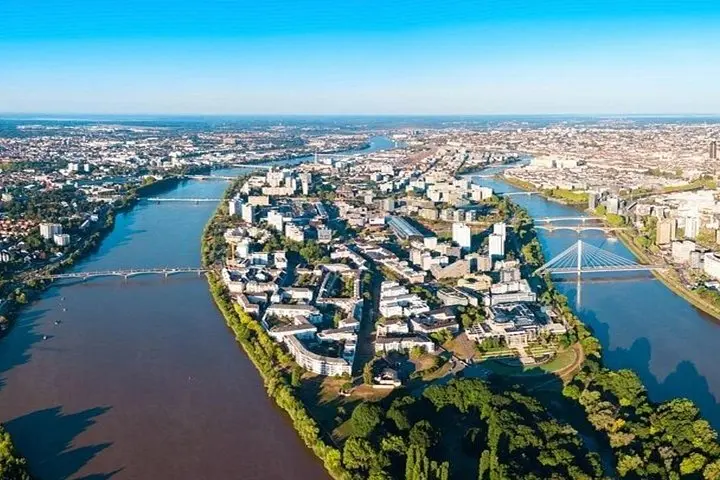
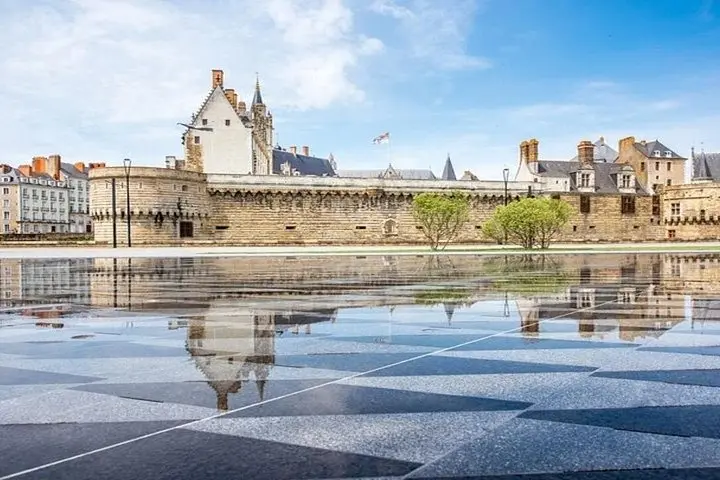
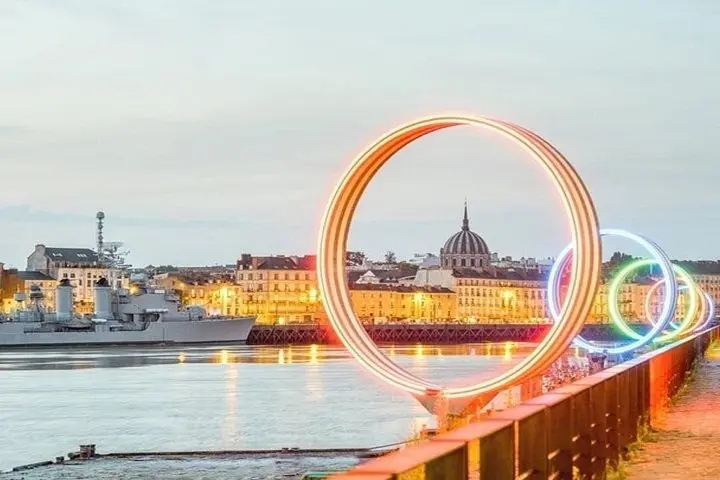
You step out onto stone streets warmed by the day's light and the Loire leans in, daring you to follow its curve through Nantes. The city's pulse is visible in carved façades, a steam of cyclists, and the hush inside St. Peter and St. Paul Cathedral where Gothic spires puncture the sky.
Verified experiences and guided adventures in the surrounding area.
Operated by Guydeez · Nantes, Pays de la Loire
You step out onto stone streets warmed by the day's light and the Loire leans in, daring you to follow its curve through Nantes. The city's pulse is visible in carved façades, a steam of cyclists, and the hush inside St. Peter and St. Paul Cathedral where Gothic spires puncture the sky.
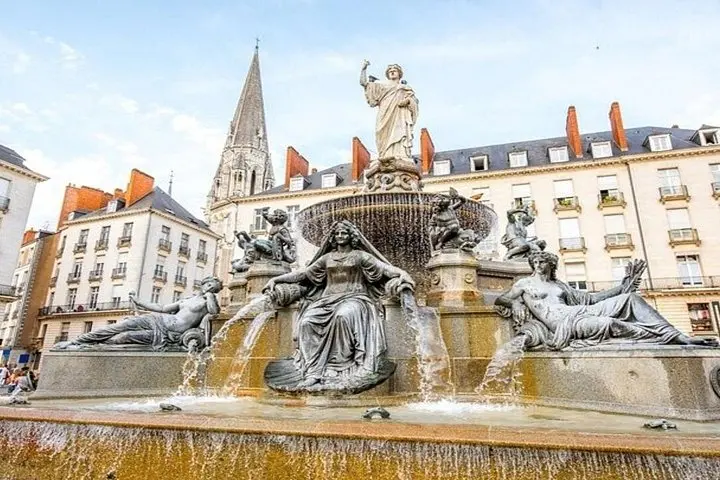
This two-hour guided walk threads together Nantes' layered past — from a Gallic settlement to the capital of historic Brittany, then a major port on the Loire. Urban geology is simple here: reclaimed riverbanks, former shipyards on Île de Nantes, and 19th-century boulevards that reflect a city rebuilt after industrial decline. Cultural life arrives in surprising forms: neoclassical Place Royale, the ornate 19th-century Passage Pommeraye, and the inventive Les Machines de l’Île — a mechanical bestiary inspired by Jules Verne.
Local guides explain how commerce, maritime trade, and experimental art shaped neighborhoods and point out small-scale urban wildlife along the river: waterfowl and river birds that make the Loire a living edge.
Practical side: the route is flat and fully wheelchair accessible but brings city-sensible footwear for cobbles and arcades. Expect two hours of slow pace with stops for interpretation and photo pauses; monuments are viewed externally unless otherwise arranged. Morning or late-afternoon departures avoid the busiest café hours. Carry a water bottle, a lightweight layer, and a small plan for Les Machines if you want to ride the Great Elephant — it often requires a separate ticket.
Yes — the listed route is flat and wheelchair accessible; however the guide will not enter monuments unless specified and accessibility can vary inside older buildings.
No — the tour views key sites externally; entry to any museum or ride (e.g., Les Machines attractions) usually requires separate tickets.
The meeting point is central to the itinerary (near the cathedral area); cancel up to 24 hours before departure for a full refund per the operator's policy.
Guydeez operates guided outdoor trips and adventures with an emphasis on safety, stewardship, and memorable experiences.
You step out onto stone streets warmed by the day's light and the Loire leans in, daring you to follow its curve through Nantes. The city's pulse is visible in carved façades, a steam of cyclists, and the hush inside St. Peter and St. Paul Cathedral where Gothic spires puncture the sky.
You step out onto stone streets warmed by the day's light and the Loire leans in, daring you to follow its curve through Nantes. The city's pulse is visible in carved façades, a steam of cyclists, and the hush inside St. Peter and St. Paul Cathedral where Gothic spires puncture the sky.
This two-hour guided walk threads together Nantes' layered past — from a Gallic settlement to the capital of historic Brittany, then a major port on the Loire. Urban geology is simple here: reclaimed riverbanks, former shipyards on Île de Nantes, and 19th-century boulevards that reflect a city rebuilt after industrial decline. Cultural life arrives in surprising forms: neoclassical Place Royale, the ornate 19th-century Passage Pommeraye, and the inventive Les Machines de l’Île — a mechanical bestiary inspired by Jules Verne.
Local guides explain how commerce, maritime trade, and experimental art shaped neighborhoods and point out small-scale urban wildlife along the river: waterfowl and river birds that make the Loire a living edge.
Practical side: the route is flat and fully wheelchair accessible but brings city-sensible footwear for cobbles and arcades. Expect two hours of slow pace with stops for interpretation and photo pauses; monuments are viewed externally unless otherwise arranged. Morning or late-afternoon departures avoid the busiest café hours. Carry a water bottle, a lightweight layer, and a small plan for Les Machines if you want to ride the Great Elephant — it often requires a separate ticket.