THE ADVENTURE COLLECTIVE® · Independent discovery and booking for outdoor travel

Walk under a vaulted tank of stingrays and trace a coastline story from freshwater eels to tuatara at Napier’s National Aquarium. Plan 30–90 minutes, time your visit for feedings at 10:00 or 14:00, and pair the visit with a Marine Parade stroll.
Walk under a vaulted tank of stingrays and trace a coastline story from freshwater eels to tuatara at Napier’s National Aquarium. Plan 30–90 minutes, time your visit for feedings at 10:00 or 14:00, and pair the visit with a Marine Parade stroll.
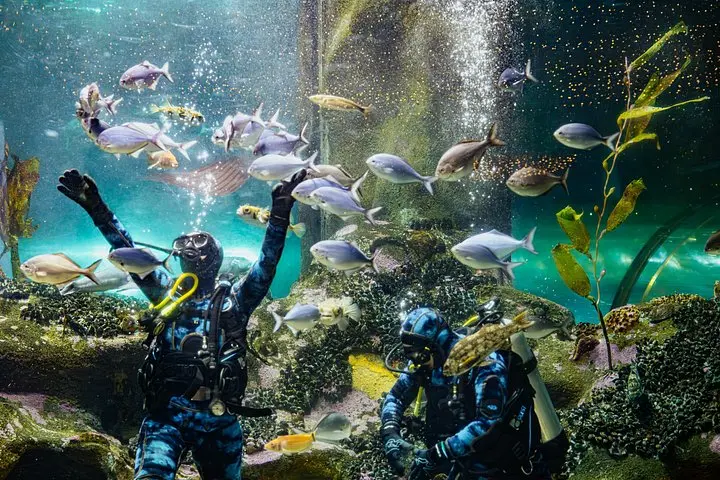
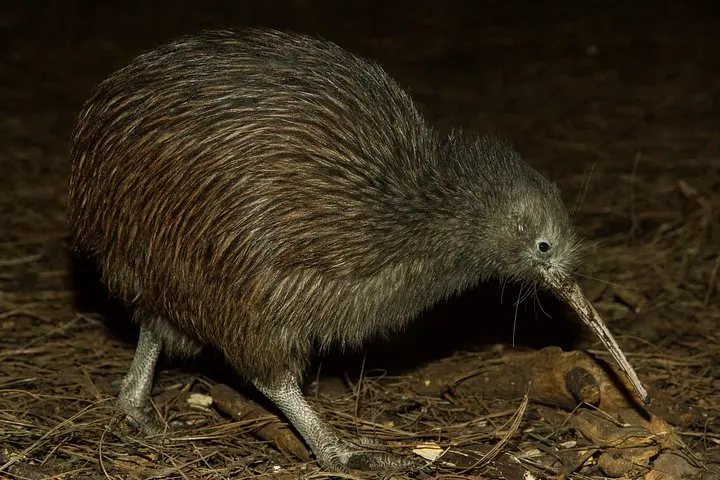
You step through the glass doors on Marine Parade and the air cools with a faint tang of salt and life. Low lighting guides you from rocky stream exhibits into a nocturnal house where a brown kiwi turns, then on to tanks of native tuna (eel) and the slow, prehistoric gaze of tuatara. The path widens and finally drops you beneath a vaulted tank where stingrays glide and schools of fish stitch moving shadows across the viewing glass.
Verified experiences and guided adventures in the surrounding area.
Operated by The National Aquarium of New Zealand · Napier, Hawke's Bay
You step through the glass doors on Marine Parade and the air cools with a faint tang of salt and life. Low lighting guides you from rocky stream exhibits into a nocturnal house where a brown kiwi turns, then on to tanks of native tuna (eel) and the slow, prehistoric gaze of tuatara. The path widens and finally drops you beneath a vaulted tank where stingrays glide and schools of fish stitch moving shadows across the viewing glass.
The Aquarium frames Aotearoa’s coastal story — from freshwater foothills to the open ocean — against Napier’s dramatic shoreline, reshaped after the 1931 earthquake that redefined Hawke’s Bay. Exhibits highlight introduced and native species, offering cultural context about Māori connections to the sea and the unique natural history of New Zealand’s reptiles and birds.
Plan 30–90 minutes depending on interest; feeding demonstrations at 10:00 and 14:00 add animation and are worth timing your visit around. The layout is compact and accessible—strollers and wheelchairs are accommodated—so families and older visitors can move at an easy pace. Peak summer days bring school groups; mornings and late afternoons are quieter. Combine a visit with a stroll along Marine Parade or a quick detour to the nearby Ahuriri estuary for birdwatching and coastal views.
Practical tips: buy mobile tickets for fastest entry, carry a light layer for cooler, dim exhibit spaces, and keep voices low around nocturnal displays to protect the animals. The Aquarium is a concise, educational stop that delivers a hands-on sense of New Zealand’s marine and coastal life.
Visitors typically spend 30–90 minutes depending on interest and whether you attend the 10:00 or 14:00 feeding demonstrations.
Yes—facilities are wheelchair and stroller accessible and the layout is designed for easy movement.
Yes—staff feedings are scheduled daily at 10:00 and 14:00, which are best for viewing active marine life.
Only service animals are allowed inside; pets are not permitted in exhibit areas.
The National Aquarium of New Zealand operates guided outdoor trips and adventures with an emphasis on safety, stewardship, and memorable experiences.

You step through the glass doors on Marine Parade and the air cools with a faint tang of salt and life. Low lighting guides you from rocky stream exhibits into a nocturnal house where a brown kiwi turns, then on to tanks of native tuna (eel) and the slow, prehistoric gaze of tuatara. The path widens and finally drops you beneath a vaulted tank where stingrays glide and schools of fish stitch moving shadows across the viewing glass.
You step through the glass doors on Marine Parade and the air cools with a faint tang of salt and life. Low lighting guides you from rocky stream exhibits into a nocturnal house where a brown kiwi turns, then on to tanks of native tuna (eel) and the slow, prehistoric gaze of tuatara. The path widens and finally drops you beneath a vaulted tank where stingrays glide and schools of fish stitch moving shadows across the viewing glass.
The Aquarium frames Aotearoa’s coastal story — from freshwater foothills to the open ocean — against Napier’s dramatic shoreline, reshaped after the 1931 earthquake that redefined Hawke’s Bay. Exhibits highlight introduced and native species, offering cultural context about Māori connections to the sea and the unique natural history of New Zealand’s reptiles and birds.
Plan 30–90 minutes depending on interest; feeding demonstrations at 10:00 and 14:00 add animation and are worth timing your visit around. The layout is compact and accessible—strollers and wheelchairs are accommodated—so families and older visitors can move at an easy pace. Peak summer days bring school groups; mornings and late afternoons are quieter. Combine a visit with a stroll along Marine Parade or a quick detour to the nearby Ahuriri estuary for birdwatching and coastal views.
Practical tips: buy mobile tickets for fastest entry, carry a light layer for cooler, dim exhibit spaces, and keep voices low around nocturnal displays to protect the animals. The Aquarium is a concise, educational stop that delivers a hands-on sense of New Zealand’s marine and coastal life.