THE ADVENTURE COLLECTIVE® · Independent discovery and booking for outdoor travel

See Naples from underground tunnels to Roman streets. This flexible 2–4 day city pass bundles the National Archaeological Museum, Napoli Sotterranea, and entry to Pompeii and Herculaneum for a concentrated cultural tour.
See Naples from underground tunnels to Roman streets. This flexible 2–4 day city pass bundles the National Archaeological Museum, Napoli Sotterranea, and entry to Pompeii and Herculaneum for a concentrated cultural tour.
Morning light slices across the Bay of Naples, and the city wakes between the slate roofs and the sea. With a city pass in hand, travelers move from sun-baked ruins to cool museum halls: the ash-stilled streets of Pompeii one day, the vaulted tunnels of Napoli Sotterranea the next.
Verified experiences and guided adventures in the surrounding area.
Operated by Turbopass GmbH · Naples, Campania
Morning light slices across the Bay of Naples, and the city wakes between the slate roofs and the sea. With a city pass in hand, travelers move from sun-baked ruins to cool museum halls: the ash-stilled streets of Pompeii one day, the vaulted tunnels of Napoli Sotterranea the next.
Naples sits at the hinge of Mediterranean history — a Greek colony turned Roman metropolis, reshaped repeatedly by trade, conquest and the long shadow of Mount Vesuvius. The pass ties together that layered story: archaeological holdings from Pompeii and Herculaneum, Greco‑Roman sculptures in the National Archaeological Museum, and the subterranean aqueducts and wartime shelters beneath modern streets.
Expect variety. Pompeii and Herculaneum are open‑air sites with uneven volcanic stone, mosaic floors and casts that speak to the eruption of 79 AD. Naples Underground is cool, narrow and partly below walking level; museums offer organized galleries and climate‑controlled displays. Local culture threads through it all — busy markets, espresso bars, and a football museum that captures a city’s passion.
Practical essentials: book Pompeii reservations through the digital pass at least 72 hours in advance, wear sturdy walking shoes for cobbles and exposed sites, and carry water and sun protection for longer outdoor periods. Pace the itinerary over 2–4 days to avoid museum fatigue; use the optional hop‑on hop‑off bus to cover ground efficiently. Check opening hours — many sites close one weekday — and respect site rules: no touching mosaics, stay on marked paths. With basic planning the Naples City Pass makes a compact, flexible way to see a city whose streets keep turning new pages of history.
Passes are offered for 2, 3 or 4 consecutive days—useful windows are 48, 72 or 96 hours from first validation.
Yes—Pompeii reservations via the digital pass should be made at least 72 hours before your visit to secure entry.
Parts of Napoli Sotterranea have steps and narrow passages; the pass notes wheelchair accessibility for some tours, but check specific route options before booking.
Yes—the hop-on hop-off bus is optional, and local trains/metros connect central Naples with Pompeii and Herculaneum (Circumvesuviana line).
Turbopass GmbH operates guided outdoor trips and adventures with an emphasis on safety, stewardship, and memorable experiences.
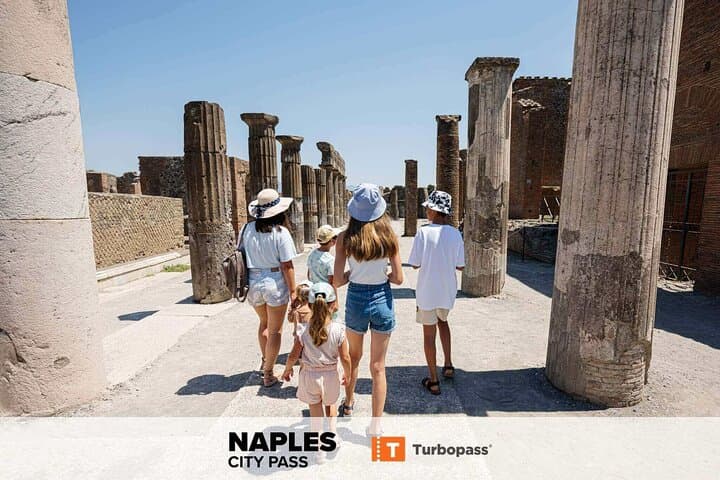
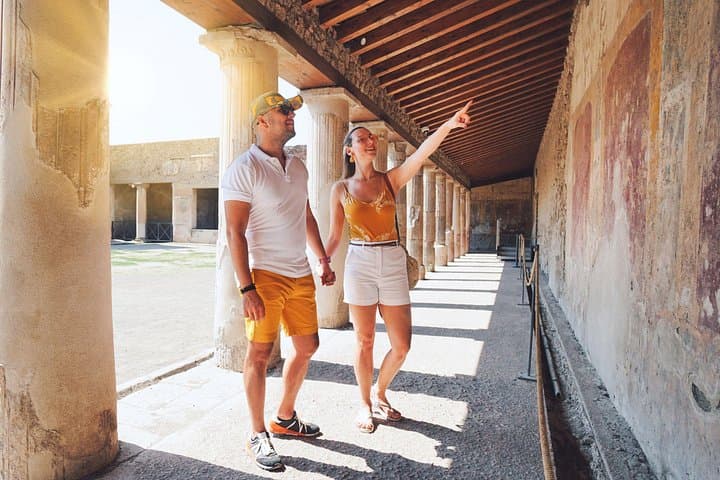
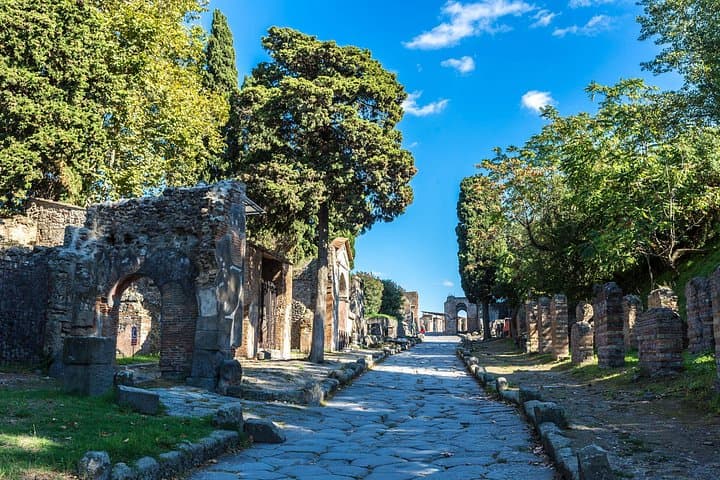
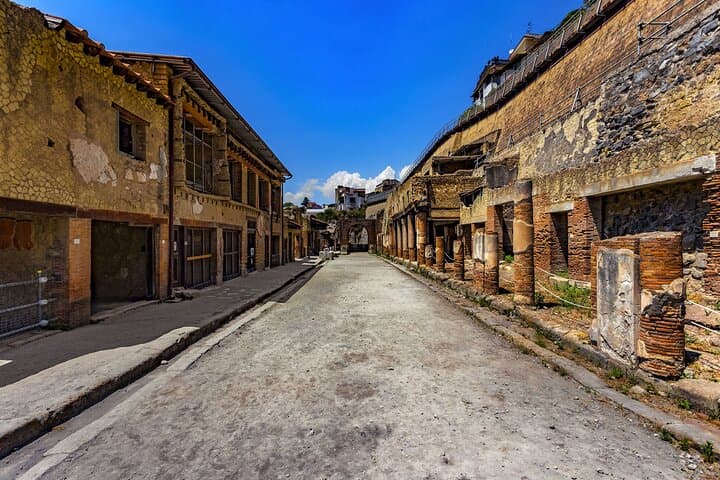
Morning light slices across the Bay of Naples, and the city wakes between the slate roofs and the sea. With a city pass in hand, travelers move from sun-baked ruins to cool museum halls: the ash-stilled streets of Pompeii one day, the vaulted tunnels of Napoli Sotterranea the next.
Morning light slices across the Bay of Naples, and the city wakes between the slate roofs and the sea. With a city pass in hand, travelers move from sun-baked ruins to cool museum halls: the ash-stilled streets of Pompeii one day, the vaulted tunnels of Napoli Sotterranea the next.
Naples sits at the hinge of Mediterranean history — a Greek colony turned Roman metropolis, reshaped repeatedly by trade, conquest and the long shadow of Mount Vesuvius. The pass ties together that layered story: archaeological holdings from Pompeii and Herculaneum, Greco‑Roman sculptures in the National Archaeological Museum, and the subterranean aqueducts and wartime shelters beneath modern streets.
Expect variety. Pompeii and Herculaneum are open‑air sites with uneven volcanic stone, mosaic floors and casts that speak to the eruption of 79 AD. Naples Underground is cool, narrow and partly below walking level; museums offer organized galleries and climate‑controlled displays. Local culture threads through it all — busy markets, espresso bars, and a football museum that captures a city’s passion.
Practical essentials: book Pompeii reservations through the digital pass at least 72 hours in advance, wear sturdy walking shoes for cobbles and exposed sites, and carry water and sun protection for longer outdoor periods. Pace the itinerary over 2–4 days to avoid museum fatigue; use the optional hop‑on hop‑off bus to cover ground efficiently. Check opening hours — many sites close one weekday — and respect site rules: no touching mosaics, stay on marked paths. With basic planning the Naples City Pass makes a compact, flexible way to see a city whose streets keep turning new pages of history.