THE ADVENTURE COLLECTIVE® · Independent discovery and booking for outdoor travel

Walk centuries in a single day: from Spaccanapoli’s narrow quarters and Caravaggio’s chiaroscuro to the funicular climb and panoramic views from Castel Sant'Elmo. This private Naples tour blends art, history, and local flavor into a six-hour immersion.
Walk centuries in a single day: from Spaccanapoli’s narrow quarters and Caravaggio’s chiaroscuro to the funicular climb and panoramic views from Castel Sant'Elmo. This private Naples tour blends art, history, and local flavor into a six-hour immersion.
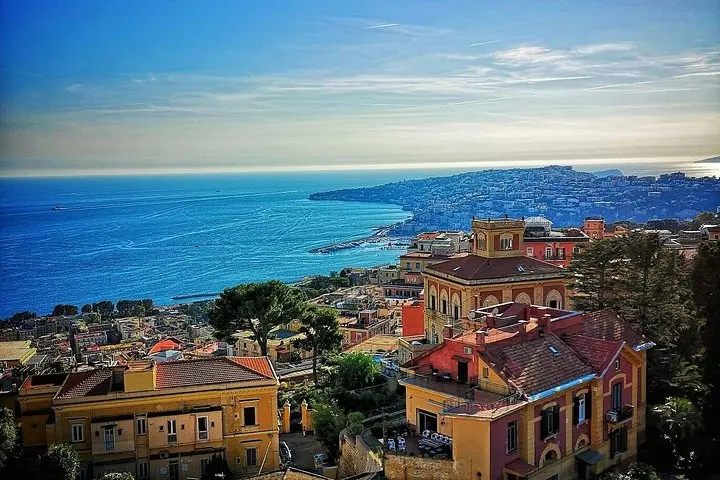
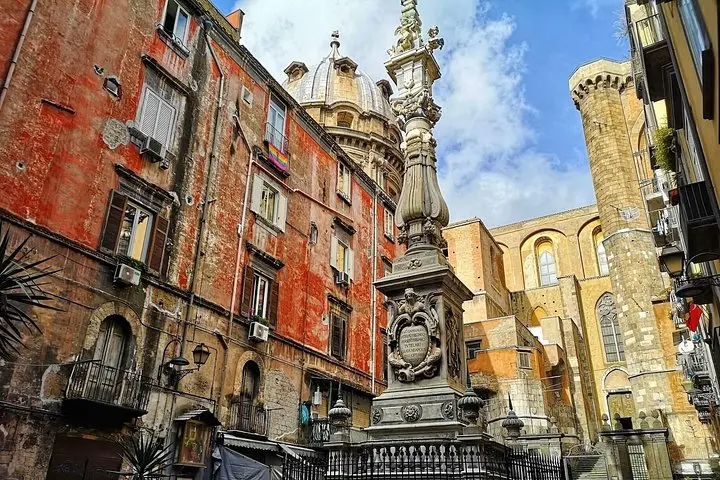
You step out from a shaded courtyard into a throat-narrow street and the city negotiates with you—noise, scent, stone. Spaccanapoli slices the old center in two: a ribbon of shops, espresso bars, and churches that has guided Neapolitans since the Greeks laid out this grid. Above it all, Mount Vesuvius looms not as a postcard backdrop but as a living edge to the Bay of Naples, its presence nudging each square and piazza with a careful gravity.
Verified experiences and guided adventures in the surrounding area.
Operated by Through Eternity Tours · Naples, Campania
You step out from a shaded courtyard into a throat-narrow street and the city negotiates with you—noise, scent, stone. Spaccanapoli slices the old center in two: a ribbon of shops, espresso bars, and churches that has guided Neapolitans since the Greeks laid out this grid. Above it all, Mount Vesuvius looms not as a postcard backdrop but as a living edge to the Bay of Naples, its presence nudging each square and piazza with a careful gravity.
This private six-hour walk begins where Naples's layers are most legible: the Duomo’s heavy doors open onto Baroque excess and the glitter of the Chapel of the Treasure of San Gennaro. Nearby, Pio Monte della Misericordia houses Caravaggio’s dramatic, candlelit figures—paint that still seems to breathe. The route threads past Via San Gregorio Armeno, where tiny papier-mâché shepherds and hand-painted nativity figures crowd the storefronts; this is craft still being made, day by day, generation to generation.
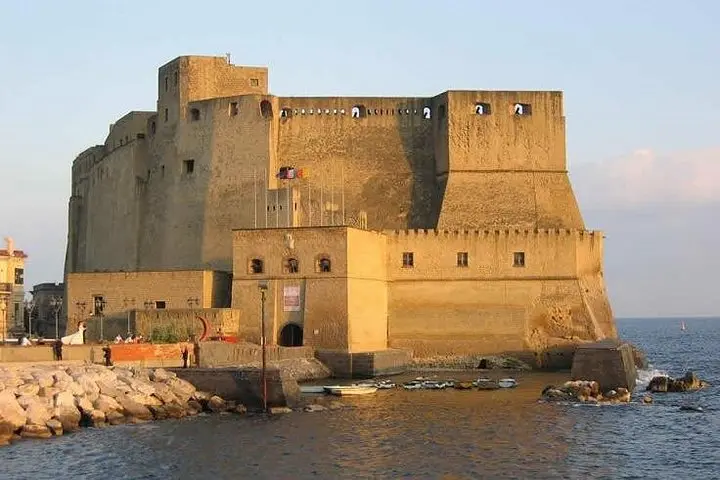
Geology and history sit side by side here. Naples began as a Greek port more than 2,500 years ago; its tephra-stained soil and terraces were shaped by repeated eruptions from Vesuvius, most famously in AD 79. The majolica cloister of Santa Chiara—its tiles an implausible bloom of color—speaks to the city’s medieval and Renaissance rebirths after centuries of conquest and renewal.
After a midday lunch of pizza made the Neapolitan way, the tour climbs—literally—by funicular to Vomero. Streets steepen, and the medieval bulk of Castel Sant'Elmo occupies the skyline: its ramparts give a 360-degree inspection of the city, harbor, and the volcano that both feeds and threatens this place. The ascent is short but sudden; if you choose to walk, expect cobbles and steps that demand attention.
Practical notes: the tour lasts about six hours and covers uneven pavements and stairways; comfortable walking shoes are essential. Guides include skip-the-line access and headsets for groups larger than six, which keeps the pace steady and noise low in churches. Start early in summer to avoid midday heat and to catch softer light in narrow lanes; winters are damp but atmospheric, with fewer crowds.
Local etiquette matters: speak softly in churches, ask before photographing inside chapels, and be mindful of pickpockets in crowded markets. Hydrate—water fountains dot the center—and pause at a belvedere in Vomero to watch the sea reflect light off fisher boats below. This is a tour of contrasts: art’s stillness against the city’s continuous movement, and a volcano that always reminds you how recent the ground under your feet really is.
The tour is listed as wheelchair accessible, but some historic sites include steps; advise the operator of mobility needs at booking so they can tailor the route.
Skip-the-line tickets and relevant admissions are included as described, but confirm specifics (e.g., museum closures) when booking.
This is a private tour with flexible start times—request custom stops or pacing during booking to match interests.
Expect several kilometers of walking over cobbles and staircases across six hours; there are chances to sit and rest at cafés or viewpoints.
Lunch is not included by default—your guide will recommend local pizzerias and trattorie and can arrange a stop based on dietary needs.
English-speaking private guides are provided; ask for other languages when booking to confirm availability.
Through Eternity Tours operates guided outdoor trips and adventures with an emphasis on safety, stewardship, and memorable experiences.

You step out from a shaded courtyard into a throat-narrow street and the city negotiates with you—noise, scent, stone. Spaccanapoli slices the old center in two: a ribbon of shops, espresso bars, and churches that has guided Neapolitans since the Greeks laid out this grid. Above it all, Mount Vesuvius looms not as a postcard backdrop but as a living edge to the Bay of Naples, its presence nudging each square and piazza with a careful gravity.
You step out from a shaded courtyard into a throat-narrow street and the city negotiates with you—noise, scent, stone. Spaccanapoli slices the old center in two: a ribbon of shops, espresso bars, and churches that has guided Neapolitans since the Greeks laid out this grid. Above it all, Mount Vesuvius looms not as a postcard backdrop but as a living edge to the Bay of Naples, its presence nudging each square and piazza with a careful gravity.
This private six-hour walk begins where Naples's layers are most legible: the Duomo’s heavy doors open onto Baroque excess and the glitter of the Chapel of the Treasure of San Gennaro. Nearby, Pio Monte della Misericordia houses Caravaggio’s dramatic, candlelit figures—paint that still seems to breathe. The route threads past Via San Gregorio Armeno, where tiny papier-mâché shepherds and hand-painted nativity figures crowd the storefronts; this is craft still being made, day by day, generation to generation.
Geology and history sit side by side here. Naples began as a Greek port more than 2,500 years ago; its tephra-stained soil and terraces were shaped by repeated eruptions from Vesuvius, most famously in AD 79. The majolica cloister of Santa Chiara—its tiles an implausible bloom of color—speaks to the city’s medieval and Renaissance rebirths after centuries of conquest and renewal.
After a midday lunch of pizza made the Neapolitan way, the tour climbs—literally—by funicular to Vomero. Streets steepen, and the medieval bulk of Castel Sant'Elmo occupies the skyline: its ramparts give a 360-degree inspection of the city, harbor, and the volcano that both feeds and threatens this place. The ascent is short but sudden; if you choose to walk, expect cobbles and steps that demand attention.
Practical notes: the tour lasts about six hours and covers uneven pavements and stairways; comfortable walking shoes are essential. Guides include skip-the-line access and headsets for groups larger than six, which keeps the pace steady and noise low in churches. Start early in summer to avoid midday heat and to catch softer light in narrow lanes; winters are damp but atmospheric, with fewer crowds.
Local etiquette matters: speak softly in churches, ask before photographing inside chapels, and be mindful of pickpockets in crowded markets. Hydrate—water fountains dot the center—and pause at a belvedere in Vomero to watch the sea reflect light off fisher boats below. This is a tour of contrasts: art’s stillness against the city’s continuous movement, and a volcano that always reminds you how recent the ground under your feet really is.