THE ADVENTURE COLLECTIVE® · Independent discovery and booking for outdoor travel

Drive from Naples into southern Italy’s limestone fields to visit Monte Cassino, a family‑run winery and the cone‑roofed trulli of Alberobello. This eight‑hour private tour mixes history, local wine tasting and short walks through UNESCO‑listed streets.
Drive from Naples into southern Italy’s limestone fields to visit Monte Cassino, a family‑run winery and the cone‑roofed trulli of Alberobello. This eight‑hour private tour mixes history, local wine tasting and short walks through UNESCO‑listed streets.
You arrive before dawn in an air-conditioned van, the ribbon of autostrada sliding past olive groves as the driver outlines the day: Monte Cassino’s abbey, a winery in Sessa Aurunca, and a two‑hour visit to the trulli of Alberobello. The first light sharpens limestone roofs into ridged cones, and the village streets feel like a pocket of another century where dry‑stacked stones keep their own quiet.
Verified experiences and guided adventures in the surrounding area.
Operated by AmalfiTourCampania · Alberobello, Apulia (Puglia)
You arrive before dawn in an air-conditioned van, the ribbon of autostrada sliding past olive groves as the driver outlines the day: Monte Cassino’s abbey, a winery in Sessa Aurunca, and a two‑hour visit to the trulli of Alberobello. The first light sharpens limestone roofs into ridged cones, and the village streets feel like a pocket of another century where dry‑stacked stones keep their own quiet.
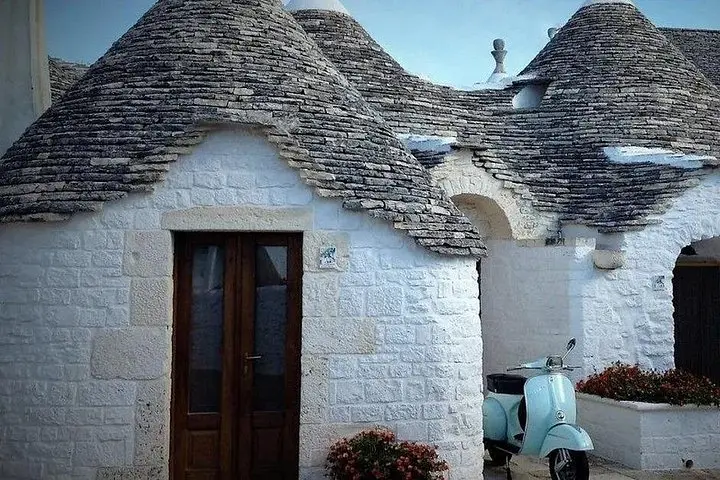
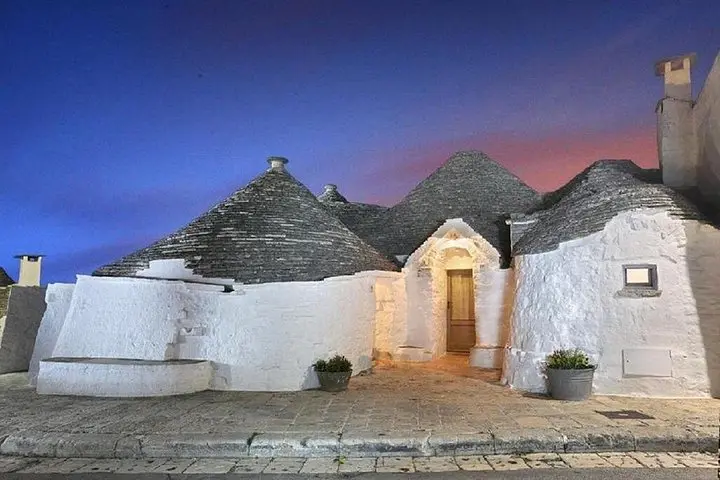
The trulli are prehistoric in technique and modern in story: rough limestone gathered from fields, stacked without mortar into conical forms that evolved from peasant shelters to UNESCO‑listed architecture. Monte Cassino’s abbey, rebuilt after WWII, recalls centuries of monastic scholarship and the geology of the Apennines — tufaceous rock and stratified limestone that shaped settlement and defense. In Sessa Aurunca, volcanic soils meet coastal plains, producing grapes that complement the region’s cuisine.
Expect guided context more than a strenuous trek: short walks on cobbled lanes, some steps, and time in small cellars. Practical notes: wear grippy shoes for uneven stone, bring a light layer for coastal breezes, and allow time for photo stops and unhurried wine tastings. The tour runs about eight hours with multilingual commentary, bottled water onboard, and Wi‑Fi; lunch at the winery is optional and often not included. Arrive with curiosity and moderate mobility — you’ll leave having walked through history, tasted the region’s character, and seen how geology and culture shaped a unique rural landscape.
Lunch at the winery is often offered but not always included—check the booking details or ask the operator to confirm inclusions.
The tour includes approximately a two‑hour visit in Alberobello for walking the trulli district and visiting key sites.
The tour provides regular restroom stops; parts of Alberobello and Monte Cassino have steps and uneven surfaces, so accessibility is limited in some areas.
Many local wineries offer open tastings during tours, but levels vary—confirm with the host if tasting volume or pairing options matter to you.
AmalfiTourCampania operates guided outdoor trips and adventures with an emphasis on safety, stewardship, and memorable experiences.

You arrive before dawn in an air-conditioned van, the ribbon of autostrada sliding past olive groves as the driver outlines the day: Monte Cassino’s abbey, a winery in Sessa Aurunca, and a two‑hour visit to the trulli of Alberobello. The first light sharpens limestone roofs into ridged cones, and the village streets feel like a pocket of another century where dry‑stacked stones keep their own quiet.
You arrive before dawn in an air-conditioned van, the ribbon of autostrada sliding past olive groves as the driver outlines the day: Monte Cassino’s abbey, a winery in Sessa Aurunca, and a two‑hour visit to the trulli of Alberobello. The first light sharpens limestone roofs into ridged cones, and the village streets feel like a pocket of another century where dry‑stacked stones keep their own quiet.
The trulli are prehistoric in technique and modern in story: rough limestone gathered from fields, stacked without mortar into conical forms that evolved from peasant shelters to UNESCO‑listed architecture. Monte Cassino’s abbey, rebuilt after WWII, recalls centuries of monastic scholarship and the geology of the Apennines — tufaceous rock and stratified limestone that shaped settlement and defense. In Sessa Aurunca, volcanic soils meet coastal plains, producing grapes that complement the region’s cuisine.
Expect guided context more than a strenuous trek: short walks on cobbled lanes, some steps, and time in small cellars. Practical notes: wear grippy shoes for uneven stone, bring a light layer for coastal breezes, and allow time for photo stops and unhurried wine tastings. The tour runs about eight hours with multilingual commentary, bottled water onboard, and Wi‑Fi; lunch at the winery is optional and often not included. Arrive with curiosity and moderate mobility — you’ll leave having walked through history, tasted the region’s character, and seen how geology and culture shaped a unique rural landscape.