THE ADVENTURE COLLECTIVE® · Independent discovery and booking for outdoor travel

This 13‑day Nar‑Phu circuit threads remote Tibetan‑influenced villages, high alpine passes and close views of Annapurna II. Expect teahouse nights, steep climbs to 5,240 m and purposeful acclimatization for a true off‑the‑beaten‑path Himalayan trek.
This 13‑day Nar‑Phu circuit threads remote Tibetan‑influenced villages, high alpine passes and close views of Annapurna II. Expect teahouse nights, steep climbs to 5,240 m and purposeful acclimatization for a true off‑the‑beaten‑path Himalayan trek.
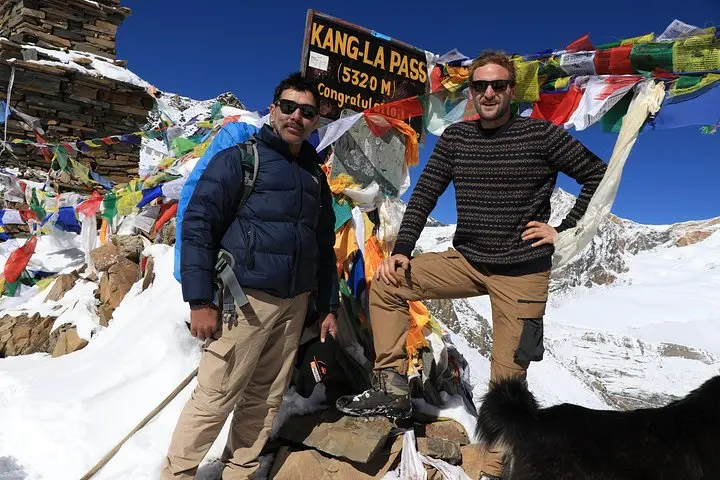
High on the rain-shadow side of the Annapurna range, prayer flags snap across a cobalt sky and mani stones edge a narrow trail as you climb into the Nar–Phu valleys. Early mornings bring a hush broken by yak bells; late afternoons offer trophy views of Annapurna II, Himlung Himal and Tilicho Peak framed by steep, glaciated ridgelines.
Verified experiences and guided adventures in the surrounding area.
Operated by Adventure Thirdpole · Manang, Gandaki Province
High on the rain-shadow side of the Annapurna range, prayer flags snap across a cobalt sky and mani stones edge a narrow trail as you climb into the Nar–Phu valleys. Early mornings bring a hush broken by yak bells; late afternoons offer trophy views of Annapurna II, Himlung Himal and Tilicho Peak framed by steep, glaciated ridgelines.
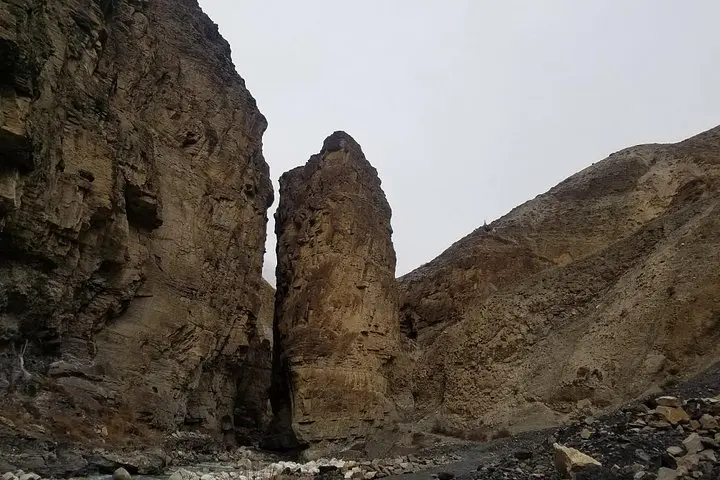
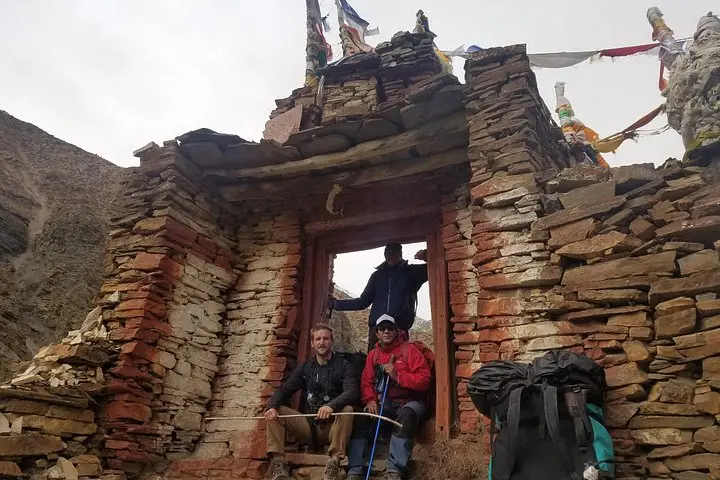
The route threads old trans‑Himalayan villages and remote monasteries where Tibetan-derived culture remains visible in carved prayer stones and painted gompas. Geology is raw: compact glacial moraines, polished schist and seasonal braided streams that have carved the valley floors for millennia, leaving steep carved terraces and sparse alpine meadows at higher elevations.
Expect teahouse lodges and monastery stays rather than luxury; the itinerary includes acclimatization days in Phu (4,080 m) and a high crossing at Kang La (~5,240 m) before descending toward Manang and Pisang. Trails vary from forested rhododendron and pine on lower slopes to rocky scree and hard-packed snow higher up. Annapurna Conservation Area and TIMS permits are required and typically arranged by operators.
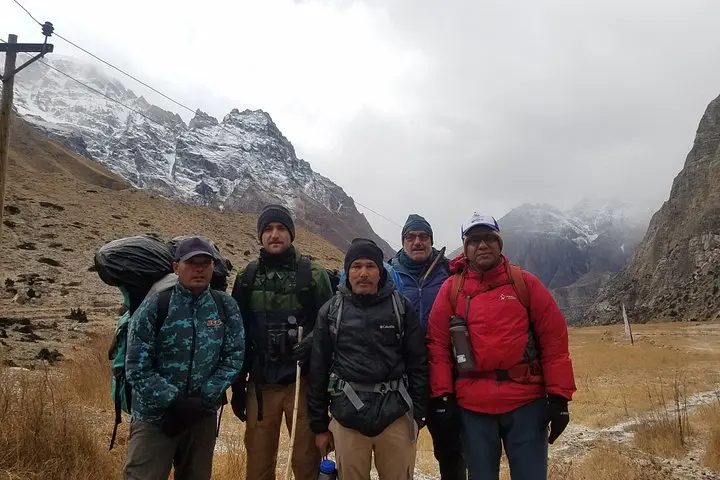
Practical notes: pace your ascent—daily gains often exceed 600–800 m on long days—and carry layers for intense sun and sub‑zero nights. Good waterproof boots, a sleeping bag rated to -10°C, and a guide/porter will make the difference on loose scree and during high winds on the pass. Water treatment, sun protection, and a simple AMS plan (slow ascent, hydrate, recognize symptoms) are essential. This is a remote, high‑altitude circuit: rewarding views and deep cultural encounters come with logistical and physiological demands.
Yes—Annapurna Conservation Area entry and TIMS permits are required; reputable operators usually arrange these before you leave Kathmandu.
The Kang La area reaches about 5,240 m; the crossing is non‑technical but involves steep, exposed sections and possible snow—experience with high‑altitude trekking is recommended.
Yes—lodging is primarily teahouses and simple lodges in villages and at monastery stops; expect basic facilities and shared rooms.
Spring (April–May) and autumn (September–November) offer the most stable weather, clearer mountain views and accessible trails.
Adventure Thirdpole operates guided outdoor trips and adventures with an emphasis on safety, stewardship, and memorable experiences.
High on the rain-shadow side of the Annapurna range, prayer flags snap across a cobalt sky and mani stones edge a narrow trail as you climb into the Nar–Phu valleys. Early mornings bring a hush broken by yak bells; late afternoons offer trophy views of Annapurna II, Himlung Himal and Tilicho Peak framed by steep, glaciated ridgelines.
High on the rain-shadow side of the Annapurna range, prayer flags snap across a cobalt sky and mani stones edge a narrow trail as you climb into the Nar–Phu valleys. Early mornings bring a hush broken by yak bells; late afternoons offer trophy views of Annapurna II, Himlung Himal and Tilicho Peak framed by steep, glaciated ridgelines.
The route threads old trans‑Himalayan villages and remote monasteries where Tibetan-derived culture remains visible in carved prayer stones and painted gompas. Geology is raw: compact glacial moraines, polished schist and seasonal braided streams that have carved the valley floors for millennia, leaving steep carved terraces and sparse alpine meadows at higher elevations.
Expect teahouse lodges and monastery stays rather than luxury; the itinerary includes acclimatization days in Phu (4,080 m) and a high crossing at Kang La (~5,240 m) before descending toward Manang and Pisang. Trails vary from forested rhododendron and pine on lower slopes to rocky scree and hard-packed snow higher up. Annapurna Conservation Area and TIMS permits are required and typically arranged by operators.
Practical notes: pace your ascent—daily gains often exceed 600–800 m on long days—and carry layers for intense sun and sub‑zero nights. Good waterproof boots, a sleeping bag rated to -10°C, and a guide/porter will make the difference on loose scree and during high winds on the pass. Water treatment, sun protection, and a simple AMS plan (slow ascent, hydrate, recognize symptoms) are essential. This is a remote, high‑altitude circuit: rewarding views and deep cultural encounters come with logistical and physiological demands.