THE ADVENTURE COLLECTIVE® · Independent discovery and booking for outdoor travel

A remote 12-day trek that links the isolated communities of Nar and Phu with a high alpine crossing at Kang La (5,320 m). Expect steep stone trails, teahouse nights, and sweeping views of the Annapurna range.
A remote 12-day trek that links the isolated communities of Nar and Phu with a high alpine crossing at Kang La (5,320 m). Expect steep stone trails, teahouse nights, and sweeping views of the Annapurna range.
You step out of the jeep into cold, thin air and the valley breathes around you: craggy ridgelines, a carved canyon, and a scatter of slate-roofed villages that seem to refuse modern noise. The first day’s climb moves from subtropical forest into pine and rhododendron, and within a few days the world has narrowed to stone, prayer flags, and the steady rhythm of your boots.
Verified experiences and guided adventures in the surrounding area.
Operated by Breeze Adventure Pvt Ltd · Nar, Gandaki Province
You step out of the jeep into cold, thin air and the valley breathes around you: craggy ridgelines, a carved canyon, and a scatter of slate-roofed villages that seem to refuse modern noise. The first day’s climb moves from subtropical forest into pine and rhododendron, and within a few days the world has narrowed to stone, prayer flags, and the steady rhythm of your boots.
This 12-day route threads Nar and Phu, two traditional Manang settlements that preserved Tibetan-influenced culture for centuries. Geologically the valley is a cross-section of Himalayan uplift—river-cut canyons, glacial cirques, and moraine fields lead to Kang La (5,320 m), which offers a nearly uninterrupted skyline of Annapurna II–IV and Gangapurna.
Expect tea-house and local guest-house nights, a mix of steep stone stairways and scree slopes, and daily gains that vary: Dharapani (1,860 m) to Koto (2,600 m), then up to Meta (3,560 m) and Phu (4,080 m) before the big push across Kang La to Ngawal.
Practically: acclimatize, plan for weather swings, and carry layers for wind and sun at high elevations. Hydration and slow ascent are non-negotiable—most days are 5–8 hours of walking, with the Kang La day the longest and most technical in terms of sustained altitude gain. Permits (ACAP/TIMS and local permissions), a certified guide, and a solid kit—insulated jacket, crampons for icy sections, and warm sleep system—make this remote trek safe and rewarding. The payoff is cultural immersion in villages unchanged by time and panoramic Himalayan walls that push the sky back.
You will need the Annapurna Conservation Area Permit (ACAP) and a TIMS card; guides often arrange any local or restricted-area permissions required for Nar Phu.
Kang La is the most demanding day—expect a long climb to 5,320 m with steep, exposed sections and possible snow; allow extra time and energy for the ascent and descent.
Yes; accommodation is basic local guest houses and teahouses with shared rooms and simple meals—bring a warm sleeping bag for higher nights.
Spring (April–May) and autumn (Sept–Nov) offer the most stable weather and clearer mountain views; shoulder seasons can be colder and snowier on the pass.
Breeze Adventure Pvt Ltd operates guided outdoor trips and adventures with an emphasis on safety, stewardship, and memorable experiences.
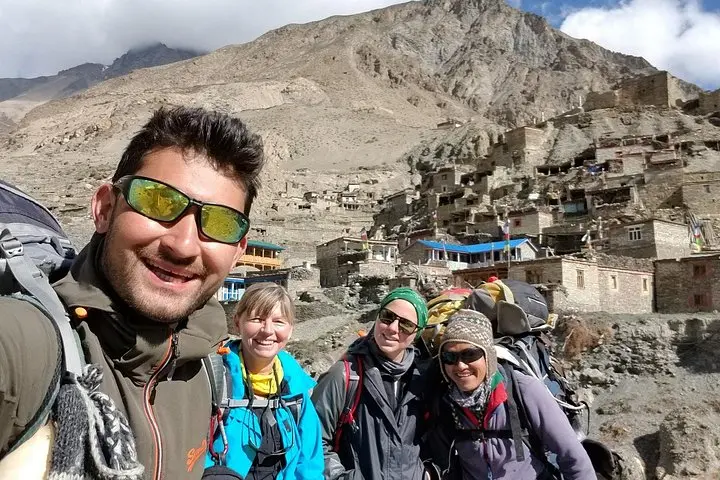
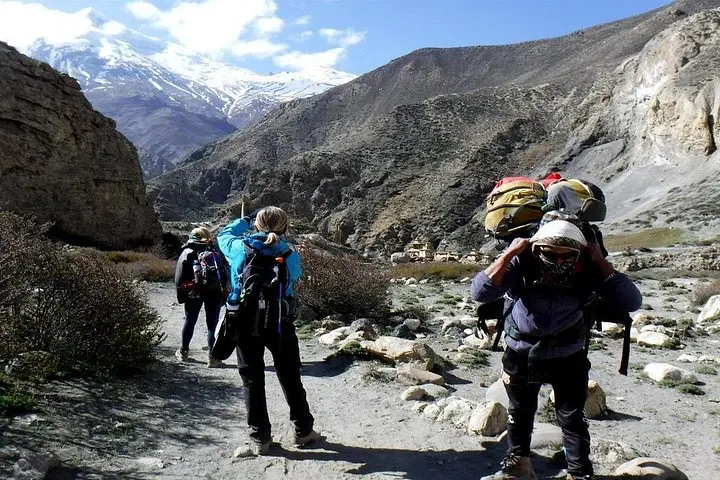
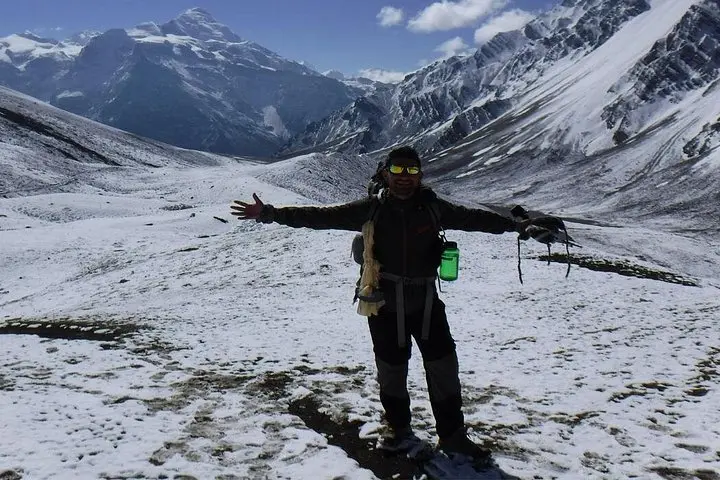
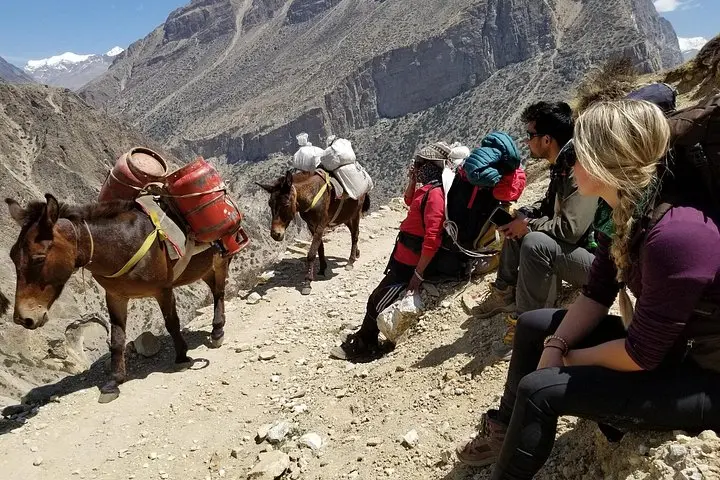
You step out of the jeep into cold, thin air and the valley breathes around you: craggy ridgelines, a carved canyon, and a scatter of slate-roofed villages that seem to refuse modern noise. The first day’s climb moves from subtropical forest into pine and rhododendron, and within a few days the world has narrowed to stone, prayer flags, and the steady rhythm of your boots.
You step out of the jeep into cold, thin air and the valley breathes around you: craggy ridgelines, a carved canyon, and a scatter of slate-roofed villages that seem to refuse modern noise. The first day’s climb moves from subtropical forest into pine and rhododendron, and within a few days the world has narrowed to stone, prayer flags, and the steady rhythm of your boots.
This 12-day route threads Nar and Phu, two traditional Manang settlements that preserved Tibetan-influenced culture for centuries. Geologically the valley is a cross-section of Himalayan uplift—river-cut canyons, glacial cirques, and moraine fields lead to Kang La (5,320 m), which offers a nearly uninterrupted skyline of Annapurna II–IV and Gangapurna.
Expect tea-house and local guest-house nights, a mix of steep stone stairways and scree slopes, and daily gains that vary: Dharapani (1,860 m) to Koto (2,600 m), then up to Meta (3,560 m) and Phu (4,080 m) before the big push across Kang La to Ngawal.
Practically: acclimatize, plan for weather swings, and carry layers for wind and sun at high elevations. Hydration and slow ascent are non-negotiable—most days are 5–8 hours of walking, with the Kang La day the longest and most technical in terms of sustained altitude gain. Permits (ACAP/TIMS and local permissions), a certified guide, and a solid kit—insulated jacket, crampons for icy sections, and warm sleep system—make this remote trek safe and rewarding. The payoff is cultural immersion in villages unchanged by time and panoramic Himalayan walls that push the sky back.