
Nara Afternoon Tour from Kyoto: Todai-ji, Deer & Kasugataisha Main Sanctuary Access
A compact cultural half-day from Kyoto that pairs the monumental Daibutsu at Todai-ji with the lantern-lit serenity of Kasugataisha. This tour now includes rare access to Kasuga’s Main Sanctuary, offering a closer look at Nara’s religious heart.
An Adventure In Kyoto.
A compact cultural half-day from Kyoto that pairs the monumental Daibutsu at Todai-ji with the lantern-lit serenity of Kasugataisha. This tour now includes rare access to Kasuga’s Main Sanctuary, offering a closer look at Nara’s religious heart.
Read the full experience
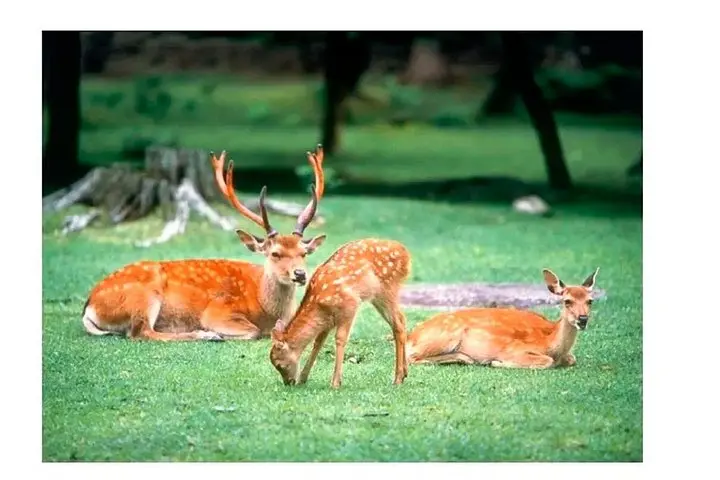
You step off a comfortable coach and the air changes—quieter, cooler, threaded with wood smoke and pine. Nara Park opens like a living plaza: deer drift between tourists and temple gates, bold enough to sniff a map and patient enough to stand aside for a bowing child.
You step off a comfortable coach and the air changes—quieter, cooler, threaded with wood smoke and pine. Nara Park opens like a living plaza: deer drift between tourists and temple gates, bold enough to sniff a map and patient enough to stand aside for a bowing child.
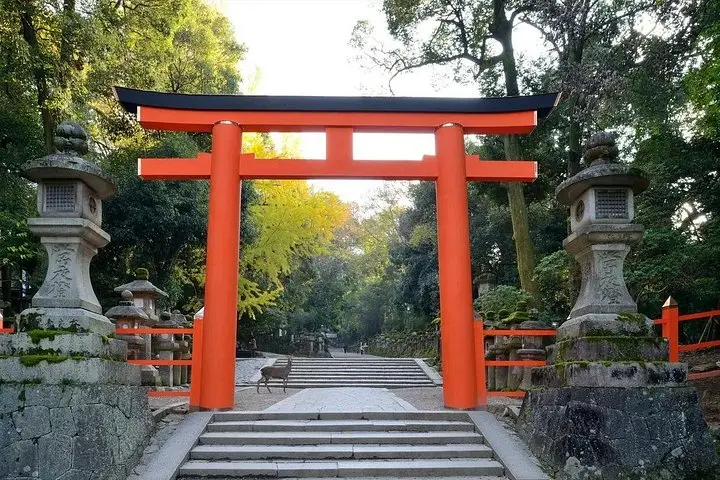
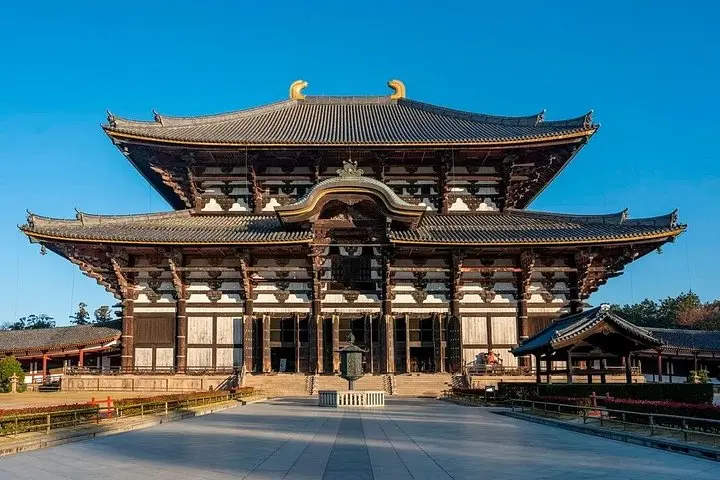
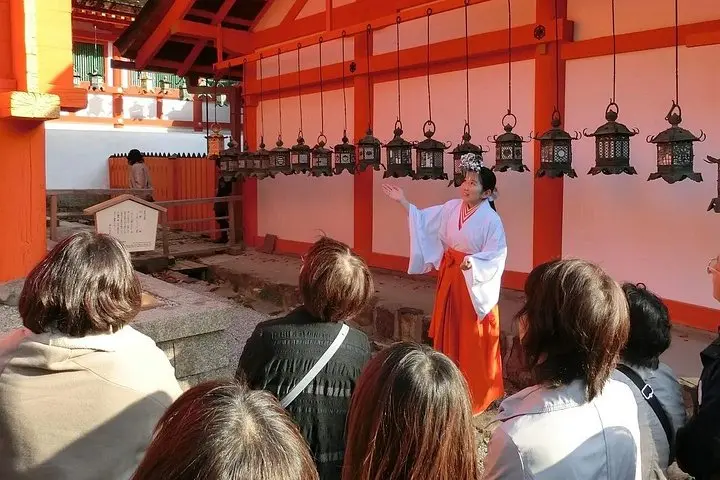
This half-day tour stitches together two of Nara’s core stories. Todai-ji, rebuilt in the 8th century, houses the Daibutsu (Great Buddha) inside one of the world’s largest wooden halls—an architectural result of imperial patronage during Japan’s Nara Period. A short walk through the park leads into the ancient forest at Kasugataisha Shrine, where thousands of bronze and stone lanterns line shaded paths. Geologically the city sits in the Nara Basin, a gentle lowland ringed by cedar-clad hills that frame the temples and shape the microclimate.
Culturally, the deer here are more than tourist attractions: historically regarded as messengers of the kami, they move through shrines with a casual authority, and Kasuga’s kasuga-zukuri buildings and lanterns reflect centuries of Shinto practice.
Practicalities are straightforward: allow 4–5 hours for round-trip travel from Kyoto, expect about 25 minutes’ walking from the parking area to Todai-ji, and plan for crowds around the Great Buddha. Wear sturdy, closed shoes and dress modestly for shrine access; bring a small amount of cash for donations and souvenir deer crackers if you wish. If you have mobility needs, notify the operator in advance—parts of the route are wheelchair accessible but include unpaved forest paths. Visit in the late afternoon for softer light and slightly thinner crowds, and be prepared to let the deer decide how close you’ll get.
Frequently asked questions
Yes—this tour includes admission to the attractions specified in the itinerary, so you won’t need to buy separate tickets on site.
Starting January 2025, this tour provides special access to the Main Sanctuary area that is normally restricted, though access may be limited by crowds or rituals.
The tour notes wheelchair accessibility, but guests should inform the operator at booking—the route includes some uneven paths and short walks from parking areas.
The tour provides round-trip transfers from Kyoto as part of the booking, eliminating the need to arrange separate transport.
About This Experience
TrevoTour Travels operates guided outdoor trips and adventures with an emphasis on safety, stewardship, and memorable experiences.
Adventure tips
Recommended gear
- Sturdy walking shoes: Closed-toe shoes handle gravel paths, temple steps, and park trails comfortably.
- Reusable water bottle: Keeps you hydrated during the afternoon tour—many sites have drinking fountains or shops to refill.
- Light rain jacket: Spring showers are common; a compact shell keeps you dry without bulk.
- Modest layers (scarf or light cover-up): Useful for both weather changes and respectful shrine/temple attire.
Photos of the experience
Related adventures & guides
Read the full experience
You step off a comfortable coach and the air changes—quieter, cooler, threaded with wood smoke and pine. Nara Park opens like a living plaza: deer drift between tourists and temple gates, bold enough to sniff a map and patient enough to stand aside for a bowing child.
You step off a comfortable coach and the air changes—quieter, cooler, threaded with wood smoke and pine. Nara Park opens like a living plaza: deer drift between tourists and temple gates, bold enough to sniff a map and patient enough to stand aside for a bowing child.
This half-day tour stitches together two of Nara’s core stories. Todai-ji, rebuilt in the 8th century, houses the Daibutsu (Great Buddha) inside one of the world’s largest wooden halls—an architectural result of imperial patronage during Japan’s Nara Period. A short walk through the park leads into the ancient forest at Kasugataisha Shrine, where thousands of bronze and stone lanterns line shaded paths. Geologically the city sits in the Nara Basin, a gentle lowland ringed by cedar-clad hills that frame the temples and shape the microclimate.
Culturally, the deer here are more than tourist attractions: historically regarded as messengers of the kami, they move through shrines with a casual authority, and Kasuga’s kasuga-zukuri buildings and lanterns reflect centuries of Shinto practice.
Practicalities are straightforward: allow 4–5 hours for round-trip travel from Kyoto, expect about 25 minutes’ walking from the parking area to Todai-ji, and plan for crowds around the Great Buddha. Wear sturdy, closed shoes and dress modestly for shrine access; bring a small amount of cash for donations and souvenir deer crackers if you wish. If you have mobility needs, notify the operator in advance—parts of the route are wheelchair accessible but include unpaved forest paths. Visit in the late afternoon for softer light and slightly thinner crowds, and be prepared to let the deer decide how close you’ll get.
Make a day of it nearby.
Verified experiences and guided adventures in the surrounding area.