THE ADVENTURE COLLECTIVE® · Independent discovery and booking for outdoor travel

Turn a long layover into a cultural day trip: visit Naritasan Shinshoji’s pagoda, witness goma fire rituals, and walk the preserved samurai residences of Sakura. This private car tour pairs accessible walking with focused historical insight.
Turn a long layover into a cultural day trip: visit Naritasan Shinshoji’s pagoda, witness goma fire rituals, and walk the preserved samurai residences of Sakura. This private car tour pairs accessible walking with focused historical insight.
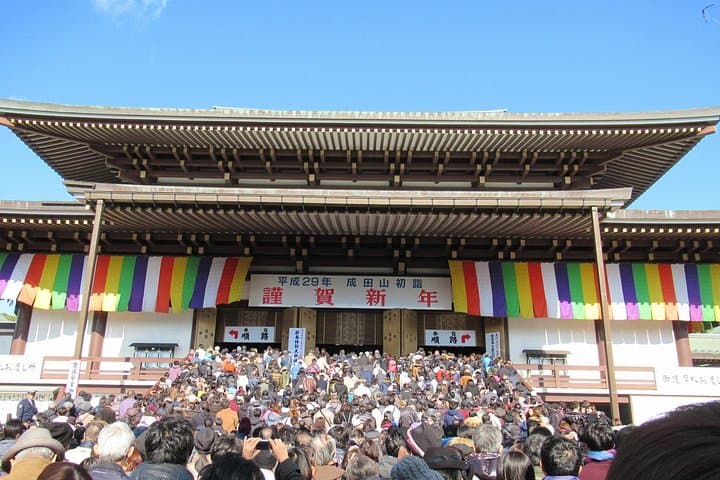
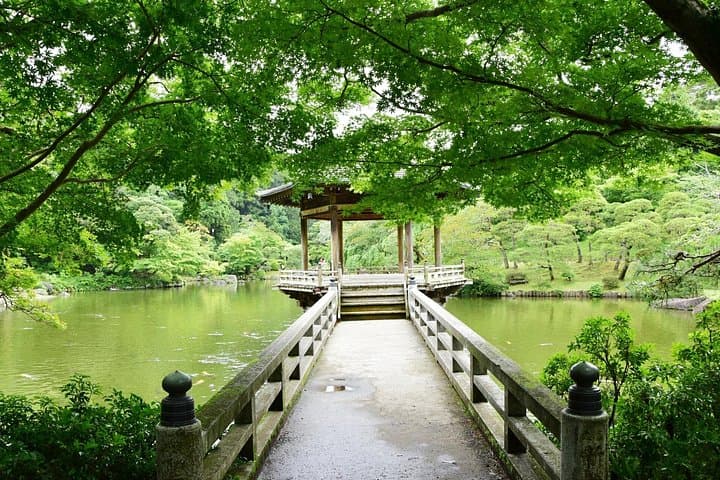
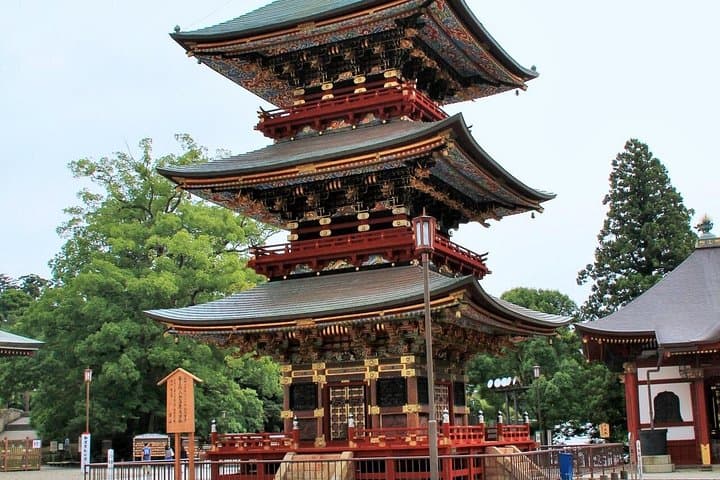
You step out of the car into a corridor of cedar trunks and the faint curl of incense that seems to mark time differently—this is Naritasan Shinshoji, a living temple whose wooden halls and three-story pagoda hold the slow, deliberate rhythm of centuries.
Verified experiences and guided adventures in the surrounding area.
Operated by MY Travel Consulting · Narita, Chiba
You step out of the car into a corridor of cedar trunks and the faint curl of incense that seems to mark time differently—this is Naritasan Shinshoji, a living temple whose wooden halls and three-story pagoda hold the slow, deliberate rhythm of centuries.
Founded as a Shingon Buddhist complex in the 10th century, Shinshoji grew around pilgrimage and protection rites for travelers to Edo; its goma fire ceremonies still punctuate the day. A short drive away, Sakura’s samurai district reads like an open-air chapter of the Edo period: earthen ramparts, hedged streets and three preserved samurai residences whose tatami rooms and latticed windows show the domestic side of Japan’s warrior class.
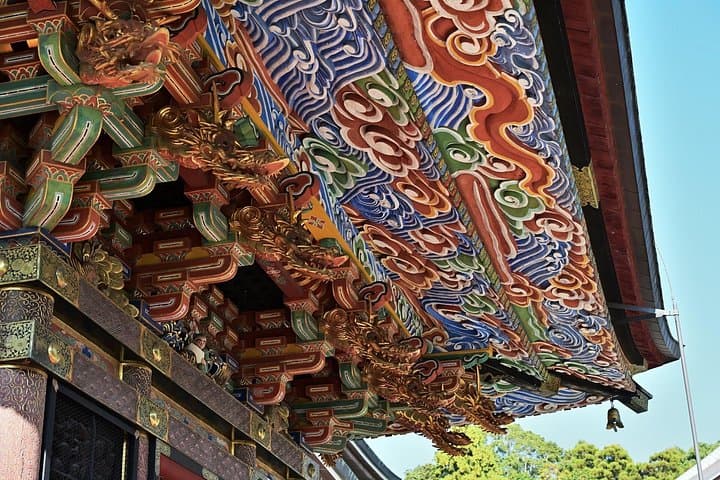
The region sits on the Kanto plain’s gentle folds—low hills, clay soils and managed waterways—so walking is mostly level but includes stone steps at the temple approach. Culture is visible in small details: carved inner sanctuaries, Niomon gate guardians, local snack stalls along the temple avenue and the deliberate choreography of shrine visitors.
Practicalities matter on a layover: this private, 7-hour tour balances driving with 2–3 hours of walking, and the temple generally closes late afternoon (around 16:00). Wear supportive shoes, carry cash for small vendors, and time your visit to catch a goma ritual if possible. Children can join with provided seats; note some samurai houses are closed Mondays. Expect a moderate pace, plenty of photographic moments, and a compact cultural immersion that turns airport downtime into a thoughtful slice of regional history.
Yes—the tour includes hotel or Narita Airport pickup; provide flight and arrival details at booking.
Some historic houses have narrow entrances and tatami floors—access is limited; contact the operator in advance for specific needs.
Yes—infant seats are provided and strollers are usable on most streets; child car seats are available and required for children under six.
The listing includes a nationally licensed guide—confirm the guide’s language when booking to ensure suitable interpretation.
MY Travel Consulting operates guided outdoor trips and adventures with an emphasis on safety, stewardship, and memorable experiences.
You step out of the car into a corridor of cedar trunks and the faint curl of incense that seems to mark time differently—this is Naritasan Shinshoji, a living temple whose wooden halls and three-story pagoda hold the slow, deliberate rhythm of centuries.
You step out of the car into a corridor of cedar trunks and the faint curl of incense that seems to mark time differently—this is Naritasan Shinshoji, a living temple whose wooden halls and three-story pagoda hold the slow, deliberate rhythm of centuries.
Founded as a Shingon Buddhist complex in the 10th century, Shinshoji grew around pilgrimage and protection rites for travelers to Edo; its goma fire ceremonies still punctuate the day. A short drive away, Sakura’s samurai district reads like an open-air chapter of the Edo period: earthen ramparts, hedged streets and three preserved samurai residences whose tatami rooms and latticed windows show the domestic side of Japan’s warrior class.
The region sits on the Kanto plain’s gentle folds—low hills, clay soils and managed waterways—so walking is mostly level but includes stone steps at the temple approach. Culture is visible in small details: carved inner sanctuaries, Niomon gate guardians, local snack stalls along the temple avenue and the deliberate choreography of shrine visitors.
Practicalities matter on a layover: this private, 7-hour tour balances driving with 2–3 hours of walking, and the temple generally closes late afternoon (around 16:00). Wear supportive shoes, carry cash for small vendors, and time your visit to catch a goma ritual if possible. Children can join with provided seats; note some samurai houses are closed Mondays. Expect a moderate pace, plenty of photographic moments, and a compact cultural immersion that turns airport downtime into a thoughtful slice of regional history.