THE ADVENTURE COLLECTIVE® · Independent discovery and booking for outdoor travel

Spend a day on the Chambal River from Agra, cruising past sandbars where gharials bask and migratory birds gather. This guided river safari combines wildlife watching, a stop at Bateshwar’s temple complex, and a riverside lunch.
Spend a day on the Chambal River from Agra, cruising past sandbars where gharials bask and migratory birds gather. This guided river safari combines wildlife watching, a stop at Bateshwar’s temple complex, and a riverside lunch.
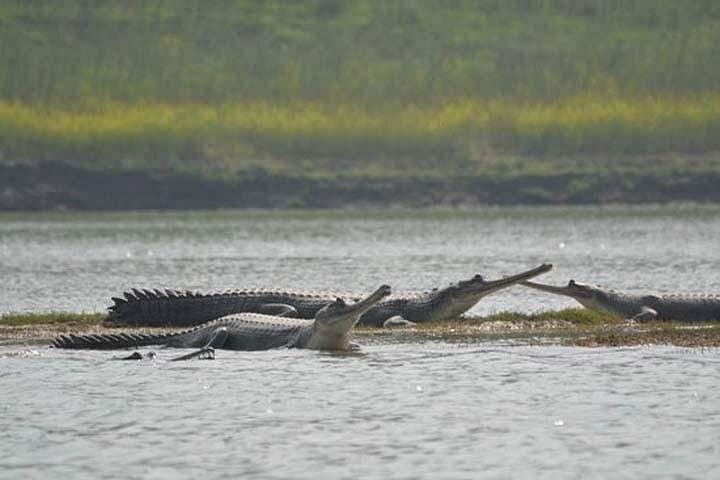
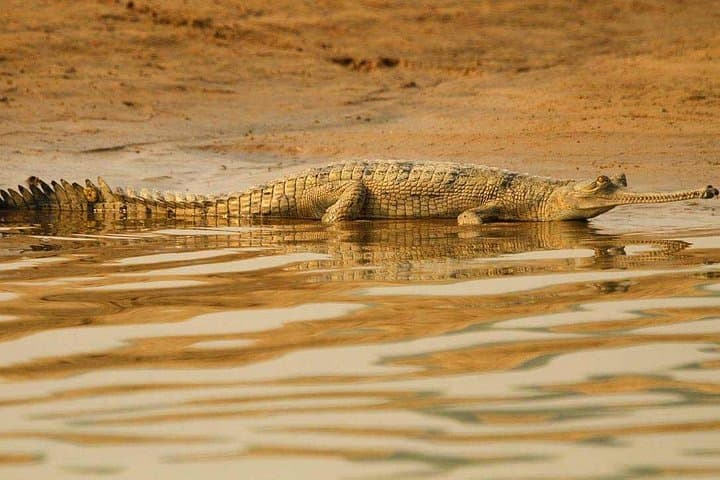
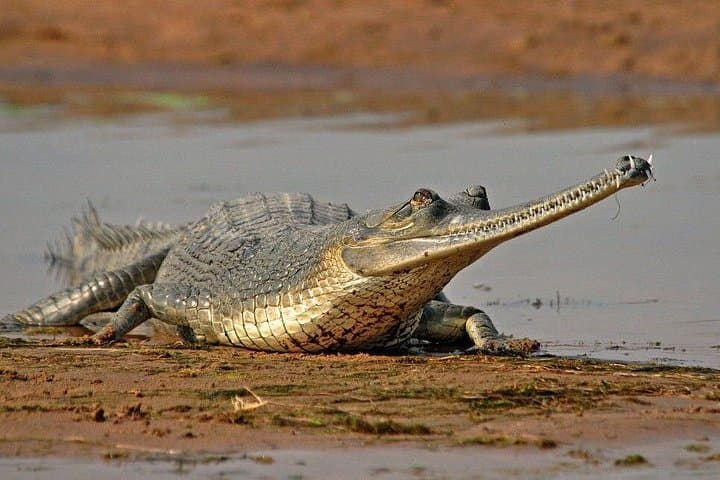
Morning light slants across the Chambal as the boat slips from the bank and the river takes command, pushing you downstream past sandbars where reptiles warm themselves and flocks wheel above.
Verified experiences and guided adventures in the surrounding area.
Operated by S.A.M Tours & Travels · Dholpur, Rajasthan
Morning light slants across the Chambal as the boat slips from the bank and the river takes command, pushing you downstream past sandbars where reptiles warm themselves and flocks wheel above.
This full-day outing begins with a drive from Agra to Bateshwar and an eco-lodge lunch, then a two-hour motorized river safari through the National Chambal Sanctuary. The river’s wide channels and exposed islands are products of Pleistocene and Holocene sediment dynamics; erosion and deposition create the gravel shoals that gharials use for nesting. The sanctuary spans three states and was created to protect gharial crocodiles, Gangetic dolphins, and a rich migratory-bird corridor.
Culturally, Bateshwar’s row of Shiva temples and ringing brass bells offer a contrast to the quiet of the river: human history and riverine ecology exist side by side. Guides will point out riverine vegetation like bamboo and acacia and explain local conservation work to reduce fishing and boat disturbance.
Practical guidance: book early for winter months (November–February) when migratory birds and dolphins are most visible; mornings are cooler and light is better for photography. Bring binoculars and sun protection, and wear non-slip shoes for boarding. Motion sensitivity and limited mobility can make boat boarding awkward; follow crew instructions. The tour includes park fees, lunch, and hotel transfer from Agra, but expect remote conditions—carry water and any personal medications.
This trip blends accessible wildlife viewing with straightforward logistics, ideal for travelers who want concentrated river wildlife without multi-day trekking.
The guided boat safari lasts about two hours as part of a roughly 10-hour day that includes transfers and a lunch stop.
Common targets are gharial crocodiles, Gangetic (Indus) river dolphins, and migratory and resident waterbirds; sightings are weather- and season-dependent.
The tour notes a minimum age of 18 and may be difficult for people with limited mobility due to boat boarding; check operator rules before booking.
Winter months (November–February) offer cooler mornings, higher bird migration, and clearer visibility for dolphins and sun-basking reptiles.
S.A.M Tours & Travels operates guided outdoor trips and adventures with an emphasis on safety, stewardship, and memorable experiences.

Morning light slants across the Chambal as the boat slips from the bank and the river takes command, pushing you downstream past sandbars where reptiles warm themselves and flocks wheel above.
Morning light slants across the Chambal as the boat slips from the bank and the river takes command, pushing you downstream past sandbars where reptiles warm themselves and flocks wheel above.
This full-day outing begins with a drive from Agra to Bateshwar and an eco-lodge lunch, then a two-hour motorized river safari through the National Chambal Sanctuary. The river’s wide channels and exposed islands are products of Pleistocene and Holocene sediment dynamics; erosion and deposition create the gravel shoals that gharials use for nesting. The sanctuary spans three states and was created to protect gharial crocodiles, Gangetic dolphins, and a rich migratory-bird corridor.
Culturally, Bateshwar’s row of Shiva temples and ringing brass bells offer a contrast to the quiet of the river: human history and riverine ecology exist side by side. Guides will point out riverine vegetation like bamboo and acacia and explain local conservation work to reduce fishing and boat disturbance.
Practical guidance: book early for winter months (November–February) when migratory birds and dolphins are most visible; mornings are cooler and light is better for photography. Bring binoculars and sun protection, and wear non-slip shoes for boarding. Motion sensitivity and limited mobility can make boat boarding awkward; follow crew instructions. The tour includes park fees, lunch, and hotel transfer from Agra, but expect remote conditions—carry water and any personal medications.
This trip blends accessible wildlife viewing with straightforward logistics, ideal for travelers who want concentrated river wildlife without multi-day trekking.