THE ADVENTURE COLLECTIVE® · Independent discovery and booking for outdoor travel

Move slowly through Monteverde’s cloud forest on a guided natural-history walk at Curi Cancha Reserve. Over three hours, guides use a spotting scope to reveal birds, mammals, and the plant communities that sustain them.
Move slowly through Monteverde’s cloud forest on a guided natural-history walk at Curi Cancha Reserve. Over three hours, guides use a spotting scope to reveal birds, mammals, and the plant communities that sustain them.
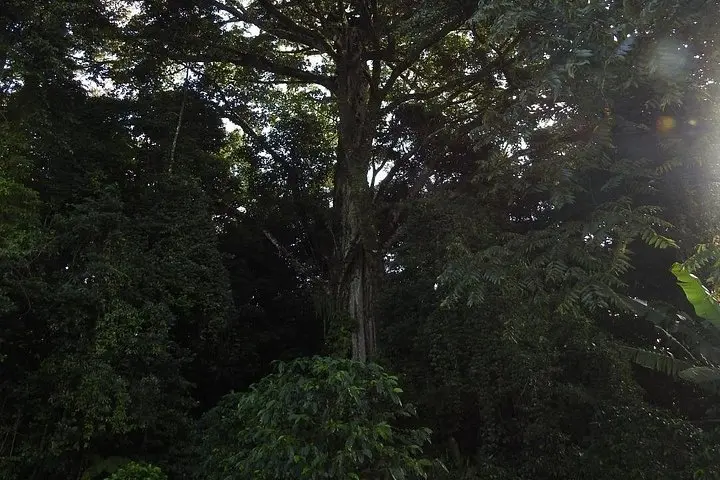
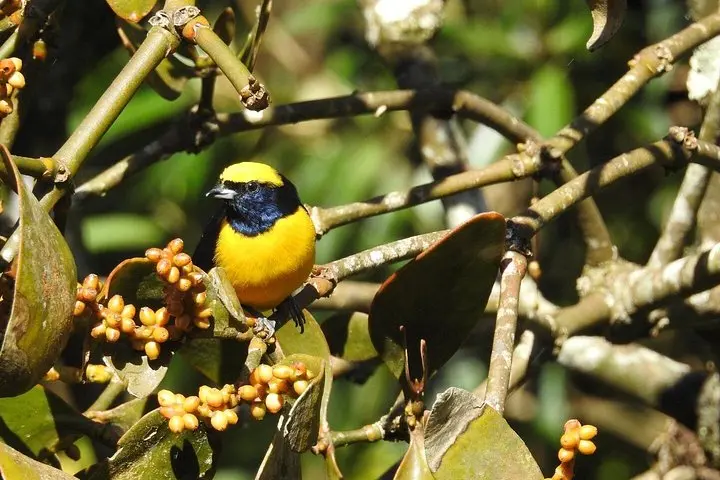
Fog threads through oak and guácimo branches as the group steps onto Curi Cancha’s narrow trails. The forest breathes cool, damp air; every leaf and moss-covered trunk feels alive. Guides angle a spotting scope toward canopy edges and point to a flash of iridescence—an attentive hush follows. This is a natural-history walk built around close observation rather than speed.
Verified experiences and guided adventures in the surrounding area.
Operated by Nasua Tours · Santa Elena, Puntarenas
Fog threads through oak and guácimo branches as the group steps onto Curi Cancha’s narrow trails. The forest breathes cool, damp air; every leaf and moss-covered trunk feels alive. Guides angle a spotting scope toward canopy edges and point to a flash of iridescence—an attentive hush follows. This is a natural-history walk built around close observation rather than speed.
Curi Cancha sits on the slopes of the Tilarán Range, where volcanic uplift and persistent trade-wind moisture create the cloud-forest conditions that define Monteverde. The property was set aside to protect fragmented cloud-forest habitat and now supports orchids, epiphytes, and fruiting avocado trees that drive local animal activity. Culturally, the area grew with settlers and conservationists who shifted local economies toward ecotourism in the late 20th century.
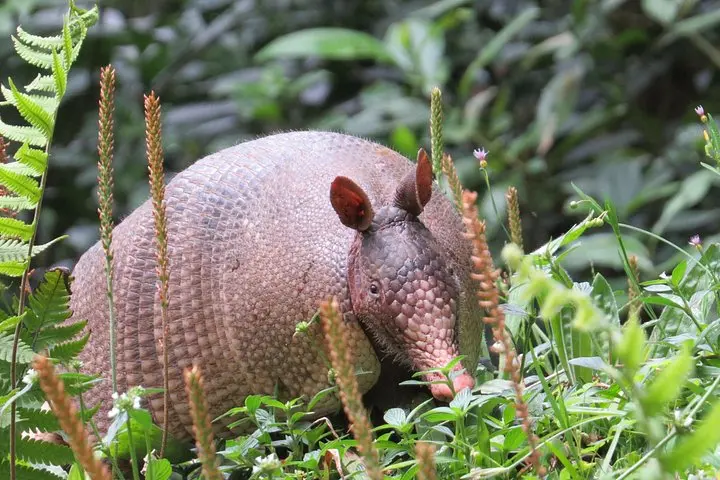
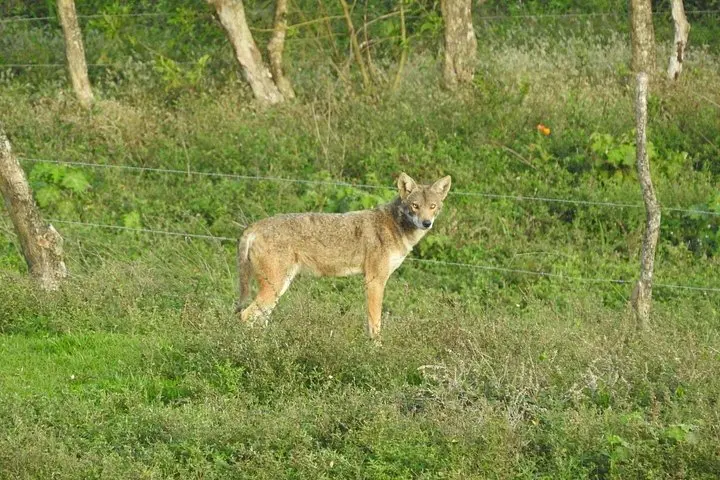
On the walk expect three hours of slow, interpretive hiking over packed-earth trails with some roots and occasional muddy sections. Guides emphasize bird and mammal detection—listen for high-pitched calls, watch fruiting trees, and scan bromeliads for frogs. Photography through the guide’s spotting scope is commonly offered.
Practically: purchase/reserve entry in advance during high season, wear sturdy, grippy footwear and a lightweight rain shell, and bring a refillable water bottle. Morning hikes increase the chance of active birds and mammals; afternoons can be quieter but still rich in plant life. The tour is accessible to most fitness levels, family-friendly, and designed for observation and learning rather than strenuous effort.
The tour is about three hours and is rated easy—trails are slow-paced and designed for observation rather than steep climbing.
The booking notes that admission may not be included; confirm with the operator and be prepared to pay the reserve entrance if needed.
Quetzals and other high-profile species are possible but not guaranteed; guides maximize spotting chances by visiting fruiting trees and quiet canopy edges.
Yes—many families participate; however, trailers and guests with severe mobility limits should check trail conditions with the operator in advance.
Nasua Tours operates guided outdoor trips and adventures with an emphasis on safety, stewardship, and memorable experiences.
Fog threads through oak and guácimo branches as the group steps onto Curi Cancha’s narrow trails. The forest breathes cool, damp air; every leaf and moss-covered trunk feels alive. Guides angle a spotting scope toward canopy edges and point to a flash of iridescence—an attentive hush follows. This is a natural-history walk built around close observation rather than speed.
Fog threads through oak and guácimo branches as the group steps onto Curi Cancha’s narrow trails. The forest breathes cool, damp air; every leaf and moss-covered trunk feels alive. Guides angle a spotting scope toward canopy edges and point to a flash of iridescence—an attentive hush follows. This is a natural-history walk built around close observation rather than speed.
Curi Cancha sits on the slopes of the Tilarán Range, where volcanic uplift and persistent trade-wind moisture create the cloud-forest conditions that define Monteverde. The property was set aside to protect fragmented cloud-forest habitat and now supports orchids, epiphytes, and fruiting avocado trees that drive local animal activity. Culturally, the area grew with settlers and conservationists who shifted local economies toward ecotourism in the late 20th century.
On the walk expect three hours of slow, interpretive hiking over packed-earth trails with some roots and occasional muddy sections. Guides emphasize bird and mammal detection—listen for high-pitched calls, watch fruiting trees, and scan bromeliads for frogs. Photography through the guide’s spotting scope is commonly offered.
Practically: purchase/reserve entry in advance during high season, wear sturdy, grippy footwear and a lightweight rain shell, and bring a refillable water bottle. Morning hikes increase the chance of active birds and mammals; afternoons can be quieter but still rich in plant life. The tour is accessible to most fitness levels, family-friendly, and designed for observation and learning rather than strenuous effort.