THE ADVENTURE COLLECTIVE® · Independent discovery and booking for outdoor travel

Ride a 13‑passenger mini‑bus through the French Quarter, Tremé, Garden District and an iconic above‑ground cemetery on a focused two‑hour tour that combines history, recovery, and local recommendations. Ideal for first‑time visitors who want context before they explore on foot.
Ride a 13‑passenger mini‑bus through the French Quarter, Tremé, Garden District and an iconic above‑ground cemetery on a focused two‑hour tour that combines history, recovery, and local recommendations. Ideal for first‑time visitors who want context before they explore on foot.
The air in New Orleans feels like a slow conversation—thick, warm, and willing to tell a story if you ask. You meet it first outside your hotel as a compact, climate-controlled mini‑bus eases into the curb. Windows frame ironwork balconies and live oak canopies; a guide with easy authority points out a statue, a shotgun house, then steers the conversation toward the French Quarter’s layered past.
Verified experiences and guided adventures in the surrounding area.
Operated by Nawlins Luxury Tours · New Orleans, Louisiana
The air in New Orleans feels like a slow conversation—thick, warm, and willing to tell a story if you ask. You meet it first outside your hotel as a compact, climate-controlled mini‑bus eases into the curb. Windows frame ironwork balconies and live oak canopies; a guide with easy authority points out a statue, a shotgun house, then steers the conversation toward the French Quarter’s layered past.
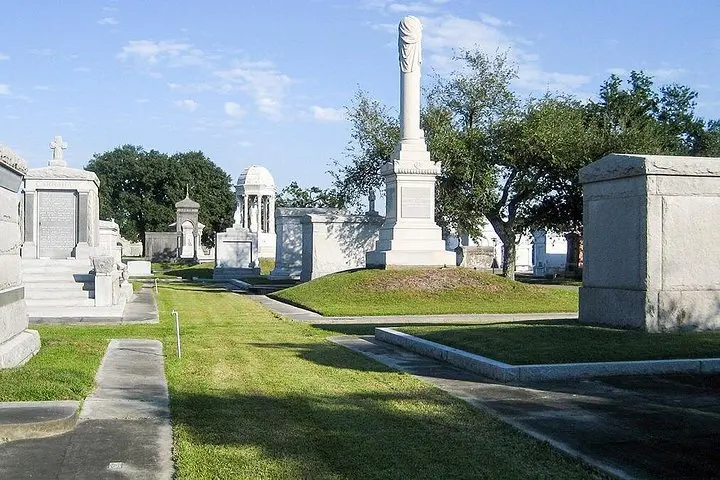
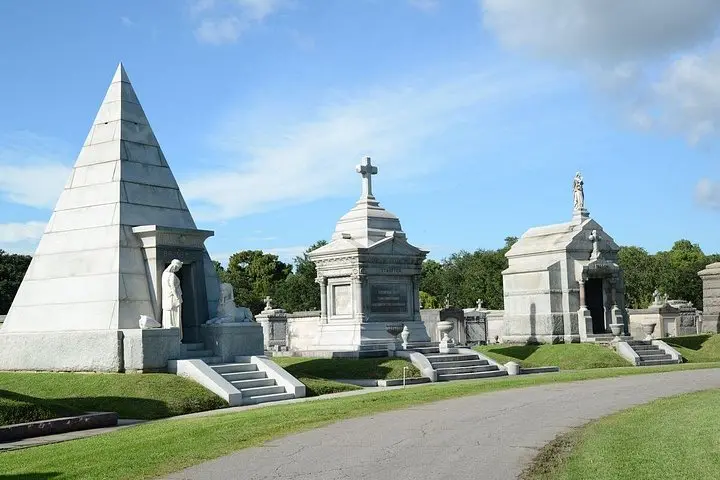
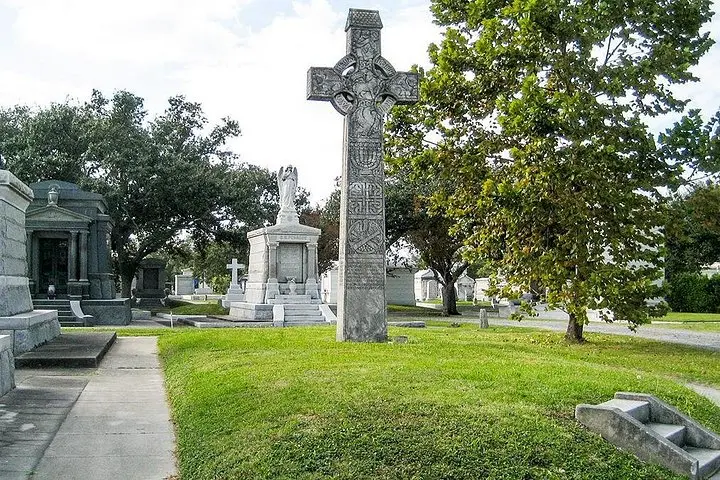
On a two-hour loop through the Crescent City, history and present-day life move at the same pace. The French Quarter rides high on river mud and commerce, Tremé hums with the inventions of jazz and Creole culture, and the Garden District wears antebellum façades like carefully tailored suits. The tour stops at Cemetery No. 3—New Orleans’ sculpted above‑ground tombs where marble and moss tell stories of immigration, epidemics, and the city’s unique relationship with the dead. The guide walks you under archways and explains how a city that floats on water learned to raise its dead.
Geology and infrastructure creep into the narrative: the city’s low elevation, the vast estuary of Lake Pontchartrain, and the levee systems that both protect and have failed. Guides point to the scarred floodwalls and the reborn neighborhoods like Musician’s Village—evidence of recovery and the stubborn pragmatism of residents who rebuilt life around water’s risk.
Culturally the tour is an orientation. You hear about voodoo’s Afro‑Caribbean roots without sensationalism, jazz’s birth in backstreets and Congo Square, and the foodways that mix French, Spanish, African, and Southern practices. It’s practical local knowledge too—where to get a punchy café au lait, which streets are best for evening music, and how to navigate the Quarter’s busy sidewalks.
If you’re planning to go: the trip is best early or late in the day to avoid peak sun and crowds. Wear sturdy shoes for the cemetery walk, bring sunscreen and water, and prepare to sit for a 13‑passenger ride that’s intentionally intimate. Pickup and drop-off at hotels or Airbnbs make logistics simple, and the guides tailor recommendations to your interests—food, architecture, music, or history.
This is less a sightseeing blitz and more a compact primer on New Orleans—two hours that move you through neighborhoods, through loss and revival, and into the practical next steps of exploring the city on foot. Expect pointed storytelling, quiet pauses in shaded cemeteries, and views across a vast, restless lake that keeps reminding you how closely New Orleans lives with water.
The tour runs approximately two hours, including a brief guided walk through Cemetery No. 3.
Yes—hotel and AirBnB pickup and drop-off are provided; allow 30 minutes for pickup windows.
Yes—infants and small children can remain in a pram or stroller; the cemetery walk may require folding strollers on narrow paths.
Admission to Cemetery No. 3 is included in the guided stop; other attractions are viewed from the bus unless specified.
The vehicle is accessible for boarding, but cemetery paths are uneven and may limit mobility; contact the operator for accommodations.
The standard tour is conducted in English; check with the supplier about other language options or private-guide requests.
Nawlins Luxury Tours operates guided outdoor trips and adventures with an emphasis on safety, stewardship, and memorable experiences.
The air in New Orleans feels like a slow conversation—thick, warm, and willing to tell a story if you ask. You meet it first outside your hotel as a compact, climate-controlled mini‑bus eases into the curb. Windows frame ironwork balconies and live oak canopies; a guide with easy authority points out a statue, a shotgun house, then steers the conversation toward the French Quarter’s layered past.
The air in New Orleans feels like a slow conversation—thick, warm, and willing to tell a story if you ask. You meet it first outside your hotel as a compact, climate-controlled mini‑bus eases into the curb. Windows frame ironwork balconies and live oak canopies; a guide with easy authority points out a statue, a shotgun house, then steers the conversation toward the French Quarter’s layered past.
On a two-hour loop through the Crescent City, history and present-day life move at the same pace. The French Quarter rides high on river mud and commerce, Tremé hums with the inventions of jazz and Creole culture, and the Garden District wears antebellum façades like carefully tailored suits. The tour stops at Cemetery No. 3—New Orleans’ sculpted above‑ground tombs where marble and moss tell stories of immigration, epidemics, and the city’s unique relationship with the dead. The guide walks you under archways and explains how a city that floats on water learned to raise its dead.
Geology and infrastructure creep into the narrative: the city’s low elevation, the vast estuary of Lake Pontchartrain, and the levee systems that both protect and have failed. Guides point to the scarred floodwalls and the reborn neighborhoods like Musician’s Village—evidence of recovery and the stubborn pragmatism of residents who rebuilt life around water’s risk.
Culturally the tour is an orientation. You hear about voodoo’s Afro‑Caribbean roots without sensationalism, jazz’s birth in backstreets and Congo Square, and the foodways that mix French, Spanish, African, and Southern practices. It’s practical local knowledge too—where to get a punchy café au lait, which streets are best for evening music, and how to navigate the Quarter’s busy sidewalks.
If you’re planning to go: the trip is best early or late in the day to avoid peak sun and crowds. Wear sturdy shoes for the cemetery walk, bring sunscreen and water, and prepare to sit for a 13‑passenger ride that’s intentionally intimate. Pickup and drop-off at hotels or Airbnbs make logistics simple, and the guides tailor recommendations to your interests—food, architecture, music, or history.
This is less a sightseeing blitz and more a compact primer on New Orleans—two hours that move you through neighborhoods, through loss and revival, and into the practical next steps of exploring the city on foot. Expect pointed storytelling, quiet pauses in shaded cemeteries, and views across a vast, restless lake that keeps reminding you how closely New Orleans lives with water.