THE ADVENTURE COLLECTIVE® · Independent discovery and booking for outdoor travel

Spend a full day exploring two of Nazca’s most compelling archaeological sites: the ceremonial adobe city of Cahuachi and the Chauchilla necropolis with its preserved burials. This grounded tour pairs manageable walking with rich cultural context and clear conservation needs.
Spend a full day exploring two of Nazca’s most compelling archaeological sites: the ceremonial adobe city of Cahuachi and the Chauchilla necropolis with its preserved burials. This grounded tour pairs manageable walking with rich cultural context and clear conservation needs.
Morning light in the Peruvian coastal desert cuts sharp across adobe mounds as the van pulls off the Panamericana. Dust lifts like a slow breath; the bluff of Cahuachi rises ahead, an ancient plaza-block silhouette weathering wind and salt. Walking here feels like following a ritual route — packed earth underfoot, walls that once channeled ceremony now whispering in sun-baked tones.
Verified experiences and guided adventures in the surrounding area.
Operated by TURISMO EN NAZCA · Nazca, Ica
Morning light in the Peruvian coastal desert cuts sharp across adobe mounds as the van pulls off the Panamericana. Dust lifts like a slow breath; the bluff of Cahuachi rises ahead, an ancient plaza-block silhouette weathering wind and salt. Walking here feels like following a ritual route — packed earth underfoot, walls that once channeled ceremony now whispering in sun-baked tones.
Cahuachi was the ceremonial center of the Nazca culture, a sprawling adobe complex where plazas, passageways and ritual mounds concentrated power. Nearby, Chauchilla Necropolis preserves original burials: mummies, textiles and clay offerings exposed by centuries of dry air that acts as an unintentional conservator. Geologically the region is sand and compacted alluvium, shaped by the Humboldt Current offshore and episodic coastal fogs that change the light unexpectedly.
Local culture still measures time against these landscapes: small-market vendors in Nazca sell woven bands and scale replicas of the famous geoglyphs, and guides often point out the continuity between funerary practice and living craft. Conservation is visible — fragile adobe needs staying-off, and looting has led to guarded sections and careful interpretation.
Practical guidance: wear sturdy shoes and a hat; shade is scarce and surfaces are uneven. Bring at least 2 liters of water, cash for small museum or parking fees, and a lightweight layer for morning fog or coastal breeze. Expect moderate walking and short, interpretive stops; photography is generally allowed but respect ropes and posted restrictions. Timing mid-morning reduces heat; afternoons can bring stronger sun and wind. This is an accessible, grounding day that pairs landscape with history and rewards curious, prepared travelers.
This itinerary runs about six hours, including travel between Nazca, Cahuachi and Chauchilla with guided stops.
Admissions are not included in the base description; bring cash as some local sites charge entry separately.
Not recommended for pregnant travelers; children can participate if they can handle moderate walking and desert conditions.
Photography is generally allowed, but obey posted restrictions and avoid flash near textiles or fragile artifacts.
TURISMO EN NAZCA operates guided outdoor trips and adventures with an emphasis on safety, stewardship, and memorable experiences.
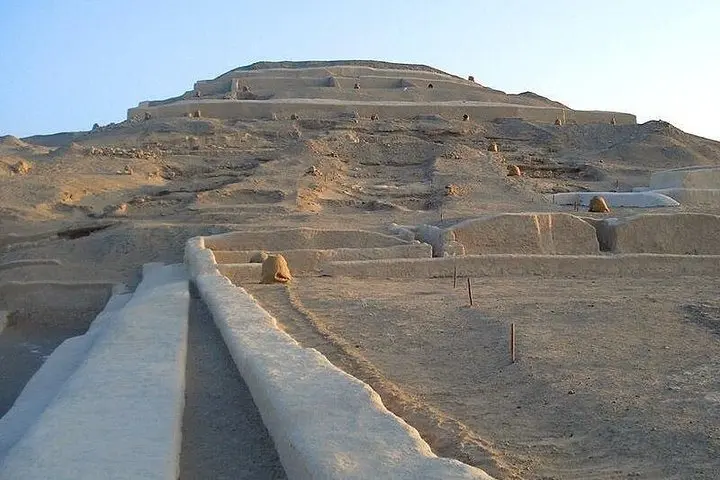
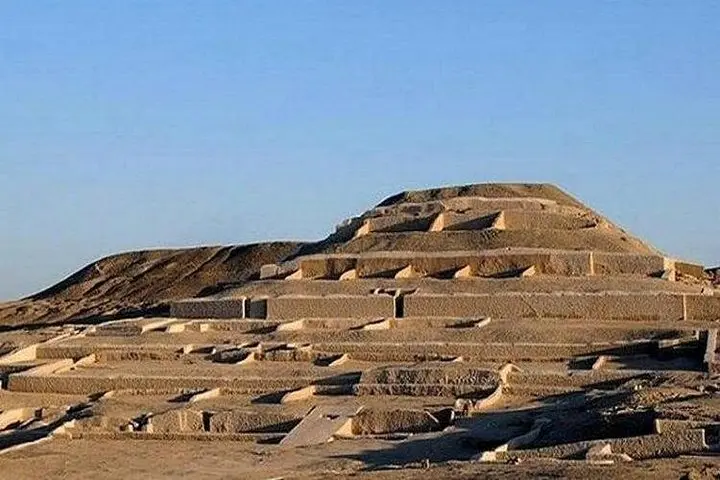
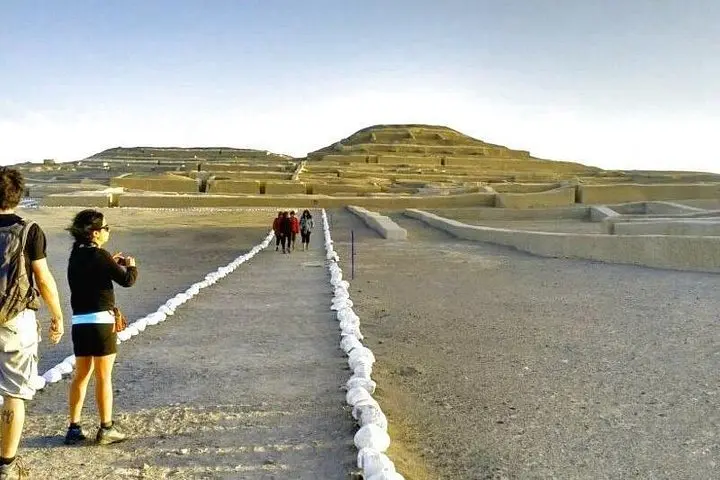
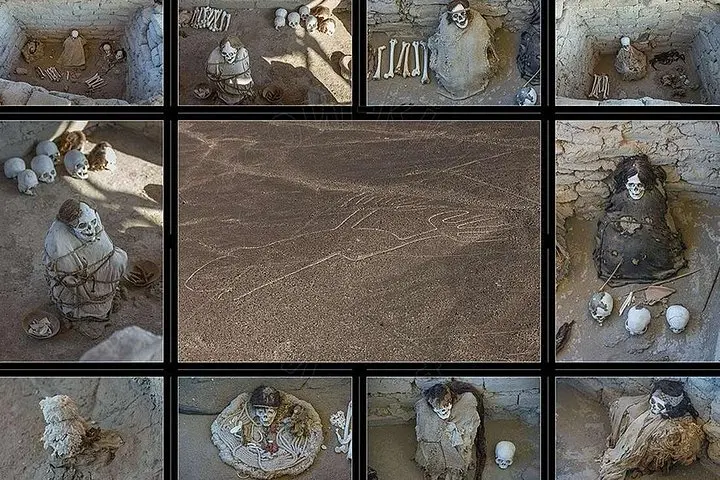
Morning light in the Peruvian coastal desert cuts sharp across adobe mounds as the van pulls off the Panamericana. Dust lifts like a slow breath; the bluff of Cahuachi rises ahead, an ancient plaza-block silhouette weathering wind and salt. Walking here feels like following a ritual route — packed earth underfoot, walls that once channeled ceremony now whispering in sun-baked tones.
Morning light in the Peruvian coastal desert cuts sharp across adobe mounds as the van pulls off the Panamericana. Dust lifts like a slow breath; the bluff of Cahuachi rises ahead, an ancient plaza-block silhouette weathering wind and salt. Walking here feels like following a ritual route — packed earth underfoot, walls that once channeled ceremony now whispering in sun-baked tones.
Cahuachi was the ceremonial center of the Nazca culture, a sprawling adobe complex where plazas, passageways and ritual mounds concentrated power. Nearby, Chauchilla Necropolis preserves original burials: mummies, textiles and clay offerings exposed by centuries of dry air that acts as an unintentional conservator. Geologically the region is sand and compacted alluvium, shaped by the Humboldt Current offshore and episodic coastal fogs that change the light unexpectedly.
Local culture still measures time against these landscapes: small-market vendors in Nazca sell woven bands and scale replicas of the famous geoglyphs, and guides often point out the continuity between funerary practice and living craft. Conservation is visible — fragile adobe needs staying-off, and looting has led to guarded sections and careful interpretation.
Practical guidance: wear sturdy shoes and a hat; shade is scarce and surfaces are uneven. Bring at least 2 liters of water, cash for small museum or parking fees, and a lightweight layer for morning fog or coastal breeze. Expect moderate walking and short, interpretive stops; photography is generally allowed but respect ropes and posted restrictions. Timing mid-morning reduces heat; afternoons can bring stronger sun and wind. This is an accessible, grounding day that pairs landscape with history and rewards curious, prepared travelers.