THE ADVENTURE COLLECTIVE® · Independent discovery and booking for outdoor travel

See Nazca’s ancient geoglyphs from the air, watch sea lions and penguins at the Ballestas, then surf wind-scoured dunes at Huacachina — all in a single long day from Lima. This tour blends boat, plane and buggy with a lot of desert and coastal scenery.
See Nazca’s ancient geoglyphs from the air, watch sea lions and penguins at the Ballestas, then surf wind-scoured dunes at Huacachina — all in a single long day from Lima. This tour blends boat, plane and buggy with a lot of desert and coastal scenery.
Early in the morning the highway slides out of Lima and the city’s traffic loosens; the Pacific lies to the west like a slow-moving mirror while the bus threads the scrub of Ica’s coastal desert. Travelers on this full‑day circuit move by boat, by small aircraft and by sand buggy, switching the rhythm of the day as quickly as the landscape changes — offshore cliffs and sea colonies, then broad desert pampa, then the small green pool of Huacachina among towering dunes.
Verified experiences and guided adventures in the surrounding area.
Operated by Visitemos Perú · Lima, Lima
Early in the morning the highway slides out of Lima and the city’s traffic loosens; the Pacific lies to the west like a slow-moving mirror while the bus threads the scrub of Ica’s coastal desert. Travelers on this full‑day circuit move by boat, by small aircraft and by sand buggy, switching the rhythm of the day as quickly as the landscape changes — offshore cliffs and sea colonies, then broad desert pampa, then the small green pool of Huacachina among towering dunes.
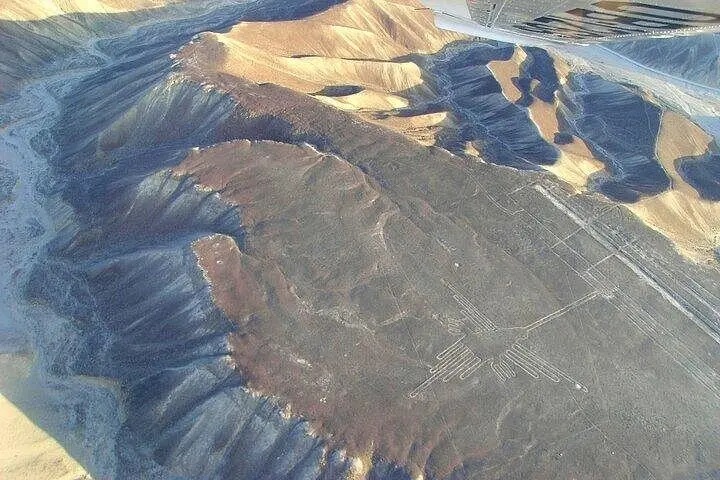
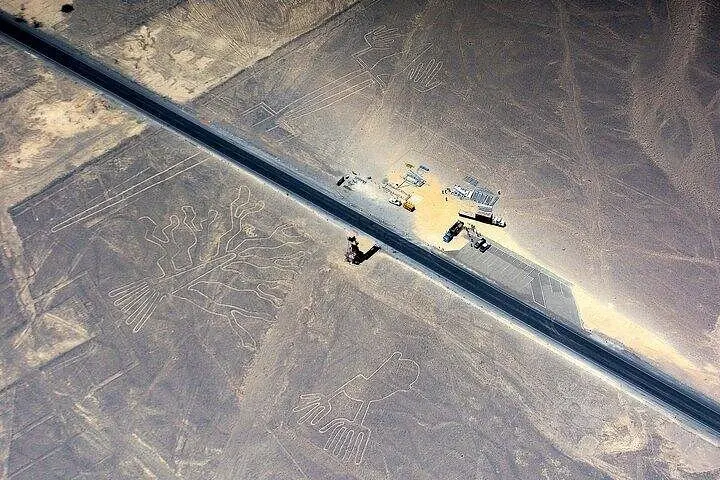
The Nazca Lines are the region’s oldest public artwork: vast geoglyphs etched by the Nazca culture between about 500 BCE and 500 CE, their straight lines and animal figures best read from the air. Geology here is simple and stark — wind-sculpted sand and compacted alluvial plains that made large-scale ground markings possible and preserved them in an arid climate.
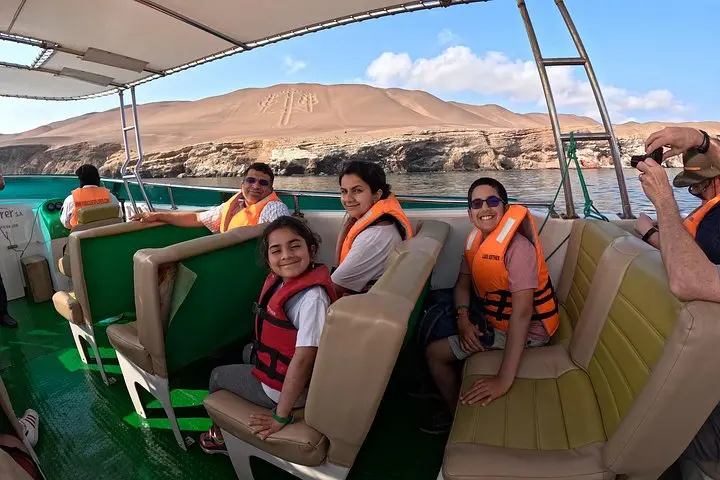
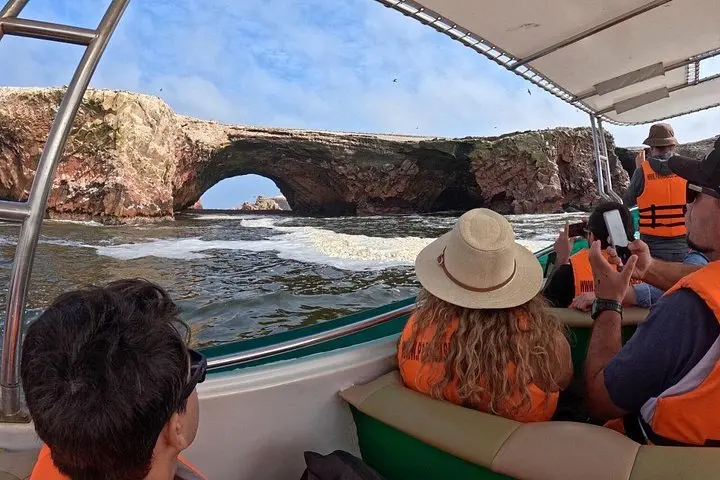
Culturally the route threads working fishing towns, salt flats and irrigated valleys where grape vines and pisco grapes thrive; the Ballestas host Humboldt penguins and noisy sea lions, and the Huacachina lagoon is a local weekend refuge. Practicalities matter: expect a very long day (roughly 18–19 hours total), mandatory passport for the flight, and variable sea conditions that can reroute you to the Paracas Reserve. The overflight uses small Cessna-type aircraft (about 12 seats) and lasts roughly 1 hour 40 minutes in the air; the Ballestas boat tour is about 2 hours, and sand buggy/sandboarding takes an hour around sunset.
Bring sun protection, motion-sickness remedies if you get seasick, closed-toe shoes for dunes, and patience — the itinerary compresses three distinct ecosystems into one intense day.
Yes — the overflight departs from Pisco airport and passports are mandatory for check‑in.
If sea conditions prevent the Ballestas landing, the operator typically substitutes a visit to Paracas National Reserve instead.
Small aircraft have seating and weight limits; the booking asks for passenger weight and people with serious heart or spinal conditions are not recommended.
Most of the day is seated transfers and short guided stops; dune activities involve moderate exertion but are brief and can be skipped on request.
Visitemos Perú operates guided outdoor trips and adventures with an emphasis on safety, stewardship, and memorable experiences.
Early in the morning the highway slides out of Lima and the city’s traffic loosens; the Pacific lies to the west like a slow-moving mirror while the bus threads the scrub of Ica’s coastal desert. Travelers on this full‑day circuit move by boat, by small aircraft and by sand buggy, switching the rhythm of the day as quickly as the landscape changes — offshore cliffs and sea colonies, then broad desert pampa, then the small green pool of Huacachina among towering dunes.
Early in the morning the highway slides out of Lima and the city’s traffic loosens; the Pacific lies to the west like a slow-moving mirror while the bus threads the scrub of Ica’s coastal desert. Travelers on this full‑day circuit move by boat, by small aircraft and by sand buggy, switching the rhythm of the day as quickly as the landscape changes — offshore cliffs and sea colonies, then broad desert pampa, then the small green pool of Huacachina among towering dunes.
The Nazca Lines are the region’s oldest public artwork: vast geoglyphs etched by the Nazca culture between about 500 BCE and 500 CE, their straight lines and animal figures best read from the air. Geology here is simple and stark — wind-sculpted sand and compacted alluvial plains that made large-scale ground markings possible and preserved them in an arid climate.
Culturally the route threads working fishing towns, salt flats and irrigated valleys where grape vines and pisco grapes thrive; the Ballestas host Humboldt penguins and noisy sea lions, and the Huacachina lagoon is a local weekend refuge. Practicalities matter: expect a very long day (roughly 18–19 hours total), mandatory passport for the flight, and variable sea conditions that can reroute you to the Paracas Reserve. The overflight uses small Cessna-type aircraft (about 12 seats) and lasts roughly 1 hour 40 minutes in the air; the Ballestas boat tour is about 2 hours, and sand buggy/sandboarding takes an hour around sunset.
Bring sun protection, motion-sickness remedies if you get seasick, closed-toe shoes for dunes, and patience — the itinerary compresses three distinct ecosystems into one intense day.