THE ADVENTURE COLLECTIVE® · Independent discovery and booking for outdoor travel
Combine a landmark aerial overflight of the Nazca Lines with high-adrenaline dune buggies and sandboarding at Huacachina. This full-day trip from Ica pairs archaeology and desert play with practical logistics for a long, memorable day.
Combine a landmark aerial overflight of the Nazca Lines with high-adrenaline dune buggies and sandboarding at Huacachina. This full-day trip from Ica pairs archaeology and desert play with practical logistics for a long, memorable day.
You lift off from a compact desert airstrip and the earth below rearranges itself into precise, enormous figures: a whale glides across the plain, geometric lines carve the sand like a map from another age. The plane banks gently, the pilot circles each geoglyph so you can read their scale—humans reduced to dots against a landscape that seems to be thinking in straight lines.
Verified experiences and guided adventures in the surrounding area.
Operated by Sam Travel Experiences · Ica, Ica Region
You lift off from a compact desert airstrip and the earth below rearranges itself into precise, enormous figures: a whale glides across the plain, geometric lines carve the sand like a map from another age. The plane banks gently, the pilot circles each geoglyph so you can read their scale—humans reduced to dots against a landscape that seems to be thinking in straight lines.
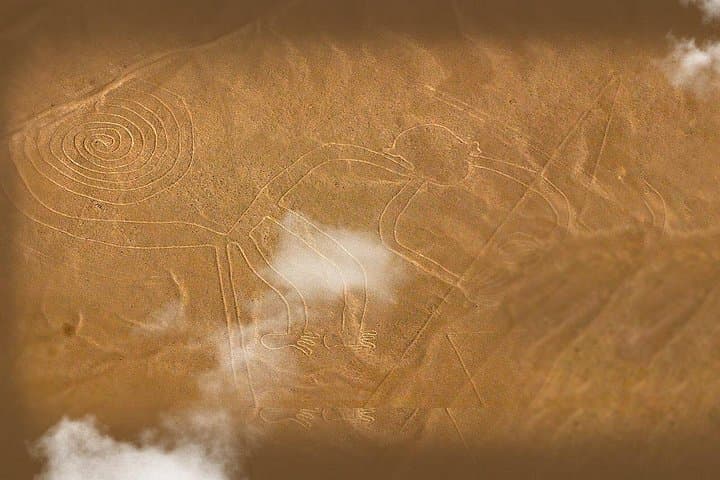
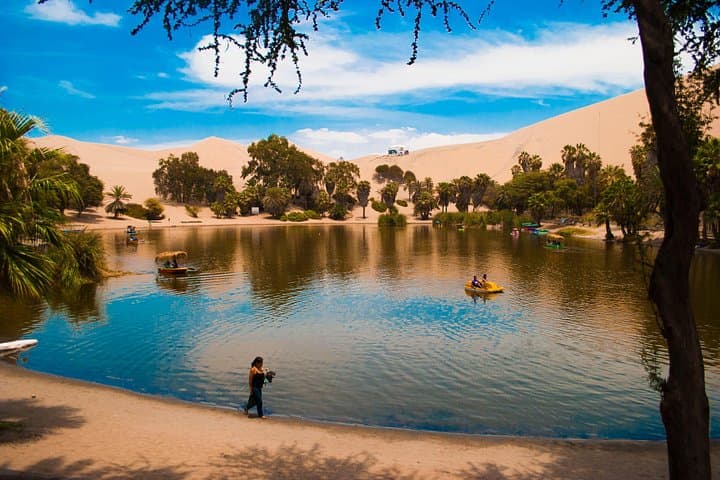
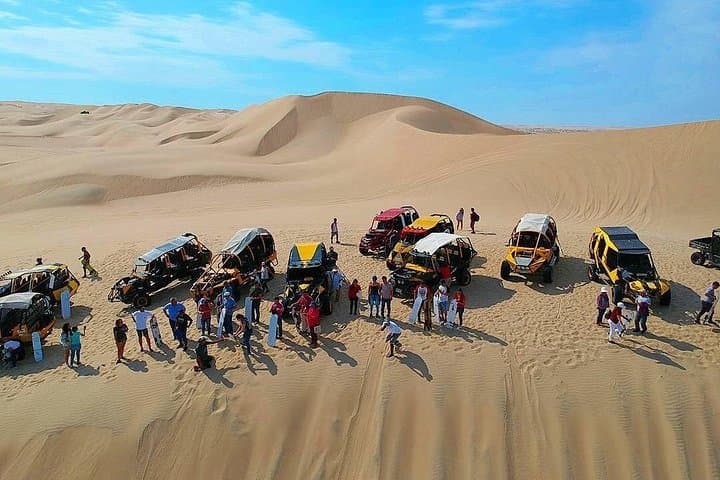
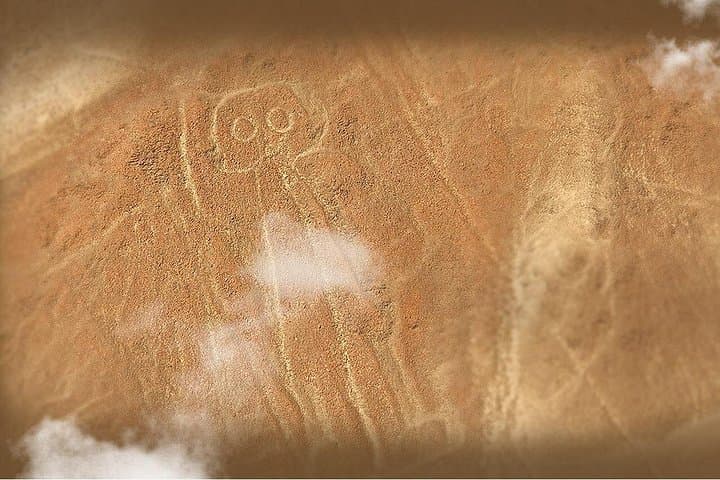
The Nazca Lines, created by pre-Hispanic cultures between 500 BCE and 500 CE, sit on an arid plateau of wind-polished silt and gravel. Geologically stable and wind-swept, the pampas preserve shallow trenches that reveal animal, plant and geometric motifs visible only from above. Later, the day shifts to Huacachina: an emerald lagoon ringed by towering ochre dunes east of Ica. Here the desert moves—dunes hiss and sweep, and sandboarding or a tubular buggy run becomes a kinetic way to read the land.
Expect a long but well-paced day: early pickup in Ica, a roughly 2.5-hour transfer to Nasca for a 30–35 minute flight, then return to Huacachina for dune activities and sunset. Bring your passport for airport checks; small aircraft have weight limits. Physically the trip is accessible, though short, bumpy rides and steep sand slopes reward several levels of fitness.
Practical notes: hydrate before the flight to reduce motion discomfort, wear layers for cool desert mornings and breezy plane cabins, and choose shoes that can handle sand. Timing your visit for clear morning skies improves overflight visibility, while late afternoons offer dramatic light for photos at the oasis.
Yes — a physical passport is mandatory at Nasca airport for check-in and boarding.
The typical overflight lasts about 30–35 minutes and includes multiple circles over major figures.
No — operators supply instruction and boards; beginners can ride seated or standing on gentler slopes.
Yes — small planes enforce weight limits; heavier passengers may incur an extra charge or need distribution adjustments.
Sam Travel Experiences operates guided outdoor trips and adventures with an emphasis on safety, stewardship, and memorable experiences.
You lift off from a compact desert airstrip and the earth below rearranges itself into precise, enormous figures: a whale glides across the plain, geometric lines carve the sand like a map from another age. The plane banks gently, the pilot circles each geoglyph so you can read their scale—humans reduced to dots against a landscape that seems to be thinking in straight lines.
You lift off from a compact desert airstrip and the earth below rearranges itself into precise, enormous figures: a whale glides across the plain, geometric lines carve the sand like a map from another age. The plane banks gently, the pilot circles each geoglyph so you can read their scale—humans reduced to dots against a landscape that seems to be thinking in straight lines.
The Nazca Lines, created by pre-Hispanic cultures between 500 BCE and 500 CE, sit on an arid plateau of wind-polished silt and gravel. Geologically stable and wind-swept, the pampas preserve shallow trenches that reveal animal, plant and geometric motifs visible only from above. Later, the day shifts to Huacachina: an emerald lagoon ringed by towering ochre dunes east of Ica. Here the desert moves—dunes hiss and sweep, and sandboarding or a tubular buggy run becomes a kinetic way to read the land.
Expect a long but well-paced day: early pickup in Ica, a roughly 2.5-hour transfer to Nasca for a 30–35 minute flight, then return to Huacachina for dune activities and sunset. Bring your passport for airport checks; small aircraft have weight limits. Physically the trip is accessible, though short, bumpy rides and steep sand slopes reward several levels of fitness.
Practical notes: hydrate before the flight to reduce motion discomfort, wear layers for cool desert mornings and breezy plane cabins, and choose shoes that can handle sand. Timing your visit for clear morning skies improves overflight visibility, while late afternoons offer dramatic light for photos at the oasis.
