THE ADVENTURE COLLECTIVE® · Independent discovery and booking for outdoor travel

Fly over the prehistoric Nazca Lines and then trade the plane for sand buggies at Huacachina—this long day links desert geoglyphs with dune adrenaline and Peruvian pisco tasting. Read on for timing, safety and what to pack.
Fly over the prehistoric Nazca Lines and then trade the plane for sand buggies at Huacachina—this long day links desert geoglyphs with dune adrenaline and Peruvian pisco tasting. Read on for timing, safety and what to pack.
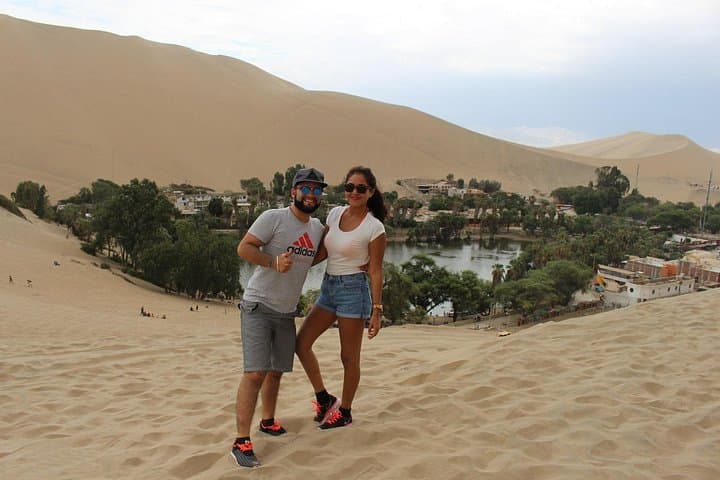
A hot gust pushes sand over the lip of a dune as you step away from the glassy lagoon of Huacachina; minutes later you’re craning your neck over a small plane window to watch ancient lines resolve into a hummingbird and a condor below. This full‑day trip stitches modern Ica’s wine valleys to the vast, dry plain where the Nazca culture drew enormous geoglyphs visible only from the air.
Verified experiences and guided adventures in the surrounding area.
Operated by Viajes Picaflor · Ica, Ica
A hot gust pushes sand over the lip of a dune as you step away from the glassy lagoon of Huacachina; minutes later you’re craning your neck over a small plane window to watch ancient lines resolve into a hummingbird and a condor below. This full‑day trip stitches modern Ica’s wine valleys to the vast, dry plain where the Nazca culture drew enormous geoglyphs visible only from the air.
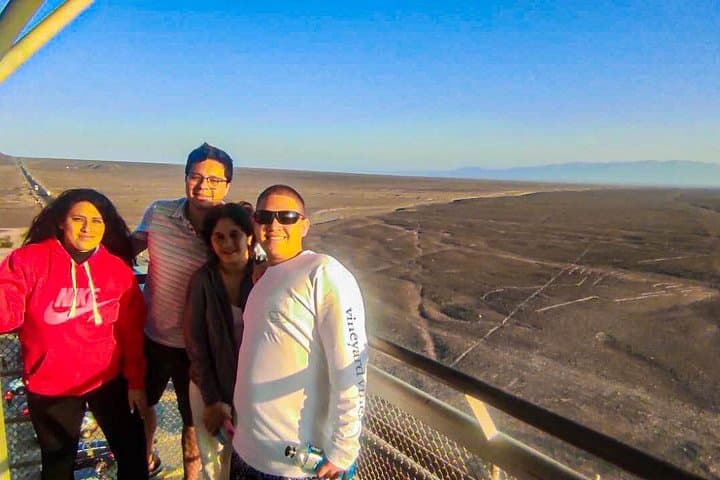
The Nazca Lines date from roughly 500 BCE–500 CE, cut into a coastal desert whose wind, lack of vegetation and iron‑rich soils preserved the contrasts for centuries. Geology here is spare—smooth desert pavements, wind‑polished dunes and alluvial fans draining the Andes—yet human hands left the most memorable marks. At Huacachina you’ll feel another layer of local culture: vintners and pisco makers in the Ica valley have turned irrigated desert into productive farmland and hospitable bodegas.
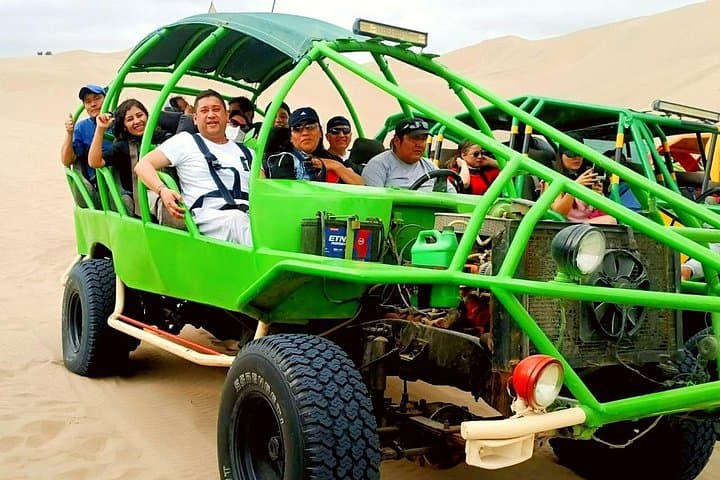
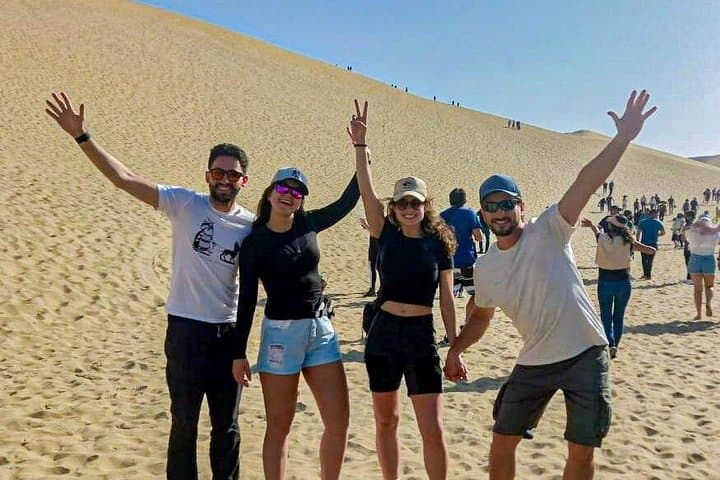
Practically, the day moves in stages: a short orientation and safety briefing at Maria Reiche Airport, a 30–40 minute flyover that traces bird, monkey and tree figures, then a return to Ica for dune rides and optional sandboarding followed by a guided visit and tasting at a pisco bodega. Expect dusty wind, bright sun and quick temperature swings between plane cabin and desert.
Bring hydration, sun protection and a camera with a wide lens; plan for motion sensitivity on the small aircraft; and allow time—this is a long, logistics‑heavy day (12–14 hours) that rewards early starts and sensible footwear.
The overflight segment lasts about 30–40 minutes and is preceded by a short safety briefing and video at the airstrip.
Dune rides and sandboarding are typically optional and may incur an extra fee—confirm at booking and bring appropriate footwear.
Yes—authorized overflights follow regulated routes and maintain safe distances; stick to crew instructions for window use and seatbelts.
Children can join, but infants have to sit on laps during the flight; operators may set age or height restrictions for dune buggies—check when booking.
Viajes Picaflor operates guided outdoor trips and adventures with an emphasis on safety, stewardship, and memorable experiences.
A hot gust pushes sand over the lip of a dune as you step away from the glassy lagoon of Huacachina; minutes later you’re craning your neck over a small plane window to watch ancient lines resolve into a hummingbird and a condor below. This full‑day trip stitches modern Ica’s wine valleys to the vast, dry plain where the Nazca culture drew enormous geoglyphs visible only from the air.
A hot gust pushes sand over the lip of a dune as you step away from the glassy lagoon of Huacachina; minutes later you’re craning your neck over a small plane window to watch ancient lines resolve into a hummingbird and a condor below. This full‑day trip stitches modern Ica’s wine valleys to the vast, dry plain where the Nazca culture drew enormous geoglyphs visible only from the air.
The Nazca Lines date from roughly 500 BCE–500 CE, cut into a coastal desert whose wind, lack of vegetation and iron‑rich soils preserved the contrasts for centuries. Geology here is spare—smooth desert pavements, wind‑polished dunes and alluvial fans draining the Andes—yet human hands left the most memorable marks. At Huacachina you’ll feel another layer of local culture: vintners and pisco makers in the Ica valley have turned irrigated desert into productive farmland and hospitable bodegas.
Practically, the day moves in stages: a short orientation and safety briefing at Maria Reiche Airport, a 30–40 minute flyover that traces bird, monkey and tree figures, then a return to Ica for dune rides and optional sandboarding followed by a guided visit and tasting at a pisco bodega. Expect dusty wind, bright sun and quick temperature swings between plane cabin and desert.
Bring hydration, sun protection and a camera with a wide lens; plan for motion sensitivity on the small aircraft; and allow time—this is a long, logistics‑heavy day (12–14 hours) that rewards early starts and sensible footwear.