THE ADVENTURE COLLECTIVE® · Independent discovery and booking for outdoor travel

See the Nazca Lines from the air and finish the day sandboarding at the Huacachina Oasis. This full‑day private tour pairs a historic overflight with dune buggy thrills and practical tips for a long, sun‑baked day.
See the Nazca Lines from the air and finish the day sandboarding at the Huacachina Oasis. This full‑day private tour pairs a historic overflight with dune buggy thrills and practical tips for a long, sun‑baked day.
Dawn in the Peruvian coastal desert feels like a slow reveal: a small twin‑prop plane noses down a ribbon of runway, then lifts over a bleached plain where giant figures lie flat and patient. From the window the spider, hummingbird and condor resolve from scratches into clear shapes—ancient geometry carved into dust and stone—while hours later the same sun bakes the dunes at Huacachina until they dare you to ride them.
Verified experiences and guided adventures in the surrounding area.
Operated by PERU OVERVIEW travel company · Nazca, Ica
Dawn in the Peruvian coastal desert feels like a slow reveal: a small twin‑prop plane noses down a ribbon of runway, then lifts over a bleached plain where giant figures lie flat and patient. From the window the spider, hummingbird and condor resolve from scratches into clear shapes—ancient geometry carved into dust and stone—while hours later the same sun bakes the dunes at Huacachina until they dare you to ride them.
The Nazca Lines were created by the Nazca culture between roughly 500 BCE and 500 CE and are preserved by extreme aridity and stable soils; UNESCO protects the site for its archaeological and scientific value. Geologically the lines sit on pampas of wind‑blown sediments that keep the etchings crisp. Culturally, local communities around Ica and Nazca trade stories of ritual processions and water veneration—explanations still debated by archaeologists.
Practically, expect a long day: early pickup from Lima (around 4:00 AM), ground transfer to Nazca, a 30‑minute overflight from Nazca Airport, then a late‑afternoon stop at Huacachina for dune buggy rides and sandboarding before returning to Lima. Bring motion‑sickness remedies for the flight, sun protection for the open desert, and a light layer for early morning chills. Flights have weight and safety limits; book with accurate passenger data. Photographers should pack fast lenses and polarizers; athletes should wear closed shoes for dune runs.
This is a full‑day blend of aerial archaeology and high‑adrenaline sand play—short on hiking effort but long on travel time and sensory payoff.
Overflights are typically 25–35 minutes and follow a pattern that passes the major geoglyphs (hummingbird, monkey, spider, dog); visibility depends on weather and flight path.
Children can participate but the flight can be noisy and bumpy; it is not recommended for people with serious spinal or cardiovascular issues—consult your doctor first.
Yes—booking requires passport details for airport procedures and accurate body weight for aircraft safety and manifest requirements.
No—swimming is not recommended; the lagoon is shallow and used for aesthetics and local wildlife rather than bathing.
PERU OVERVIEW travel company operates guided outdoor trips and adventures with an emphasis on safety, stewardship, and memorable experiences.
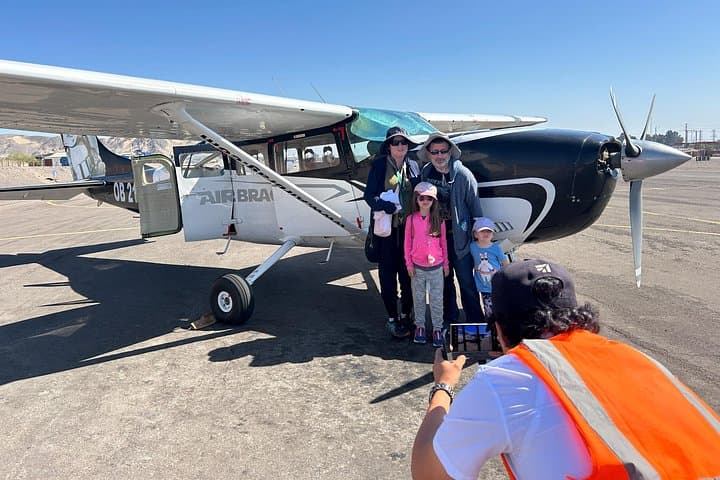
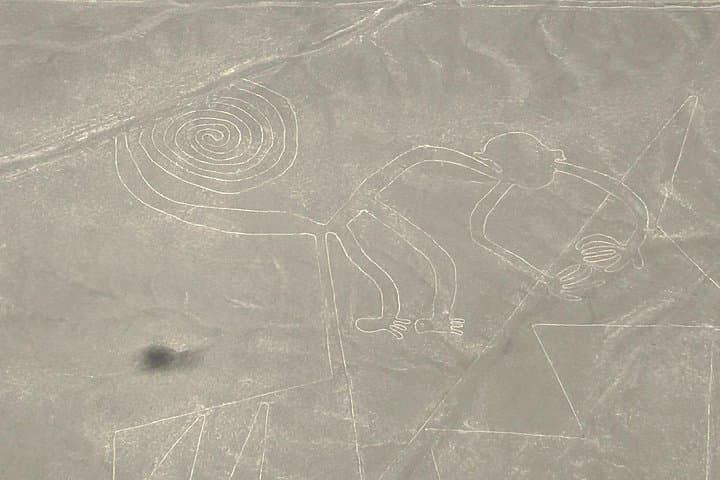
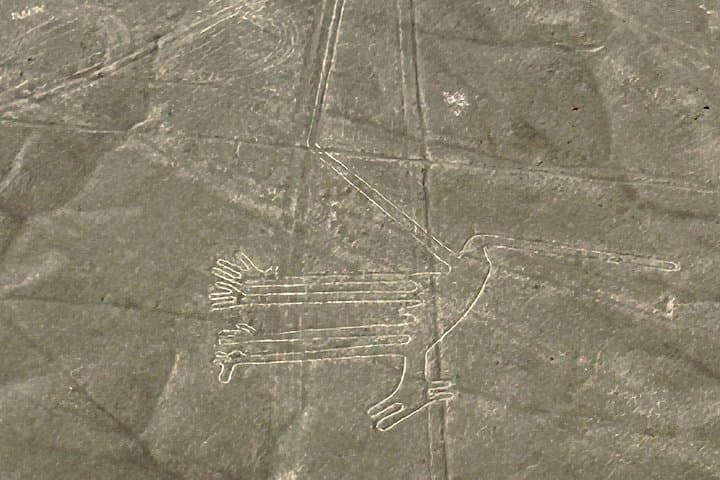
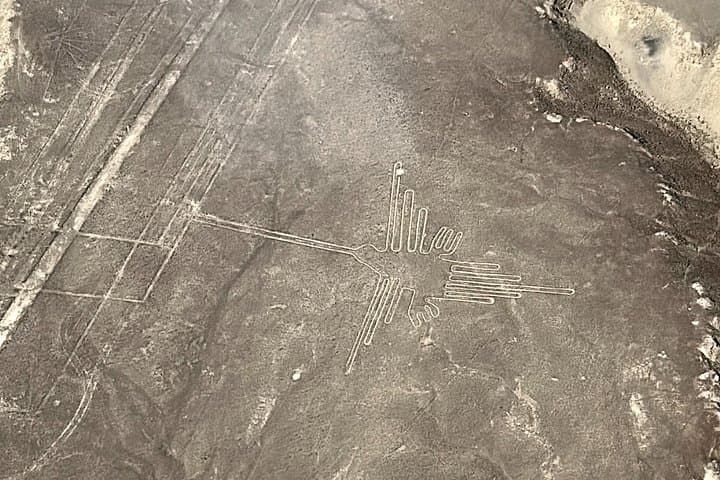
Dawn in the Peruvian coastal desert feels like a slow reveal: a small twin‑prop plane noses down a ribbon of runway, then lifts over a bleached plain where giant figures lie flat and patient. From the window the spider, hummingbird and condor resolve from scratches into clear shapes—ancient geometry carved into dust and stone—while hours later the same sun bakes the dunes at Huacachina until they dare you to ride them.
Dawn in the Peruvian coastal desert feels like a slow reveal: a small twin‑prop plane noses down a ribbon of runway, then lifts over a bleached plain where giant figures lie flat and patient. From the window the spider, hummingbird and condor resolve from scratches into clear shapes—ancient geometry carved into dust and stone—while hours later the same sun bakes the dunes at Huacachina until they dare you to ride them.
The Nazca Lines were created by the Nazca culture between roughly 500 BCE and 500 CE and are preserved by extreme aridity and stable soils; UNESCO protects the site for its archaeological and scientific value. Geologically the lines sit on pampas of wind‑blown sediments that keep the etchings crisp. Culturally, local communities around Ica and Nazca trade stories of ritual processions and water veneration—explanations still debated by archaeologists.
Practically, expect a long day: early pickup from Lima (around 4:00 AM), ground transfer to Nazca, a 30‑minute overflight from Nazca Airport, then a late‑afternoon stop at Huacachina for dune buggy rides and sandboarding before returning to Lima. Bring motion‑sickness remedies for the flight, sun protection for the open desert, and a light layer for early morning chills. Flights have weight and safety limits; book with accurate passenger data. Photographers should pack fast lenses and polarizers; athletes should wear closed shoes for dune runs.
This is a full‑day blend of aerial archaeology and high‑adrenaline sand play—short on hiking effort but long on travel time and sensory payoff.