THE ADVENTURE COLLECTIVE® · Independent discovery and booking for outdoor travel

See the Nazca Lines from a small aircraft for an immediate, aerial perspective on the hummingbird, spider and monkey geoglyphs. This 30‑minute overflight combines archaeological context with practical tips for getting the best views and photos.
See the Nazca Lines from a small aircraft for an immediate, aerial perspective on the hummingbird, spider and monkey geoglyphs. This 30‑minute overflight combines archaeological context with practical tips for getting the best views and photos.
The engine's low rumble becomes a part of the landscape as the airplane lifts off from the Nazca aerodrome and the desert opens beneath you like a map folded flat. From the small cabin, rows of wind-swept lines and full-figure geoglyphs resolve into deliberate shapes—the hummingbird tilting its beak, the spider's spindly legs, the whimsical monkey—each cut clean into the ochre plain.
Verified experiences and guided adventures in the surrounding area.
Operated by Viajeros Club · Nazca, Ica
The engine's low rumble becomes a part of the landscape as the airplane lifts off from the Nazca aerodrome and the desert opens beneath you like a map folded flat. From the small cabin, rows of wind-swept lines and full-figure geoglyphs resolve into deliberate shapes—the hummingbird tilting its beak, the spider's spindly legs, the whimsical monkey—each cut clean into the ochre plain.
These figures were carved by the Nazca culture between roughly 200 BCE and 600 CE, their meaning debated by archaeologists for a century. The geology is simple and stark: a protective dark surface layer of oxidized gravel removed to reveal lighter subsoil, producing lines that have survived because this coastal plateau is one of the driest places on Earth. Local guides and the legacy of researchers like María Reiche inform the flight narration, linking pre-Columbian ritual landscapes with modern efforts to preserve them.
Practically, the full airport process runs about two hours for a 30-minute overflight. Seats are windowed in two rows—expect to lean, rotate, and trade viewing time. Bring sunglasses, a light wind layer, and anti-nausea measures if you're flight-sensitive; the pilot will bank deliberately to show both sides of figures.
Timing matters: morning flights have crisper light and steadier air; late afternoons produce longer shadows but occasionally bumpier conditions. Photography from small aircraft favors a fast shutter and a willingness to accept some vibration. Respect the strict no-walking rules on the plateau—these lines depend on minimal human impact. The overflight is brief but visceral: a clear, airborne encounter with a human past written at landscape scale.
The overflight portion lasts about 25–35 minutes; the total airport and transfer process typically takes around two hours.
Infants must sit on laps; flights are not recommended for pregnant travelers or those with significant heart problems—check provider restrictions before booking.
No—walking on the Nazca plateau is prohibited in most areas to protect the geoglyphs; viewing is primarily by air or from designated observation towers.
Morning flights are generally steadier with cleaner light; afternoon flights offer longer shadows but can be slightly bumpier.
Viajeros Club operates guided outdoor trips and adventures with an emphasis on safety, stewardship, and memorable experiences.
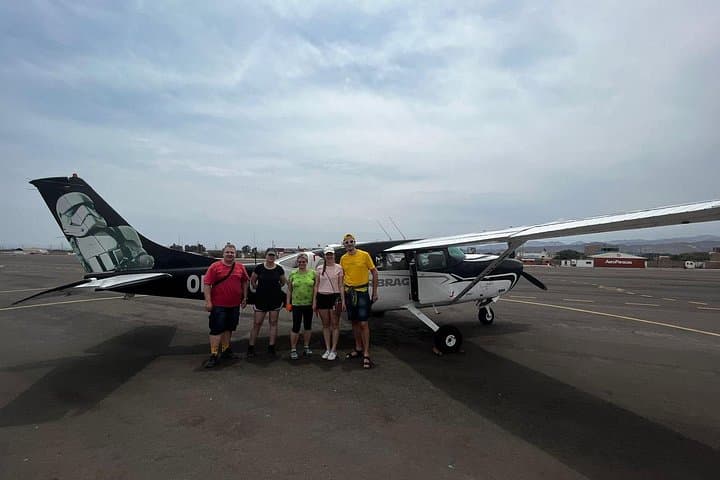
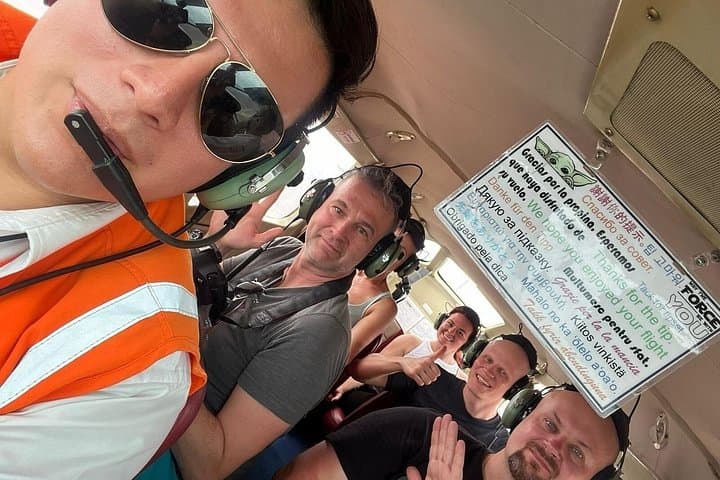
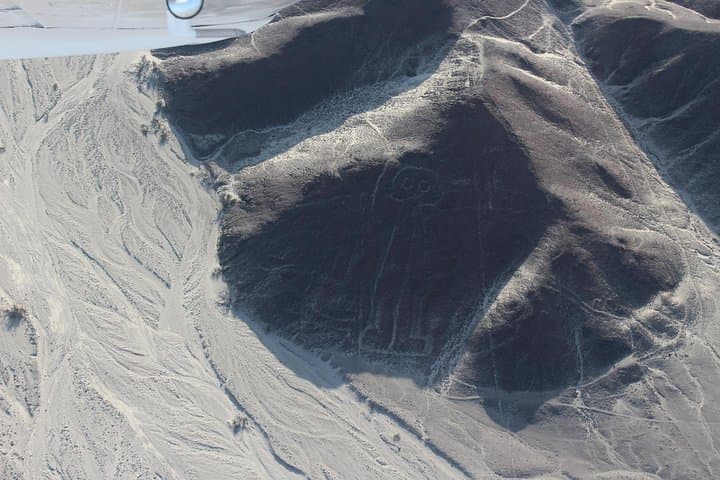
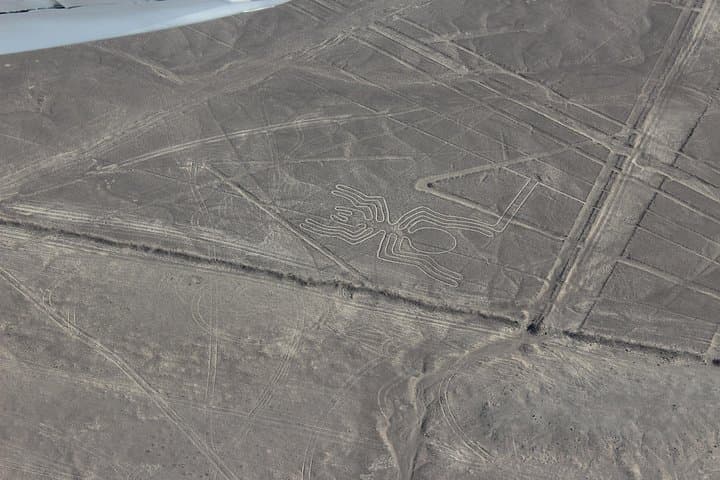
The engine's low rumble becomes a part of the landscape as the airplane lifts off from the Nazca aerodrome and the desert opens beneath you like a map folded flat. From the small cabin, rows of wind-swept lines and full-figure geoglyphs resolve into deliberate shapes—the hummingbird tilting its beak, the spider's spindly legs, the whimsical monkey—each cut clean into the ochre plain.
The engine's low rumble becomes a part of the landscape as the airplane lifts off from the Nazca aerodrome and the desert opens beneath you like a map folded flat. From the small cabin, rows of wind-swept lines and full-figure geoglyphs resolve into deliberate shapes—the hummingbird tilting its beak, the spider's spindly legs, the whimsical monkey—each cut clean into the ochre plain.
These figures were carved by the Nazca culture between roughly 200 BCE and 600 CE, their meaning debated by archaeologists for a century. The geology is simple and stark: a protective dark surface layer of oxidized gravel removed to reveal lighter subsoil, producing lines that have survived because this coastal plateau is one of the driest places on Earth. Local guides and the legacy of researchers like María Reiche inform the flight narration, linking pre-Columbian ritual landscapes with modern efforts to preserve them.
Practically, the full airport process runs about two hours for a 30-minute overflight. Seats are windowed in two rows—expect to lean, rotate, and trade viewing time. Bring sunglasses, a light wind layer, and anti-nausea measures if you're flight-sensitive; the pilot will bank deliberately to show both sides of figures.
Timing matters: morning flights have crisper light and steadier air; late afternoons produce longer shadows but occasionally bumpier conditions. Photography from small aircraft favors a fast shutter and a willingness to accept some vibration. Respect the strict no-walking rules on the plateau—these lines depend on minimal human impact. The overflight is brief but visceral: a clear, airborne encounter with a human past written at landscape scale.