THE ADVENTURE COLLECTIVE® · Independent discovery and booking for outdoor travel

Witness the Serengeti’s most dramatic wildlife event on a private 6‑day safari from Arusha to the Ndutu plains. Expect intense game drives, calving herds, and a crater descent into one of Africa’s richest wildlife bowls.
Witness the Serengeti’s most dramatic wildlife event on a private 6‑day safari from Arusha to the Ndutu plains. Expect intense game drives, calving herds, and a crater descent into one of Africa’s richest wildlife bowls.
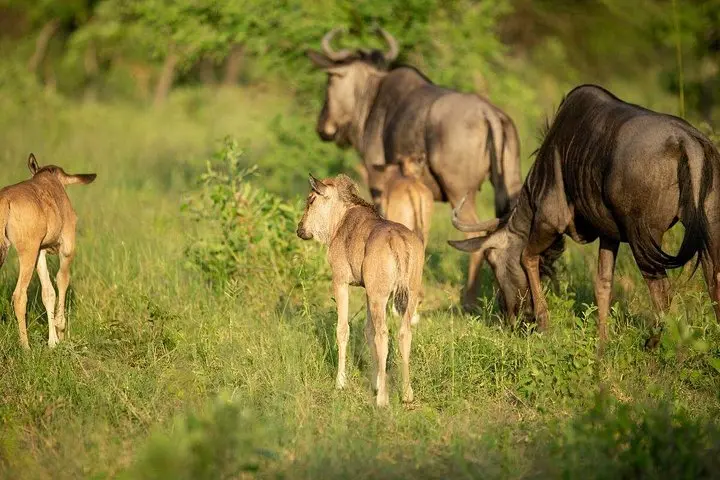
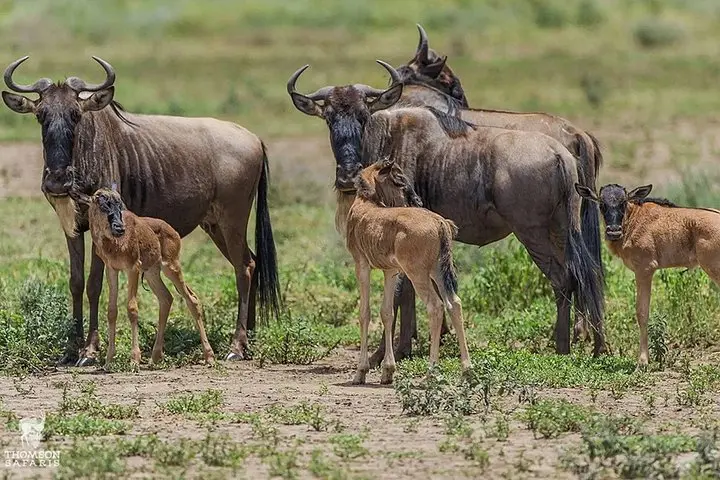
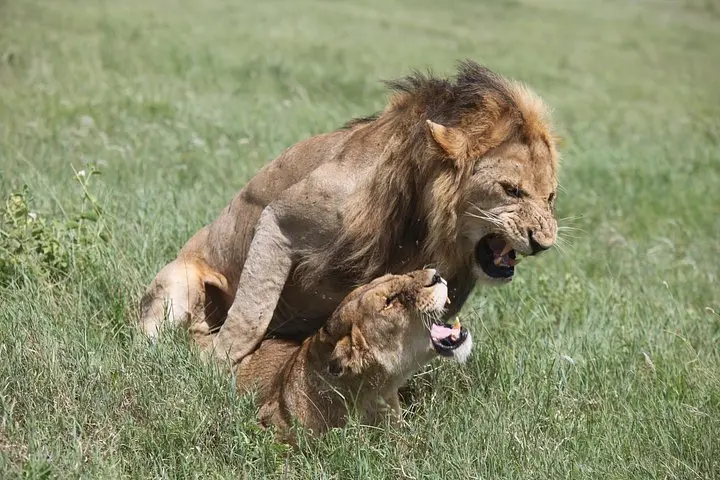
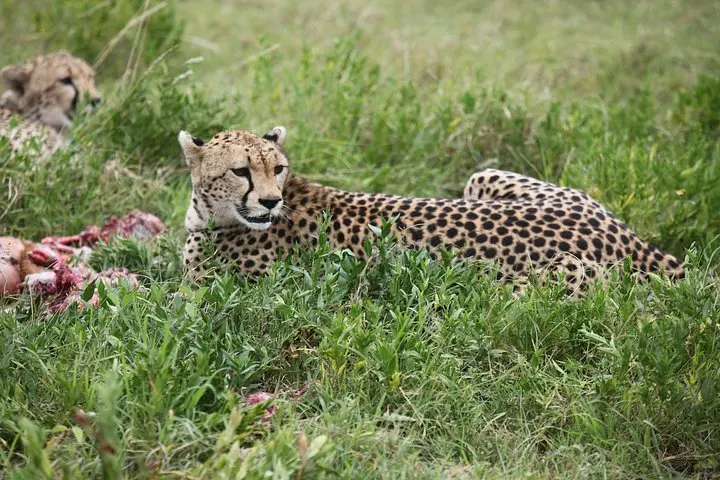
Dawn breaks over flat grassland and the air fills with the soft, urgent noise of a plains that is birthing itself anew. You sit in an open-top 4x4 as a river of wildebeest and zebra moves across the Ndutu plains; calves wobble to their feet while lions and hyenas watch with patient intent.
Verified experiences and guided adventures in the surrounding area.
Operated by Termite Tour Travel · Arusha, Arusha Region
Dawn breaks over flat grassland and the air fills with the soft, urgent noise of a plains that is birthing itself anew. You sit in an open-top 4x4 as a river of wildebeest and zebra moves across the Ndutu plains; calves wobble to their feet while lions and hyenas watch with patient intent.
This six-day private safari threads Arusha, Tarangire, Ndutu and the Ngorongoro Crater. The Ndutu area—on the southern Serengeti and within the Ngorongoro Conservation Area—has long been central to the Great Migration, with the calving pulse peaking between December and March. Geologically the landscape is a sweep of volcanic soils and shallow dambos that feed seasonal grasses; culturally, Maasai and Hadzabe communities live on the edges of these ecosystems and maintain pastoral traditions that have coexisted with wildlife for generations.
Expect long game drives timed to golden hours, picnic lunches on the plains, and simple lodges or tented camps near viewing areas. Guides focus on tracking migration corridors and predator-prey interactions while minimizing disturbance.
Practical notes: bring neutral clothing, a good pair of binoculars, sun protection and a small day pack for game-drive comforts. Vehicle transfers are long—Arusha to Ndutu is several hours—so plan for motion comfort and battery power for cameras. The crater descent on day five drops about 600 meters and delivers concentrated sightings of the Big Five, but roads can be bumpy and weather variable. Book for December–March to maximize calving encounters; otherwise sightings are possible year-round but less predictable.
December through March is the core calving window in the Ndutu area, with peak births often in January and February.
Drives typically run several hours in the morning and afternoon; one full-day drive with a picnic is included during the itinerary.
The tour includes stays in a mix of comfortable lodges and tented camps near Ndutu and in Arusha; expect modest luxury focused on wildlife access.
Check routine travel vaccinations and malaria prophylaxis with a travel clinic; park entrance and conservation fees are included in the tour price.
Termite Tour Travel operates guided outdoor trips and adventures with an emphasis on safety, stewardship, and memorable experiences.
Dawn breaks over flat grassland and the air fills with the soft, urgent noise of a plains that is birthing itself anew. You sit in an open-top 4x4 as a river of wildebeest and zebra moves across the Ndutu plains; calves wobble to their feet while lions and hyenas watch with patient intent.
Dawn breaks over flat grassland and the air fills with the soft, urgent noise of a plains that is birthing itself anew. You sit in an open-top 4x4 as a river of wildebeest and zebra moves across the Ndutu plains; calves wobble to their feet while lions and hyenas watch with patient intent.
This six-day private safari threads Arusha, Tarangire, Ndutu and the Ngorongoro Crater. The Ndutu area—on the southern Serengeti and within the Ngorongoro Conservation Area—has long been central to the Great Migration, with the calving pulse peaking between December and March. Geologically the landscape is a sweep of volcanic soils and shallow dambos that feed seasonal grasses; culturally, Maasai and Hadzabe communities live on the edges of these ecosystems and maintain pastoral traditions that have coexisted with wildlife for generations.
Expect long game drives timed to golden hours, picnic lunches on the plains, and simple lodges or tented camps near viewing areas. Guides focus on tracking migration corridors and predator-prey interactions while minimizing disturbance.
Practical notes: bring neutral clothing, a good pair of binoculars, sun protection and a small day pack for game-drive comforts. Vehicle transfers are long—Arusha to Ndutu is several hours—so plan for motion comfort and battery power for cameras. The crater descent on day five drops about 600 meters and delivers concentrated sightings of the Big Five, but roads can be bumpy and weather variable. Book for December–March to maximize calving encounters; otherwise sightings are possible year-round but less predictable.