THE ADVENTURE COLLECTIVE® · Independent discovery and booking for outdoor travel

Follow the wildebeest through Tarangire, Serengeti and Ndutu on an 8-day luxury safari that blends intense wildlife encounters with comfortable lodges. Read practical travel tips, seasonal timing, and what to pack.
Follow the wildebeest through Tarangire, Serengeti and Ndutu on an 8-day luxury safari that blends intense wildlife encounters with comfortable lodges. Read practical travel tips, seasonal timing, and what to pack.
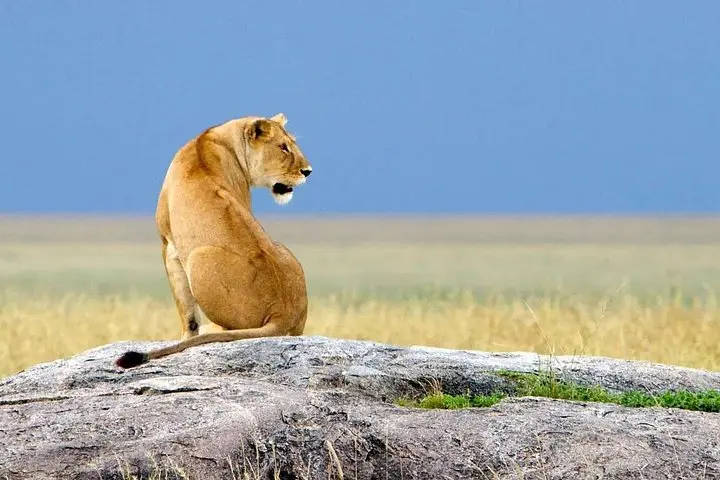
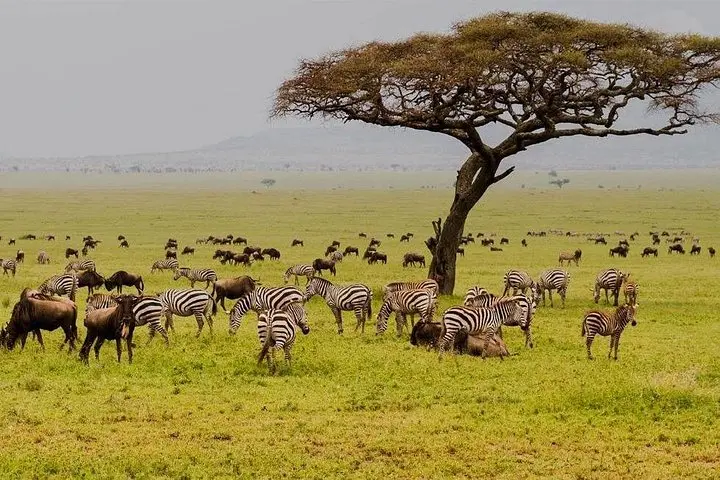
Dawn stretches across the Ndutu plains and the engine hum of a 4x4 becomes part of the landscape — dust rising as a line of wildebeest threads toward a seasonal lake. You feel the scale here: open savanna, low kopjes, and the occasional baobab throwing a long shadow as guides scan the horizon for predators.
Verified experiences and guided adventures in the surrounding area.
Operated by NATOKA AFRICA SAFARI · Ndutu (Ngorongoro Conservation Area), Arusha Region
Dawn stretches across the Ndutu plains and the engine hum of a 4x4 becomes part of the landscape — dust rising as a line of wildebeest threads toward a seasonal lake. You feel the scale here: open savanna, low kopjes, and the occasional baobab throwing a long shadow as guides scan the horizon for predators.
This route traces parts of the Northern Tanzania circuit — Tarangire’s baobab-studded floodplains, the wide-open Serengeti, the calving grounds of Ndutu, and the volcanic bowl of Ngorongoro. Geologically the region is carved by the East African Rift; Ngorongoro itself is a 610-meter-deep crater formed by an ancient collapse, now a fertile bowl sustaining high densities of wildlife. Culturally, Maasai pastoralism and conservation policies have shaped land use here; many lodges work with local communities on employment and anti-poaching efforts.
Practically, expect long but rewarding drives between parks, early-morning and late-afternoon game drives when predators and plains herbivores are most active, and comfortable lodge accommodations included on this itinerary. The Ndutu area is best during the calving season (Dec–Mar) for close predator-prey dynamics, while the dry season (Jun–Oct) concentrates animals around water for easy viewing.
Bring quality binoculars, neutral-colored layers, sun protection and malaria precautions. Roads can be rough and rain makes tracks sticky; flexible timing and patience pay off. Guides are experienced at positioning vehicles for ethical viewing: keep distance from resting predators, minimize noise, and let the landscape decide the pace. This is a safari built for proximity and perspective — raw, carefully managed, and unforgettable.
Ndutu is known for calving season from December to March; timing can vary by year but those months offer concentrated herds and active predators.
According to the itinerary, park fees are included as part of the package, along with accommodations and most meals listed.
Consult a travel clinic; malaria is present in parts of Tanzania and many travelers take prophylaxis—vaccinations like yellow fever may be required depending on origin.
Generally no; walking outside the vehicle is restricted in most national parks for safety and conservation—follow your guide’s instructions.
NATOKA AFRICA SAFARI operates guided outdoor trips and adventures with an emphasis on safety, stewardship, and memorable experiences.
Dawn stretches across the Ndutu plains and the engine hum of a 4x4 becomes part of the landscape — dust rising as a line of wildebeest threads toward a seasonal lake. You feel the scale here: open savanna, low kopjes, and the occasional baobab throwing a long shadow as guides scan the horizon for predators.
Dawn stretches across the Ndutu plains and the engine hum of a 4x4 becomes part of the landscape — dust rising as a line of wildebeest threads toward a seasonal lake. You feel the scale here: open savanna, low kopjes, and the occasional baobab throwing a long shadow as guides scan the horizon for predators.
This route traces parts of the Northern Tanzania circuit — Tarangire’s baobab-studded floodplains, the wide-open Serengeti, the calving grounds of Ndutu, and the volcanic bowl of Ngorongoro. Geologically the region is carved by the East African Rift; Ngorongoro itself is a 610-meter-deep crater formed by an ancient collapse, now a fertile bowl sustaining high densities of wildlife. Culturally, Maasai pastoralism and conservation policies have shaped land use here; many lodges work with local communities on employment and anti-poaching efforts.
Practically, expect long but rewarding drives between parks, early-morning and late-afternoon game drives when predators and plains herbivores are most active, and comfortable lodge accommodations included on this itinerary. The Ndutu area is best during the calving season (Dec–Mar) for close predator-prey dynamics, while the dry season (Jun–Oct) concentrates animals around water for easy viewing.
Bring quality binoculars, neutral-colored layers, sun protection and malaria precautions. Roads can be rough and rain makes tracks sticky; flexible timing and patience pay off. Guides are experienced at positioning vehicles for ethical viewing: keep distance from resting predators, minimize noise, and let the landscape decide the pace. This is a safari built for proximity and perspective — raw, carefully managed, and unforgettable.